Search Best Friends Network
460 results for


Caring for and protecting companion animals involves strong emotions. Understanding how we feel and harnessing our feelings for productive solutions, recognizing and respecting how others feel so that we can bring them along is equally as important as we navigate lifesaving change across the nation.


Since 2017, the partnership between The Rachael Ray Foundation and Best Friends has supported Best Friends Network Partners through millions of dollars in grants to help reduce shelter deaths in communities across the country.


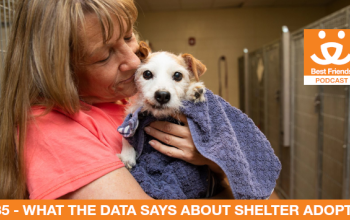
The Best Friends 2021 Lifesaving Dataset showed that over the last year, adoptions did not keep pace with the increase in the number of cats and dogs entering shelters. Unfortunately, that trend has continued into 2022, and with many around the country experiencing the same issues, transports are happening less frequently, adding to the strain on animal shelters.


When saving shelter pets' lives, you can't know what's working or not if you're not tracking your efforts. So in 2016, Best Friends began an ambitious project to create the most comprehensive and accurate dataset tracking the lifesaving efforts happening in shelters across America.


Neonatal kittens are one of the most vulnerable populations in animal shelters. The resources necessary to save them haven’t always been available but that has changed over the last few years. An ever-growing, committed group of volunteers has offered a lifeline to newborn kittens. Hannah Shaw amassed a huge audience which she uses to educate the world on the plight of orphaned kittens. Her beautifully produced educational content is teaching countless people how to save them.


When Helping Hands Humane Society in Topeka, Kansas, tested their fears of fee-waived adoptions, they found their worries didn't stand up to the data.


The human-animal bond transcends all, regardless of where someone lives, their race, or how much they have in their bank account - pet ownership is for everyone. It’s a concept that is gaining more and more acceptance across animal welfare, and it has brought new approaches to keep people and pets together to the forefront.


Animal service officers historically have been trained to function as code enforcement officers, and in many communities that is still the case. While this training is integral, it is not always a holistic representation or acknowledgment of all the tools officers have to do their work.


In 2016, 2.3 million Americans lived in a home that was served an eviction notice. During the foreclosure crisis in 2008, 10 million Americans lost their home. Experts believe that by the end of this year, 28 million Americans will face eviction due to the economic downturn related to the COVID-19 pandemic.


This week we speak with Lawrence Nicolas, the Chief Operating Officer for the Peggy Adams Animal Rescue League in West Palm Beach, Florida (currently, he is the COO of the Jacksonville Humane Society in Florida). Lawrence tells us about their open adoption process that sends roughly 6,000 animals to new homes each year while maintaining a return rate of under 4 percent.