
Connecting animal shelters to save the lives of cats and dogs
The Best Friends shelter collaborative program (officially named the Prince and Paws Shelter Collaborative after the beloved pets of the program’s principal investor) pairs mentors from no-kill shelters with their colleagues from shelters that aren’t yet no-kill.
The peer mentors offer their hard-earned expertise, along with lifesaving techniques, training and other forms of support, to shelter fellows to help them achieve no-kill. And Best Friends is there to provide support to both.
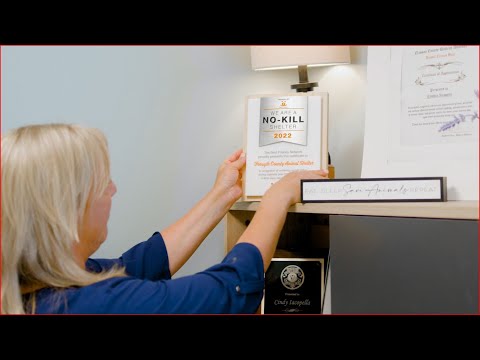

How the program works
Using the latest data, Best Friends identifies and strategically pairs shelters that have achieved a 90% save rate (the benchmark for no-kill) with shelters that need help in reaching the no-kill threshold.
After being paired with a shelter using the pet lifesaving dashboard data, the shelter fellows work with their peer mentors to look at current shelter data and come up with a plan and a budget for programming to increase the fellow’s save rate. Best Friends doesn’t dictate what the relationships should look like because the goal is to encourage peer mentors to do what they do well without restrictions.
There are also financial incentives for participating in this perpetuating loop of lifesaving. Best Friends provides seed grants to partnerships and offers ongoing training and coaching to shelter collaborative partners.
These grants can be used for a variety of purposes, including hiring additional staffing, covering medical and surgical expenses, paying for supplies, and financing travel for shelter visits and conferences.
To learn more about the program, email sheltercollaborative@bestfriends.org and a member of the team will reach out to you.

In the first year of the program, participating shelters saw a 40% increase in save rate and a 71% reduction in the number of dogs and cats killed, on average.
Cats and dogs aren’t the only ones who benefit from the program
For shelter staff yearning to see fewer pets losing their lives and more pets finding loving homes, these collaborations come as morale boosters in a time of great need.
Here’s what past participants are saying about the program

“This partnership has been incredibly helpful, and I look forward to being able to continue to apply what we’ve learned through the collaboration so that we can achieve our lifesaving goals.”

“I really think that partnering with a southern shelter has given us a deeper understanding of the challenges and needs, and that has been truly motivating for our team to engage in a deeper way.”

"Being part of a network that truly understands the challenges we face—and actively works with us to overcome them—has renewed our passion and strengthened our mission. This collaboration isn’t just about saving lives; it’s about building a community where no shelter feels alone."

Become a peer mentor
To be a successful peer mentor, your shelter should have a history of strong, sustainable lifesaving programs and be committed to bringing those programs to other organizations.

Become a shelter fellow
Potential fellows currently have a save rate below 90% for dogs or cats, or both. They must also be open to making necessary program changes to achieve sustainable lifesaving success.

About Best Friends Animal Society
Best Friends is working to end the killing of dogs and cats in U.S. shelters in part by getting more pets out of shelters and into loving homes.
