Reframing Fostering: New Models for Foster Programs Are Changing What's Possible
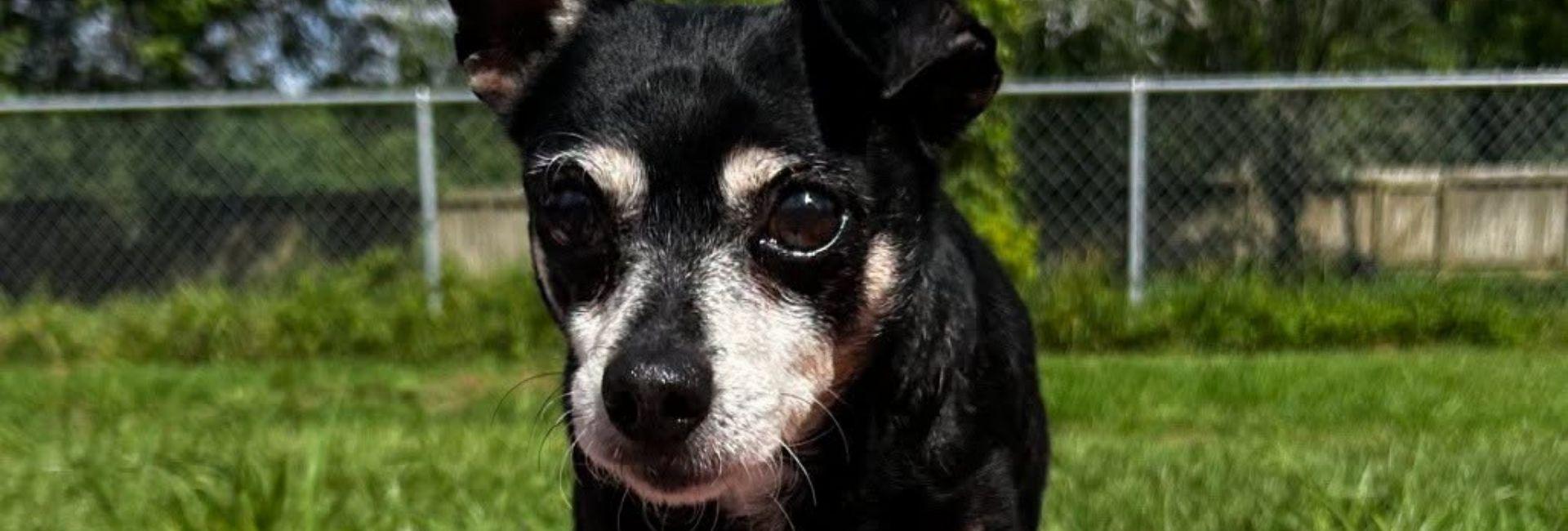
At 13 years old, Peso was in a loving foster home, through S.A.V.E. Rescue Coalition in Texas. But Peso’s foster parents were suffering health challenges. They could care for the dog, but weren’t able to market her to potential adopters. Even taking photographs was a challenge.
This could easily have led to a bottleneck. Except S.A.V.E. Rescue Coalition had recently launched a “virtual foster” program as part of its participation in the 2026 Foster Forward Challenge.
Peso was partnered with a 19-year-old college student who visited Peso in her foster home, taking photos and videos that highlighted the dog’s sweet personality. The volunteer also wrote an adoption bio for Peso, and created a compelling social media post.
So compelling that Peso was quickly adopted.
“That single post changed Peso's future,” says Sara Plunk, the rescue's media and programs director. “Peso's journey demonstrates how virtual fosters can bridge the gap for busy or overwhelmed foster families, ensuring every animal has the opportunity to be seen, celebrated, and ultimately adopted.”
Virtual fostering is just one of the types of programs expanding our understanding of what foster programs can be. Across the country, creative minds in animal welfare are proving that foster programs can be nearly anything we need them to be, bringing their impact and ability to engage the community in lifesaving to new heights and opening many new opportunities for pets.
Traditional foster programs often rely on people taking pets into their homes for an unspecified length of time, which can make the prolonged time commitment scary for people to want to participate in.
But newer foster programs have shown that animals still benefit from even shorter-term foster opportunities that can be more accessible and approachable for new fosters in your community.
If you’re feeling like your organization’s foster programs have hit a plateau, think about trying one of these new foster programs. Most won’t cost you an extra dime to get started!
Doggy Day Out and Other Short-Term Foster Opportunities
Traditional foster programs often do not account for pets coming back to the shelter. Dogs and cats are anticipated to go from a foster home to an adoptive one. While that’s ideal for many reasons, it also means that people who don’t have much time or space to give don’t have the opportunity to participate.
Overnight, weekend, or even day-trip options, like those through Nebraska Humane Society’s Barks and Recreation program, means even those who have just an afternoon to spare can support your work.
These kinds of programs are especially impactful in cities where large dog adoptions can be a challenge. Cities provide endless interesting things to do — like walk in the park, visit a hardware store, get a pup cup at your favorite ice cream shop, or stop for happy hour — and day trips can give shelter dogs visibility to literally thousands of people in a single day, marketing you just can’t beat.
A study of 51 U.S. shelters found that doggy day outs increased a dog’s likelihood of being adopted by five times, compared to those who didn’t.
This impact held true for dogs with longer shelter stays, proving that getting them out of the shelter and learning a bit more about them was valuable, even if the trip was short. And that’s exactly why Best Friends has launched our own “doggy day out” program, called Adventure Buddies!
Check out this webinar on short-term fostering for more ideas about how you can launch a short-term foster program in your community.
Virtual Fostering
For animal lovers who don’t have transportation, have mobility challenges, just two examples, of many, traditional fostering may not be accessible, even if the desire is there. But what if your program could bring even more people to it by scrapping the basic premise of what foster care is in the first place?
Think about piloting a virtual foster program, where remote volunteers promote pets and increase visibility for adoption.
What does virtual fostering look like? It can be as simple as asking your volunteers to cross-post pets who are looking for homes. Or it can be much more involved.
Make a Stand Bully Rescue’s Virtual K9 Foster Homes, out of College Station, TX, matches specific dogs with a virtual foster parent who advocates for them, creating and circulating high-quality marketing materials to help increase available dogs’ visibility.
Louie’s Legacy, with a presence in Ohio and New York, launched their virtual fostering program in June, cutting to the faux meat of the matter in their Instagram announcement by saying, “No pet-sitting, vet visits, or extra space required — just a little time and a passion for helping animals get adopted!”
Foster Programs for Pets Who Never Enter the Shelter
What if foster wasn’t focused on shelter animals at all, but could focus on keeping pets out of shelters and in homes with people in your community?
Young kittens are a perfect group for this type of program, since they are the most vulnerable shelter population, but become among the most adoptable. At Field Haven Feline Center in Lincoln, CA, the adorably named Kitten Sitters program enables community members to foster kittens they find, while the shelter provides all necessary support including food, supplies, spay/neuter, and some low-cost medical care (all things they would need to provide if the kittens ended up at the shelter, anyway).
Sounds commonplace enough, except that Field Haven pushed their kitten foster program even further, providing placement support to help fosters find homes for their kittens directly, no shelter stay needed at any point. Best Friends data shows that allowing fosters to process adoptions gives an extra boost to adoptions!
An emergency foster program can keep all kinds of pets in homes, when their owners are unable to care for them due to hospitalization, domestic violence, eviction, or any number of other circumstances that could otherwise lead to a pet being surrendered.
Dogs Matter, a department of Dallas Pets Alive!, runs a crisis intervention foster program that provides temporary care for pets whose owners are in treatment and recovery for substance use disorders.
Providing this kind of “pre-shelter” foster care helps to avoid shelter intake entirely, preventing new animals from entering already crowded shelter systems and better enabling pets and their owners to be reunited.
Also consider piloting a friendly finder program, through which community members foster lost pets while searching for their owners — a scenario happening in nearly every community independent of the shelter, anyway! These programs don’t just keep pets in homes but also work well to help reunite lost pets with their families. The Friendly Finder Playbook will help you get started.
Or maybe your new initiative is just a one-time event at which pets get to choose their foster home!
For most foster programs, shelter staff or the families themselves identify which animals go into foster with who. But two shelters turned a viral AI video into a real-life event where the dogs made the decision.
These love at first sight-styled events allowed dogs to choose who they spent their short-term foster adventures with by letting them interact with a room full of people. At Maricopa County Animal Care and Control in Arizona, 10 dogs went into foster following a July 4th space crunch. And an incredible 29 dogs from Animal Care Centers of NYC’s Queens shelter were able to make their selections. Watch the video and see how much fun everyone, dogs and people alike, are having!
By reframing the initial foster experience in a fun, new way, these organizations sent dogs into foster, brought additional people into their mission, and gave them click-worthy moments that further served to amplify their message.
There is no limit to the ways that shelters and rescues can make their foster offerings more fun, accessible, engaging, and successful.
Want more ideas? Try out the practices successfully piloted by participants in the 2026 Foster Forward Challenge to engage more people in your community and place more pets in foster homes!
Aurora Velazquez
East Regional Director
Best Friends Animal Society

Type:
Blog