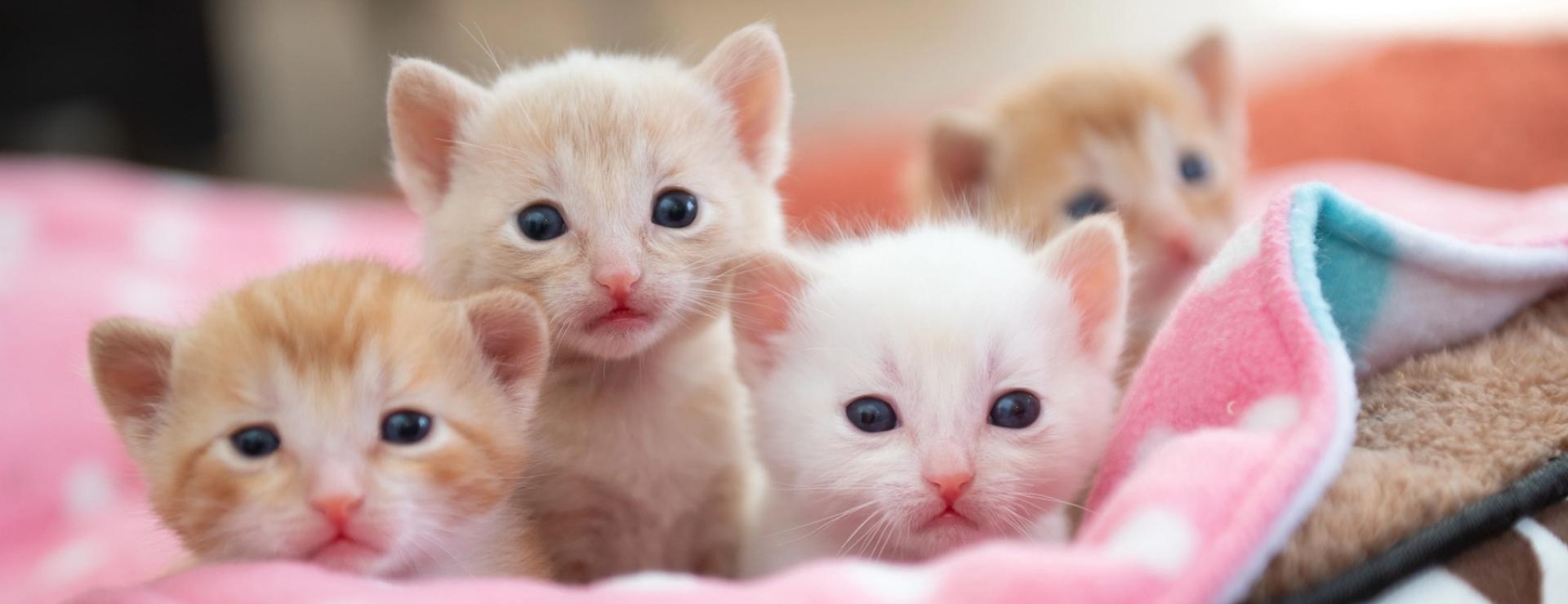
How to Save More Cats and Kittens
A Roundup of Lifesaving Shelter Programming
Animal welfare organizations across the country have made tremendous progress in lifesaving over the past two decades, yet cats and kittens often remain vulnerable in the shelter system.
When shelters put data-backed, proven lifesaving programs into action, the impact can be remarkable. One shelter I worked with in Indiana saw this firsthand after introducing vaccinations upon intake. Almost immediately, illness rates dropped — most notably cases of feline panleukopenia.
The benefits didn’t stop there. With fewer cats needing medical treatment, the shelter also began saving on medication costs, which helped mitigate the initial cost of vaccines. Even more encouraging, the average length of stay for cats started to decrease. Healthier animals meant cats moved through the shelter and into homes more quickly.
Lifesaving shelter programming for cats and kittens is ultimately about meeting animals where they are and designing systems that support their unique needs. Listed below are programs that can help your team get started today on tackling feline lifesaving in your facility.
You don’t have to do all of them right away, all at once. Try one new thing for a month and measure the results. Then add in another new practice.
From 18 years in this field, I know change can be scary but is so rewarding once you see your lifesaving increase — and more cats and kittens going into loving homes!
Pathway Planning
Pathway planning means having a plan for how to move each pet in your care into a home as quickly as possible. Depending on your organization's type, pathway planning can either start in the field during a call or once the animal has entered your doors to intake from the public.
This program is geared towards figuring out how to get the animal moving through the shelter system as quickly as possible, while still providing them with the care and resources they need.
Pathway planning should be part of daily rounds to help verify that each animal is on their own path towards a positive outcome. This may be as simple as confirming necessary appointments have been scheduled, medical tests have been run, foster placement needs have been identified and acted on, just to name a few.
To get started, consider developing an internal flow chart. Animals staying longer in care should also have a 30/60/90-day plan in place to ensure they don’t get lost in the shuffle of new arrivals.
Adoption
Open adoption practices like waived fees, shortened applications, adoption promotions, and flexible adoption counseling all help get cats and kittens into homes more quickly.
Creative placement strategies can also help increase adoption rates. For example, shelters may implement working cat programs for cats who prefer limited human interaction and would best thrive in environments such as barns, warehouses, or garden centers. Others may partner with pet supply stores or community organizations to host off-site adoption events that expand visibility and reach new adopters.
Even small adjustments — such as shifting some adoption hours to nights and/or weekends, or implementing a simplified adoption process — can make it easier for families to welcome a new cat into their home.
Looking for more ways to increase adoptions? Try out the data-backed strategies that 219 participating organizations successfully used as participants in the Bring Love Home Challenge participants — getting an incredible 15,279 pets into homes during the December 2025 challenge period.
Foster Programs for Neonatal and Young Kittens
Foster programs are one of the most effective tools for supporting kittens.
Foster programs allow shelters to support neonatal kittens who could otherwise face poor survival odds in a traditional shelter setting. A robust foster network can dramatically increase survival rates for kittens and reduce disease transmission within the shelter.
Beyond neonatal kittens, many young kittens are too small to thrive in a shelter environment because they require specialized care, socialization and medical monitoring. By placing kittens into foster homes, shelters can provide individualized care while freeing valuable shelter space for other animals.
You can expand and maintain your kitten foster network with a foster recruitment drive, then providing specialized training for kitten fosters, and keeping your fosters engaged — this webinar on preparing your foster program for kitten season has tips for how to do all this and more. And check out this video on creating a neonatal kitten program.
Rather than reinventing the wheel for resources and documents, email midwest@bestfriends.org for sample applications, protocols, tracking documents, foster program feedback surveys, and so much more.
Community Engagement and Partnerships
Successful cat programming depends on community engagement. Shelters must work alongside residents, veterinarians, rescue groups, other shelters, support organizations, and volunteers.
Partnerships with local organizations are an especially important way to expand foster capacity, improve access to veterinary care, and strengthen the safety net that keeps cats out of shelters whenever possible.
In my former shelter, we often held onto the animals we knew were highly adoptable — but one summer, in the midst of an overwhelming number of kitten intakes, we decided to allow other organizations to transfer these animals in. This shift in mindset allowed our team to work more with the longer stay animals, recognize and begin working within our capacity for care, and increased our adoptions. We also built stronger transfer partnerships.
Looking for ways to build and expand lifesaving partnerships with other rescues and shelters? Try out the strategies that Partner Up Challenge participants successfully piloted to increase transfers and save lives.
Community Cat Programming
Community cat programming (CCP) is an essential tool in feline lifesaving, often implemented through trap-neuter-vaccinate-return (TNVR) initiatives. Properly run community cat programs are also an important part of strategic managed intake.
Historically, shelters admitted large numbers of free-roaming cats only to face overcrowding and limited placement options. TNVR programs humanely trap cats, sterilize, and vaccinate them, and return them to their outdoor homes where they are cared for by community members. This approach stabilizes populations, improves the health of the cats, decreases fighting, and dramatically reduces colony size while increasing lifesaving at your organization.
Expand or implement your community cat programming to make a real difference for cat lifesaving in your community. Try out the practices piloted by participants in Best Friends’ 2025 Community Cat Challenge — who saw a 48% improvement in cat lifesaving compared to the same period the previous year. This TNVR lobbying toolkit will guide you through every step of lobbying for community cat programs with elected officials, if you need a policy change to enact TNVR in your community.
Enrichment
A phrase I always go back to is “a happy animal is a healthy animal,” and enrichment is a key tool for keeping animals happy. Simple changes such as providing hiding spaces, vertical perches, soft bedding, and consistent daily routines can significantly reduce stress levels in cats. Enrichment activities, including toys, puzzle feeders, cat scratchers, and socialization programs, further improve welfare and help cats show more of their true personalities to potential adopters.
Enrichment programs are a great area to get volunteers involved, like with making toys or working with shy cats and kittens to help them grow more confident!
Medical Care
Veterinary medical care is an area of top importance. Immediately vaccinating upon intake, strong disease prevention protocols, and early treatment of common conditions such as upper respiratory infections are essential. Working towards being proactive, versus reactive in the medical space, can not only help the animal stay healthier, but can also help reduce costs over time.
The Best Friends shelter medicine webinar series is a great place to start if you’re developing and refining medical care for your cats and kittens. Sign up for Best Friends Network emails to stay on top of new webinars in the series.
Best Friends’ national shelter medicine program also maintains a library of shelter medicine resources, including protocol templates, job aids, and training resources, based on proven lifesaving practices and the current scientific evidence in shelter medicine — you can request access to the library using this form.
For a consult with Best Friends' national shelter medicine program, contact your regional team.
As you dive further into each of these topics, remember: just try one thing at a time. Small steps create sustainable change and can help us feel more in tune with progress.
Liz Stamper
Midwest Regional Senior Manager
Best Friends Animal Society
