These Orgs Saw a 10x Greater Increase in Adoptions. What Could This Mean for You?
What we learned from looking at Bring Love Home Challenge participants’ data in the three months after piloting a new adoption practice
When shelters and rescues piloted a new adoption or fostering practice throughout December 2025, for the Bring Love Home Challenge, we didn’t have to look hard to see the amazing effect.
With 219 rescues and shelters reporting their results, 15,279 cats and dogs found homes during the challenge period. For the 210 of these organizations who’d also shared December 2024 data for comparison, the data showed a 14% year-over-year increase.
The participants represent every type organization, of every size, in every environment. With yearly intakes ranging between 9 and 14,700, these include government shelters, nonprofit shelters with and without government contracts, and rescues. They serve rural areas, cities, and everything in between.
219 219 rescues and shelters reported their results | 15,279 15,279 cats and dogs found homes during the challenge period | 14% For 210 of these organizations, the data showed a 14% year-over-year increase in adoptions |
What would happen with these shelters and rescues once the challenge period was over? Would piloting a new adoption practice lead to longer term, sustainable positive results — or were challenge participants going to see just the one-month improvement?
Examining three months’ of post-challenge data, we found sustained positive change to a degree that, candidly, even surprised us: Challenge participants saw a 10x greater increase in adoptions in January-March 2026, compared with shelters and rescues that did not participate in the challenge.
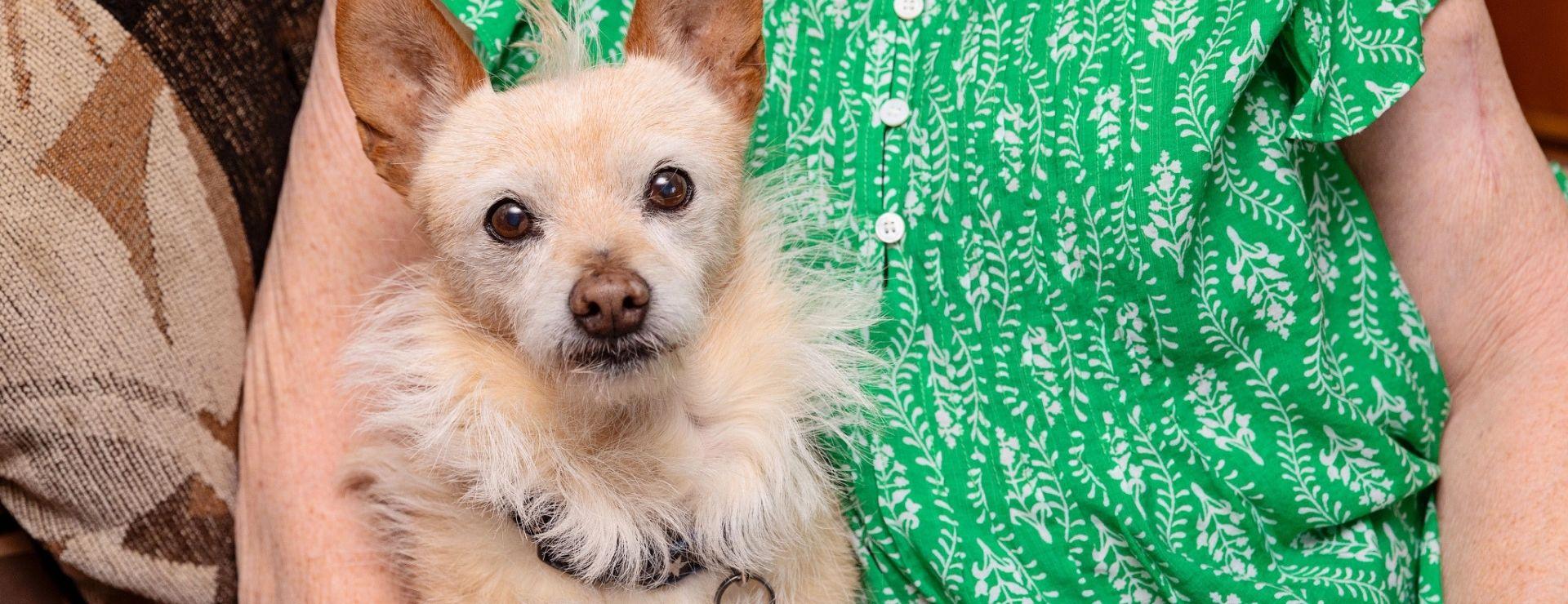
Miss Priss is one of the 15,279 cats and dogs who found a home during Bring Love Home. She’d been at Roanoke Valley SPCA in Virginia for a while, when the shelter joined the challenge to pilot new adoption practices. “Then one evening, at 6:30, just thirty minutes before closing, two people rushed through the door, equal parts excited and nervous,” says CEO Denise Hayes. A mother and son had seen Miss Priss on the shelter website, and felt an instant connection. After a conversation that gave them confidence this was a good match, and a joyous meet-and-greet, Miss Priss was adopted. “They had found their dog,” Denise says. “As they walked out together, Miss Priss finally heading home, my coworker and I had to turn away to hide our tears.
All organization types saw improvement — government shelters, nonprofit shelters with government contracts, nonprofit shelters without government contracts, and rescues. And the improvements held for every individual month as well as across the whole period:
- In January, participants had a 2x greater increase in adoptions compared with non-participants.
- In February, had a 6x greater increase compared with non-participants.
- Perhaps most notably, in March, participants had a slight increase in adoptions while non-participants' adoptions actually decreased compared to March 2024. This suggests that taking part in the challenge helped build important resilience.
OK, sure, so that's great for the shelters and rescues that were part of this challenge, but what are the lessons for everyone else?
The main way to find out about the next challenge is to make sure you’re getting Best Friends Network emails. Get on the list, that one’s easy.
The second one is easy, too: Go ahead and try something new! How about starting with one of the new practices that Bring Love Home Challenge participants piloted during the challenge month?
There are so many options. Try offering same-day adoptions and fostering opportunities; waiving or reducing adoption fees; starting or expanding your foster program; removing barriers to adoption like home checks or landlord checks; or increasing open adoption and foster pick-up hours.
You could post more of your pets to Petfinder and Adopt a Pet, and/or shift some of your open hours to weekends and evenings.
Find out more about these practices and more in the Bring Love Home 2025 Operations Guide.
Then pilot one new practice at your organization. Do it for just a month to start.
Measure the results and keep doing what works. Pilot something different if you’re not seeing improvement, or if you want to add another new practice to the first.
Trying one new thing for a limited period of time is easy, and, as the data shows, these small steps can make a big difference.
Here’s another data point that encourages this approach: 81% of Bring Love Home Challenge participants told us they planned to continue the practices they piloted during the challenge period.
Which one are you ready to try today?
What new adoption practices are you already trying or plan to try? Let us know — we want to be inspired by you!
Arin Greenwood
Senior Strategist
Network and Advocacy Communications
Best Friends Animal Society

Katelyn Durkin
Manager
Network Partner Relationships and Experience
Best Friends Animal Society

Type:
Blog