2025 Mid-Year National Data Report: Lifesaving Improved by 19% in the First Half of 2025
January–June 2025 data report shows important progress — and how to keep going, to reach no-kill.
The data from January–June 2025 is in* — and in the first half of 2025, lifesaving for dogs and cats in U.S. shelters improved 19% compared with the first half of 2024.**
At the end of 2024, we reported that we were starting to see a flattening of the curve for shelter deaths. The data shows that positive trend has carried over into 2025.
Stay Updated on Nationwide Lifesaving
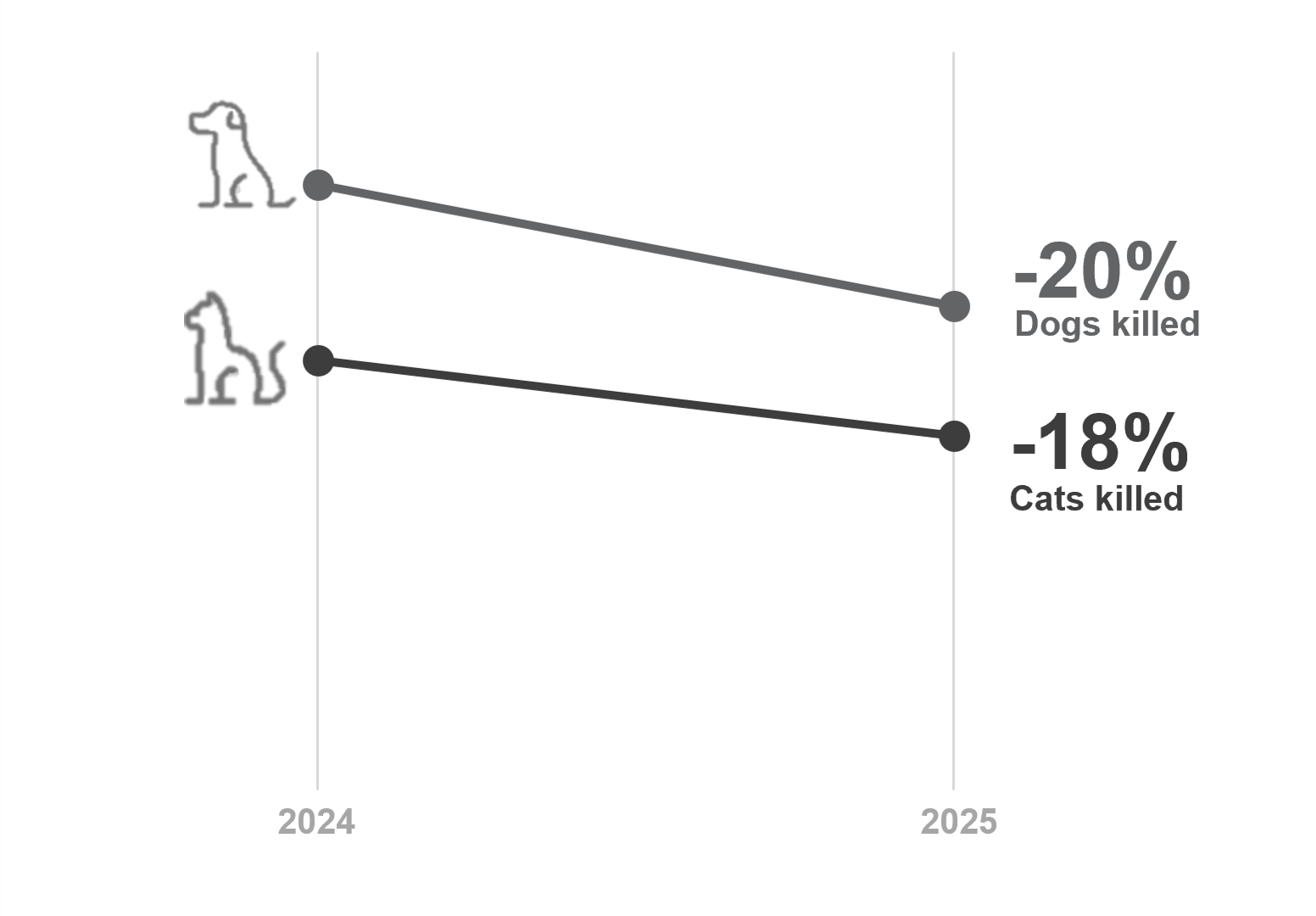
For dogs, it’s the first lifesaving improvement we’ve seen since the pandemic — an incredible 20% decrease in the number of dogs killed, marking a hopeful turning point.
Killing for cats decreased by 18% — indicating that the positive momentum in cat lifesaving we saw in 2024 is continuing.
Lifesaving improved because the number of animals killed decreased.
January to June 2024 compared to January to June 2025
Many shelters are still struggling with the volume of pets coming in and getting them out to safety. But the data shows progress — coming thanks to the hard work and dedication of shelters, rescues, and communities of animal lovers implementing and expanding lifesaving programs and working together to save cats’ and dogs’ lives even through the greatest challenges.
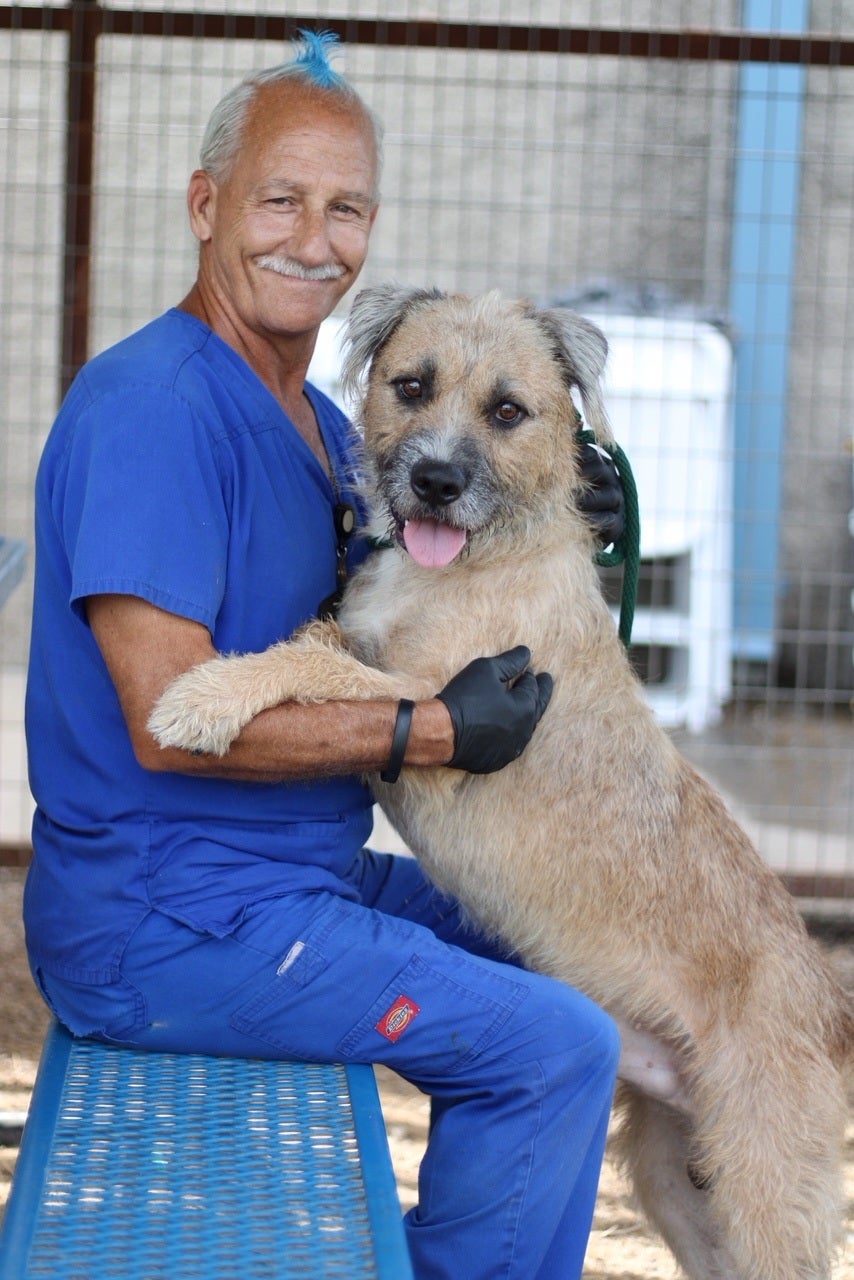
In the first half of 2025, over 700 fewer animals were killed than in the same time period the previous year at Fort Worth Animal Care & Control (FWACC) in Fort Worth, Texas — despite a distemper outbreak that not only put dogs in the shelter at risk but also meant pausing lifesaving transports.
How did they do it? Superintendent Anastasia Ramsey credits a number of lifesaving programs implemented to ensure healthy dogs didn't come into the shelter where they risked getting exposed to the disease.
This included restarting a previously-shelved "friendly finder" program — with a clear operational framework and SOP — so that lost dogs could be fostered by their finder or another community member, rather than enter the shelter. The finder and other community members are encouraged to be involved with a pet's outcome, as well, like helping them get adopted if they do not return to their owner.
FWACC also upped their pet retention efforts — with options like training and behavioral support, to help pets stay with their family. As Anastasia puts it, we "try to make people aware of their offerings before it gets to the point of surrender."
Altogether just over 2,000 fewer animals entered the shelter from January–June 2025, compared with the same time frame the previous year.
Check out the Friendly Finder Playbook to help start and grow a program at your organization!
And don’t miss these pet retention and community support resources.
Intake trends show steady progress.
Intake in 2024 remained relatively steady compared to 2023, remaining well below pre-pandemic numbers. Intake for cats has remained stable in the first half of 2025 — with a slight increase of .9%.
For dogs, we're actually seeing a trend of decreased intake. Dog intake was down 2.7% in the first half of 2025 compared to the first half of 2024. This may sound like a small change — but it’s big news for lifesaving, and shows that despite all the challenges organizations like yours are moving the needle!
When shelter intake is managed correctly by keeping pets with their families, getting lost pets back home, and looking for other ways to rehome pets without bringing them into the shelter, we see increases in pet lifesaving.
Even a small decrease in intake for the first six months of 2025 generated a huge impact on dog lifesaving.
It isn’t about closing your doors or ignoring pets or people in need — it’s about implementing programs that help keep pets in homes and reunite pets in the field, and proactive pathway planning to develop plans for pets before they enter the shelter to get them on a path that leads to lifesaving outcomes.
These resources will help you understand and implement responsible managed intake in your organization that prioritizes lifesaving, public safety, and animal care:
- The blog Lifesaving in Animal Shelters — a Need for a Different Approach
- The Managed Intake or Admissions Training Playbook
One of the best ways to responsibly decrease dog intake and length of stay is to boost your Return-to-Home rates by implementing proven practices like:
- Using Petco Love Lost for lost and found pet reports
- Providing microchip scanners to at least 50% of field officers who engage with the public
- Waiving or reducing reclaim fees by at least 50%
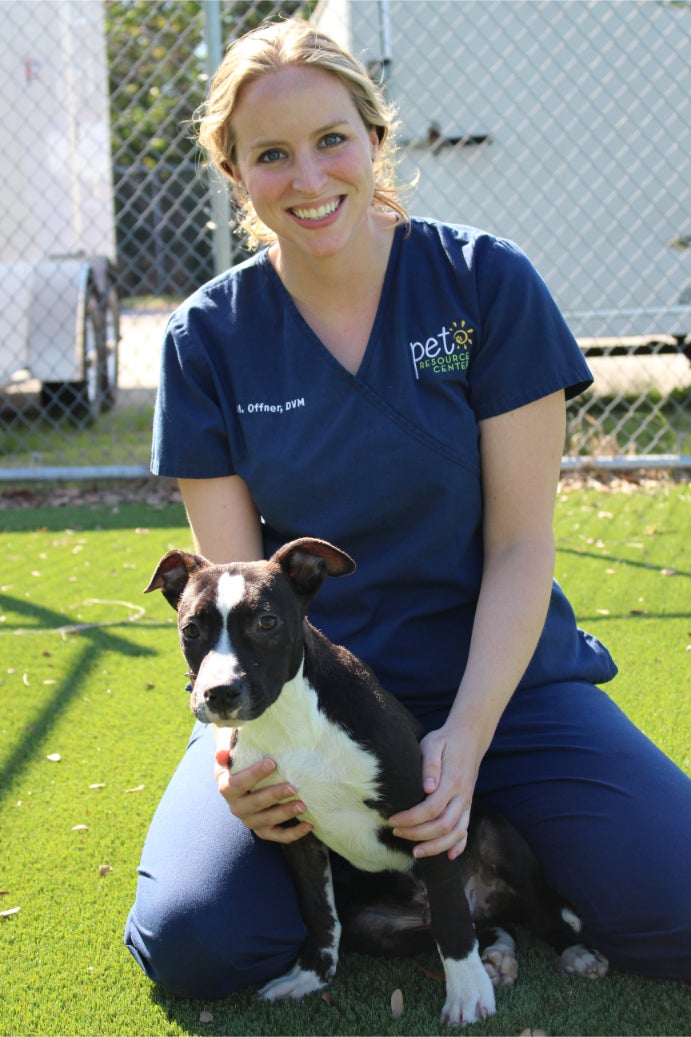
The Hillsborough County Pet Resource Center in Tampa, Florida, reduced their intake by over 900 cats and dogs in the first half of 2025, compared with the same time frame in 2024.
Director Scott Trebatoski attributes this reduction in intake to a number of factors. Chief among them, robust pet support programs to help keep pets with their families whenever possible — including providing medical care, food, and supplies. Scott also credits being patient while letting the programs, which have been in place for several years now, hit their stride.
“I think the key for their success is letting them work — giving them time," Scott says.
Scott says the pet support programs are successful 83% of the time — he meticulously tracks the data — and not only reduce intake, but also save the shelter money. He estimates an average cost of care of $585 for animals who come into the shelter compared to an average of less than $100 for retention services.
“I only want your animals when nothing else can be done,” Scott says to his community. "And hopefully you never have to bring your animal here.”
Transfers are flowing again.
Partnerships are key to saving lives, and in the first six months of 2025 we’re seeing lifesaving transfer partnerships pick up.
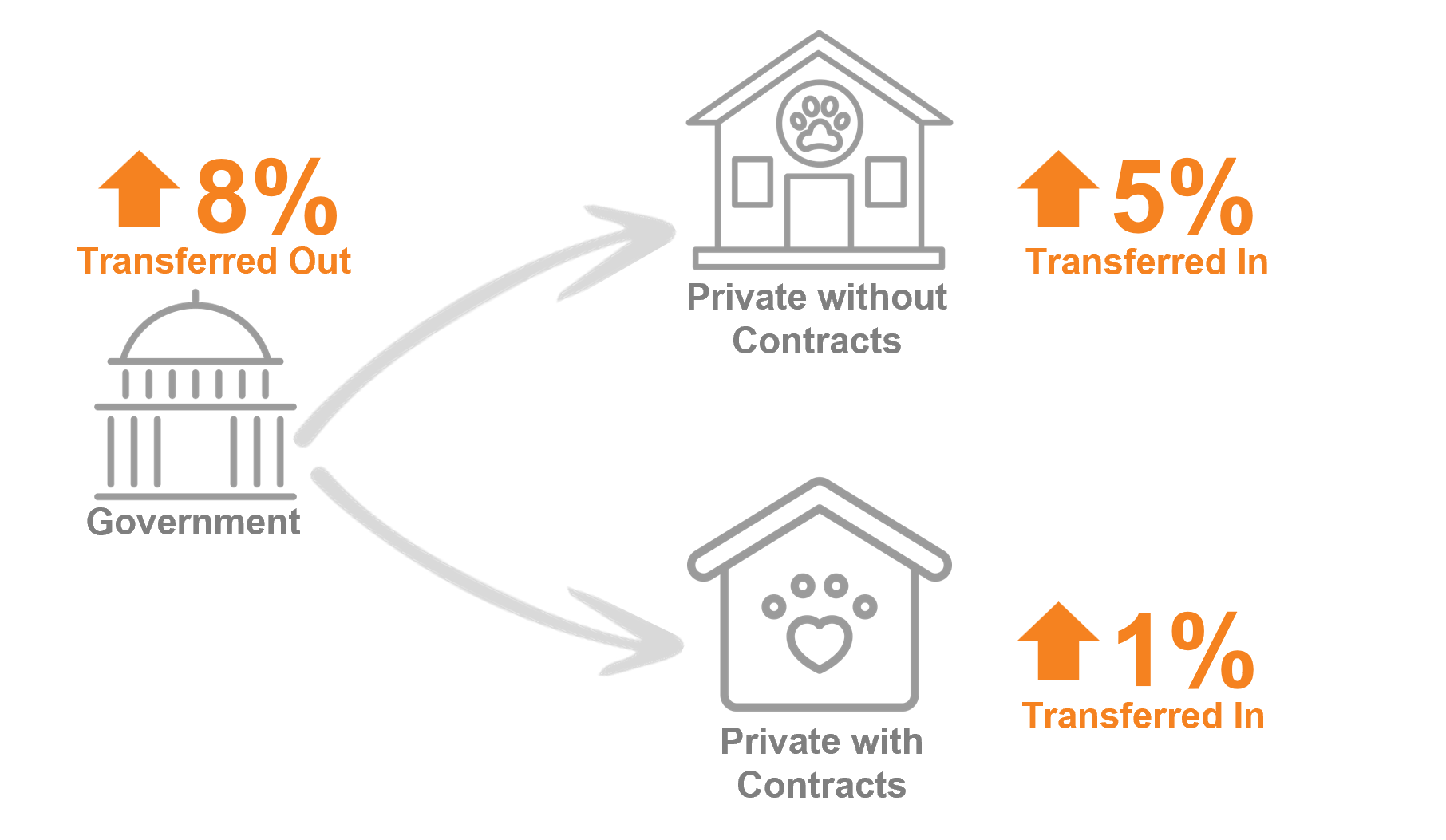
It appears that the transfer bottleneck has opened up. Government animal services agencies are reporting an 8% increase in animals transferred out — with a slightly more than 7% increase for dogs, and a 10% increase for cats. That’s a huge positive change, in a short amount of time.
In our 2024 report, we encouraged private shelters without government contracts to increase their pulls, and the January-June 2025 data shows them doing just that. Many of the transferred pets are going to private shelters without contracts that are showing a more than 5% increase in transfers in for both dogs and cats. This shows private shelters really opening their doors — a critical part of building and expanding the lifesaving partnerships that are essential to achieving no-kill.
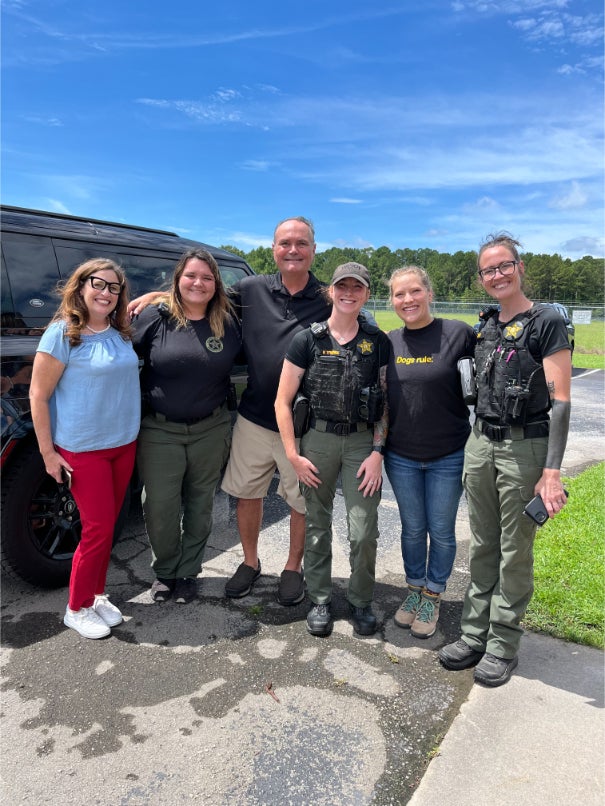
Craven-Pamlico Animal Services Center in James City, North Carolina, increased their transfers out to rescue organizations by nearly 250 in the first half of 2025 compared to the same period in 2024 — which Animal Shelter Operations Supervisor Alyssa Merget says reflects intentional, relationship-driven work.
Alyssa and her team have prioritized getting to know their rescue partners — to help make these relationships as easy, positive, and sustainable as possible. That means learning and being responsive to things like the types of pets a partner can and can't work with; what time of day is best for them to pull animals from the shelter, which sometimes means before or after normal opening hours; and whether the partner wants to do spays and neuters at their own vet or have them done at the shelter.
It even extends to any given rescue partner's preferred mode of contact — though on that front, these days, it's pretty universal.
“Most of my rescues," Alyssa says, "I'm communicating with through text.”
Craven-Pamlico handles logistics whenever possible — arranging health certificates and transportation, with nearly all transports conducted by volunteers.
These days the shelter is also broadening their transfer program to involve local partners in their "found foster" program — through which found pets can go directly into rescue, with the agreement that if an owner comes forward during the stray hold period the pet will be returned. It's outside the box thinking that helps gets pets out of the shelter through transfers!
Improving and expanding transfer partnerships is a key strategy to increase lifesaving.
The free course Lifesaving Through Transport Programs will teach you how to start a transport program and successfully execute transports to save more lives.
The Animal Transport Volunteer Playbook will help you get your transport program started — with all the basics you need to know, along with customizable sample documents (like safety protocols, medical checklists, and more) to use in your program.
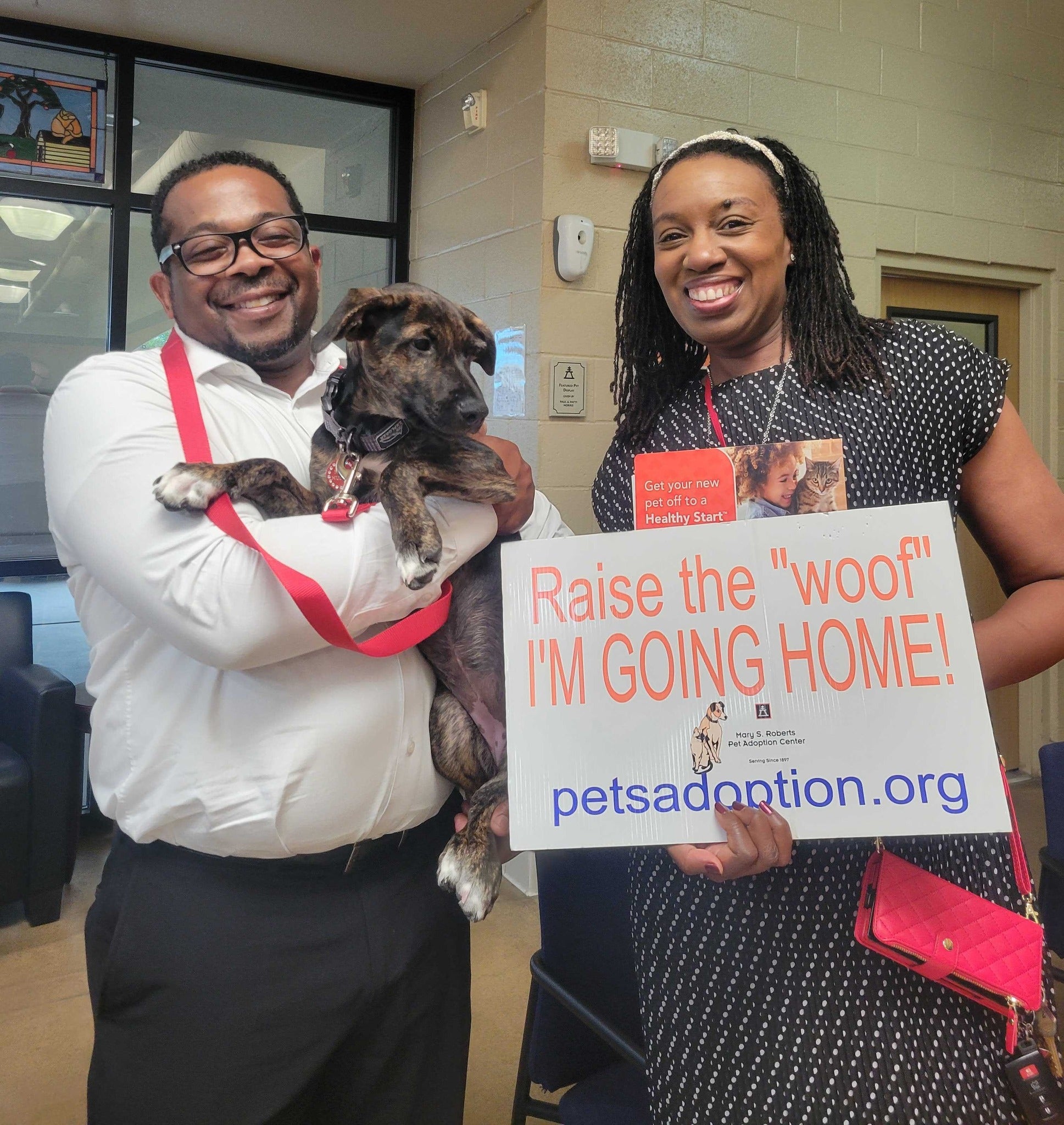
The Mary S. Roberts Pet Adoption Center in Riverside, California, increased their transfers in by over 100 pets from January to June 2025, compared to the same period last year. This is part of their larger effort to expand support for municipal partners in need — including those impacted by this year's devastating wildfires.
“Our staff takes pride in knowing that by saying 'yes' to a transfer, we’re not just helping an animal,” says Executive Director Carrie Ridgway. “We’re also helping our colleagues in shelters that are stretched thin, understaffed, and overwhelmed.”
But of course, Mary S. Roberts needed to make room themselves, to expand their support for municipal partners in this way. That meant moving pets through their system more efficiently by streamlining the intake process, leaning more heavily on fosters, and making the adoption process more welcoming.
Carrie expects these changes to be long-lasting, speaking to who this organization is, and who they want to be. “When we shift our mindset from gatekeeping to welcoming, we not only save more lives — we build stronger, lasting connections with the community that sustains us.”
Adoptions have remained stable after increasing in 2024.
This shows the bump in adoptions seen in 2024 is holding.
In fact, 45% of shelters increased adoptions so far this year! Check Shelter Pet Data Alliance to see how your organization compares.
Overall adoption rates remained stable largely because private shelters without contracts increased adoptions by 6%.
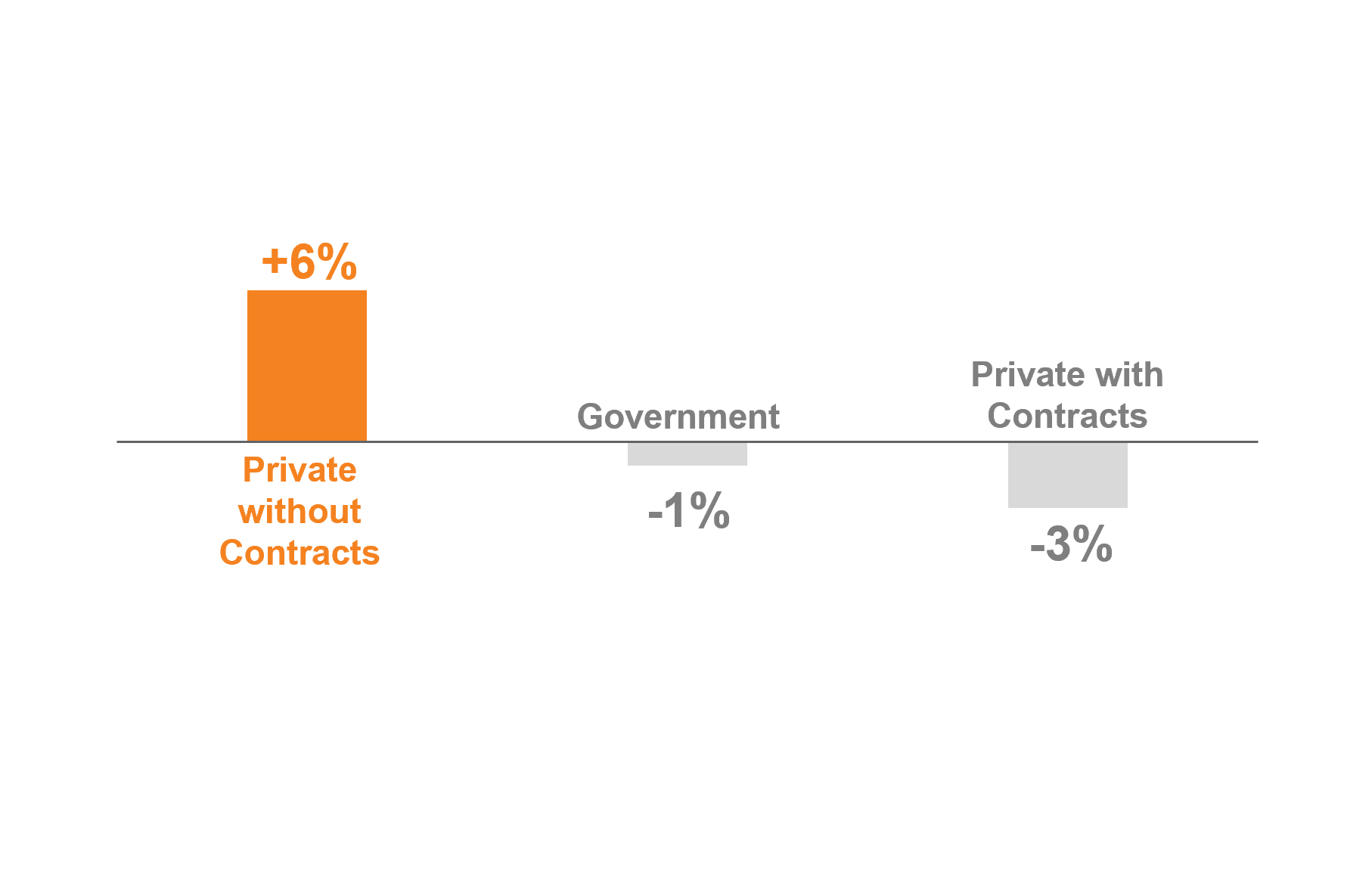
But while government shelters were responsible for the largest increase in adoptions in 2024, private shelters without government contracts were down. The data from January–June 2025 shows important positive movement with private shelters without government contracts now, too. These organizations are reporting a 6% increase in adoptions — 3% for cats and 10% for dogs. These are significant and important positive changes with real impact on lifesaving.
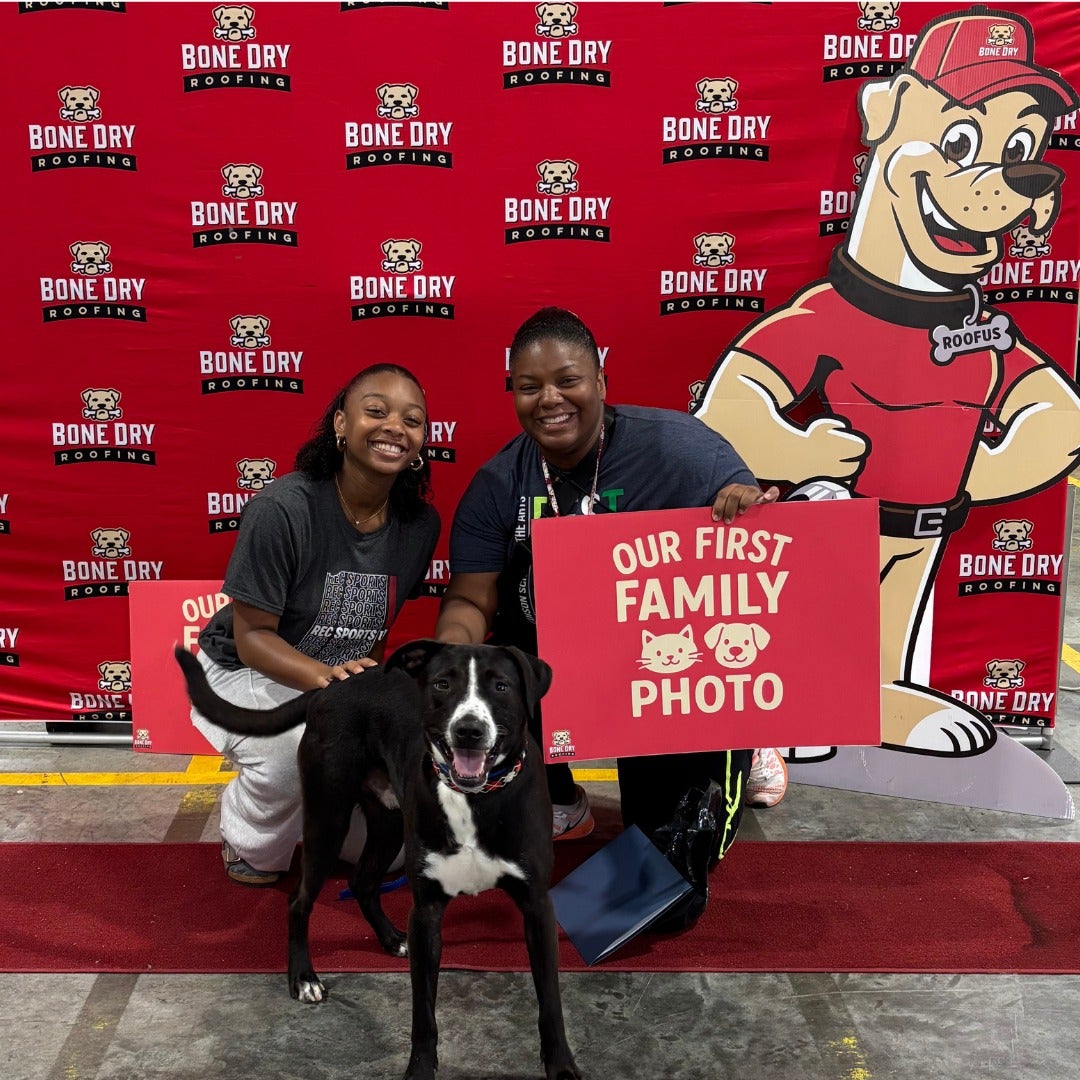
Indianapolis Animal Care Services in Indiana increased adoptions by nearly 300 pets in the first half of 2025 — while also decreasing the number of animals killed by almost 400.
Director Kelly LaRoche cites a number of changes that helped. For example, the shelter's marketing now has a heightened focus on urgent pets, and found pets who can be more quickly adopted with the increased attention, if they aren't reclaimed during their stray hold periods.
More attention-getting photos and incredibly cute adoption promos also help get pets into homes. So does building a more welcoming and barrier-free adoption practice.
A bigger focus on pathway planning includes morning rounds and a daily afternoon pathway planning meeting, which is not only working to reduce the pets’ lengths of stay but is also helping with staff turnover and morale.
“I think just doing that was such a shift for our staff,” Kelly says. “We finally have a really good team that is sticking with us. My goal was to find a team and to nurture attitudes of non-bias and non-judgment toward people.”
Check out the Bring Love Home Challenge supporting materials for ideas about how to increase adoptions and foster placements at your shelter or rescue!
Return-to-Field (RTF) programs are essential to cat lifesaving. The data shows these programs are growing, and are likely responsible for some of the lifesaving gains for cats. From January-June 2025, we saw a 9.6% increase in RTF over January-June 2024.
Save more cats using these resources:
- The Community Cat Programs Playbook
- The Trap-Neuter-Vaccinate-Return (TNVR) for Cats: Action Kit
- What Shelter and Field Services Staff Should Know About Community Cats — a web page taking you through common misconceptions about community cats and community cat programming, so you can protect community cats and your organization
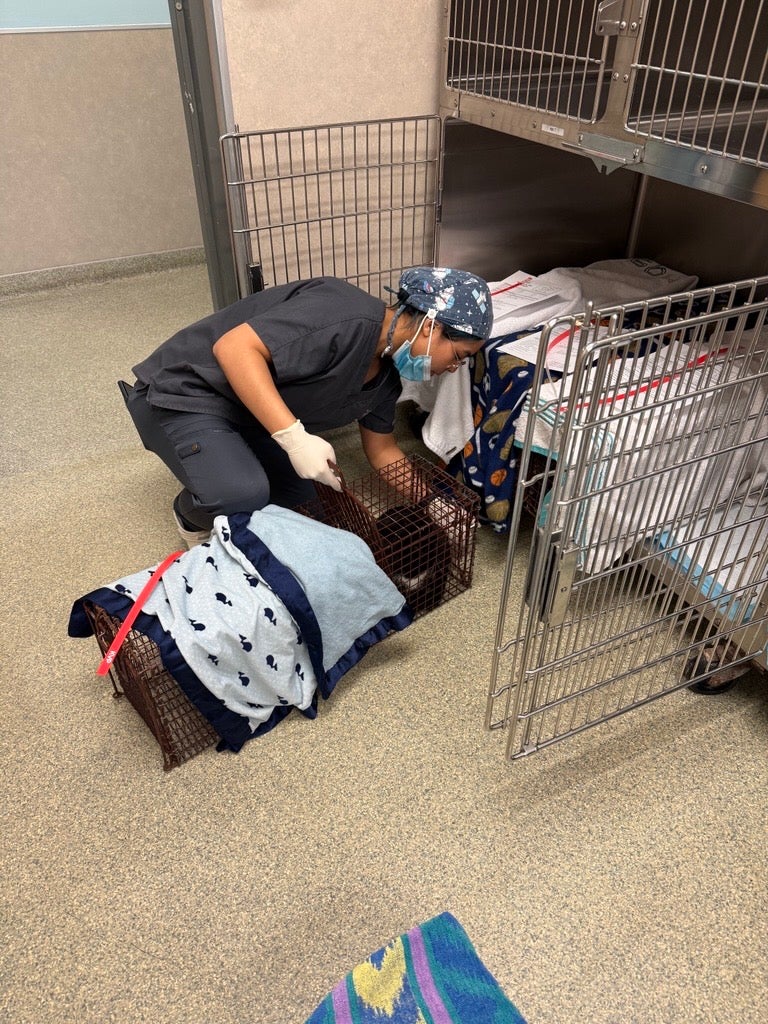
Who wants to help save cats' lives? The Jacksonville Humane Society in Jacksonville, Florida, had an idea, when they decided to start recruiting new volunteers to expand their community cat programs this year.
JHS did direct, targeted outreach to people they thought would want to be a part of the bigger TNVR effort — like people who'd already brought cats in through the shelter's TNVR program in the past, those people's cat trapping associates, and even community members who'd simply shown an interest in cats.
In 2025, this program is now regularly supported by a group of around 10 volunteers– a small and mighty team that has already accomplished a lot. These new cat crusaders not only helped with trapping and transport, but helped to identify areas of the city and surrounding areas with cats who needed to be spayed, neutered, and vaccinated. (Data gleaned from kitten intake records also showed where TNVR was needed.)
Thanks to these efforts, over 350 more cats got fixed and vaccinated in January-July 2025, compared with the first six months of 2024!
The trends for the first half of 2025 are inspiring and demonstrate that achieving no-kill across the country is increasingly within reach, thanks to your diligence and relentless drive to save lives.
The data shows that key clogs in the delicate animal welfare ecosystem have regained movement because organizations like yours are implementing, piloting, and growing lifesaving programs; connecting with each other in new ways; and engaging your community. Because of your hard work, the movement to help every shelter in America achieve no-kill continues to gain momentum, and we are making exciting lifesaving progress!
This work is difficult and demanding, but you don’t have to do it alone! If you are not yet a Best Friends Network Partner, join today and gain the individualized support of our experts who can help you identify and overcome challenges — often with funding to support these lifesaving efforts.
* Analysis based on a sample of 864 shelters that reported monthly data in January-June 2024 and 2025 (with 41% being municipal, 30% contract, and 29% private nonprofits without a government contract).
** Best Friends Animal Society has the most accurate, representative, and comprehensive dataset in the animal welfare industry. Its uniqueness comes from our continually monitored and verified list of brick-and-mortar shelters in the United States, paired with data gathered through public sources, open-records requests, and direct outreach to and partnership with shelters. Because our dataset captures a representative sample of the entire sheltering system, it accurately reflects national trends and conditions—making it the most reliable source for understanding animal welfare in the U.S.