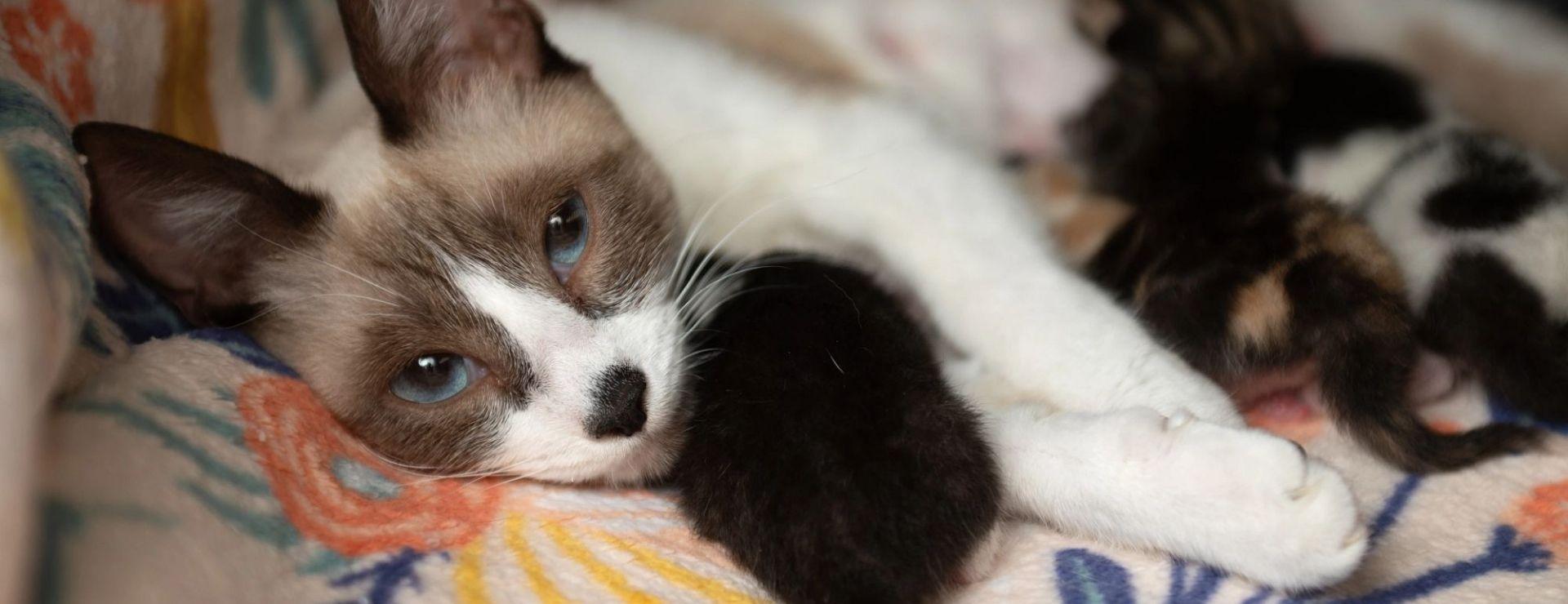
It’s Raining Cats and Kittens — and Your Data Is the Umbrella
Use your data to work smarter and save more lives
Like so many organizations, the Humane Society of Skagit Valley in Washington was left feeling perpetually overwhelmed during kitten season.
Instead of accepting the status quo or making changes that they simply hoped would lead to increased lifesaving, HSSV set out to implement targeted solutions based on what its own data revealed about which pets were entering the shelter, and where they were coming from.
HSSV is a private animal shelter that holds multiple contracts with local areas and cares for approximately 2,700 dogs and cats per year. Analyzing a year of intake data, with the support of the Best Friends regional team, the shelter made some actionable discoveries: 83% of all stray cats entering the shelter were brought in by members of their community, with 83.9% of all those cat intakes coming from just three ZIP codes.
Nearly 90% of the cats appeared normal/healthy on intake, and 74% of them were considered unweaned, juvenile, or young adult.
The trends pointed toward a need for more awareness of community cat practices within the community, and more spay/neuter resources in the neighborhoods where the majority of cats were coming in from.
These insights showed where changes would be most effective. Instead of planning for more cages the following year, the shelter offered more spay/neuter services, expanded their off-site adoption programs for cats, grew their foster program, and focused efforts on community education and engagement.
The data-driven efforts worked — extremely well. In 2024 HSSV's save rate for cats was 84%. Just six months after implementing these changes, they reached a 93% save rate for cats in 2025.
This wasn’t due to decreased intake. Overall shelter intake actually rose during this time. Only now it was deliberate and planned — with the shelter transferring in an additional 223 cats from other nearby shelters and rescues in 2025, compared with 2024.
Some days in animal welfare feel less like a drizzle and more like a flash flood. Intake numbers spike overnight, kennels double up, staff juggle impossible choices. When it’s “raining cats and kittens” the instinct is to put your head down and get through the day.
But there is data behind those surges and it’s the only way to stop the downpour and keep you dry while navigating the needs of your community and their pets.
Across the country, the Best Friends regional team works with shelters experiencing chronic intake pressure — especially during kitten season.
Need help gathering and analyzing your organization’s data? Set up a free Shelter Pet Data Alliance account, and easily navigate through monthly and yearly comparisons of your intake and outcome data, see local and national trends, and leverage analyzed data in your daily decision-making. Best Friends Network Partners have access to a data analyst when they use SPDA.
For additional help using data to achieve your lifesaving goals, contact your regional team.
In nearly every case, change doesn’t come from working harder or faster. It comes from working smarter, by letting your shelter data guide longer-term, upstream solutions.
Here’s how to get started.
Start with Your “Ins” and Your “Outs”
The first step is simple: look at where animals come in from and why — and where they’re going to and why.
Your “ins” (intakes) reveal community needs. Your “outs” (outcomes) reveal system strengths and gaps.
Together, they tell a story far richer than daily headcounts ever could. When shelters slow down just enough to read that story, three consistent, evidence-based insights tend to emerge.
Intake Pressure is Rarely Evenly Distributed
When shelters map intake by geography, they often find that a small number of ZIP codes or neighborhoods account for a disproportionately large share of cats, particularly stray and free-roaming young animals.
This matters because it shifts the solution from “we need more space” to “these communities need targeted support.”
High-intake areas frequently have barriers to veterinary access, housing insecurity, or lack of affordable spay/neuter services. Data allows shelters and municipalities to focus on where the impact will be greatest.
Instead of reacting to kittens once they arrive, shelters can plan proactive outreach before intake peaks — with educational marketing regarding kitten diversion, community cats, TNVR, and access to low cost spay/neuter services and mobile clinics, in multiple languages where appropriate.
The result? Fewer kittens are born into the system, less shelter overcrowding, and a community that is more satisfied because they are getting the support they need.
Not All Intakes are Created Equal
When shelters break down intake by type — stray, owner-surrendered, confiscation, field services — they often discover that a narrow set of drivers is overwhelming capacity.
For example, a shelter may assume owner surrenders are the problem, when the data shows most cats are coming in as strays. Or they may see a steady increase in healthy, friendly “found” cats who could have been returned to their homes with better field-based support.
Understanding why animals are coming in creates room for alternative pathways, like appointment-based intake/managed intake for non-emergency cases, finder-to-foster programs for lost pets, and return-to-field for healthy community cats.
These strategies don’t reduce care. Rather, they redirect it to where it’s most humane and effective.
Outcomes Reveal Just as Much as Intakes
Looking at “outs” is just as critical. Are certain types of cats — for example, shy adults, bonded pairs, ferals, large litters, or medical cases —taking significantly longer to move through the system? Which populations experience the highest rates of non-live outcomes?
This data can be used to examine if outcome pathways are limited by things that can be improved upon such as foster shortages, policy constraints, or outdated adoption practices.
When shelters align outcome data with intake trends, they can forecast pressure points before they become emergencies. If kitten intakes reliably spike in June but foster capacity doesn’t increase until July, the data is already flagging a solvable mismatch.
Learning to Dance in the Rain
Data is not cold or abstract — it’s one of the most compassionate tools we have. It helps us shift from reactive crisis management to intentional, sustained change.
For shelter staff, it offers clarity and guidance. For municipal leaders, it provides accountability and a roadmap for smart investment.
That’s the experience of the City of Lodi Animal Services, a Californian municipal animal shelter that cares for approximately 1,000 animals each year.
Using Shelter Pet Data Alliance, their team had a look at their data and found that their adult cats were most at risk of having a non-live outcomes in their shelter. So the staff implemented an adult cat enrichment and marketing pilot program, which included pathway planning, an enrichment program, additional partnerships with cat rescue groups, creation of an SOP for at risk animals, improved RTF and TNVR programs, and training of volunteers on updated adoption practices.
The shelter’s adult cat save rate was 80.6% at the start of this pilot program. Six months later, the save rate was 92.5% — and the average length of stay was down from seven days to five days!
Your organization can see these sorts of improvements in lifesaving, too. Challenge yourself to take a fresh, honest look at your “ins” and your “outs.” Ask the harder questions behind the numbers. Where are your cats coming from, and why? Where are they going, and what’s slowing them down?
Are you using the programs that can address your organization’s lifesaving challenges — or at least piloting a new targeted practice and then measuring its impact?
When it feels like it’s raining cats and kittens, the answer isn’t to build a bigger umbrella. It’s to understand the weather patterns, and use your data to change the forecast.
Ainsley Hay
Strategist – Pacific Region
Best Friends Animal Society

Type:
Blog