
2025 Preliminary National Shelter Data Shows Lifesaving Momentum Holding
The national save rate increased 11 percentage points since 2016, saving nearly 5 million additional pets’ lives
Preliminary 2025 national shelter data shows a national save rate of around 82% — up from 71% in 2016, when Best Friends committed to helping shelters achieve no-kill in every U.S. community.
This improvement represents nearly 5 million additional cats and dogs whose lives likely would have been lost, if nothing had changed over the last decade — 5 million wet noses and wagging tails living real lives, in loving homes.
Our 2025 goal was one of the boldest in animal welfare history. We haven’t achieved that moonshot goal yet, but across the country, through challenges and struggles, the progress we’ve made together by unifying around this mission is astounding.

71% in 2016 compared to around 82% in 2025.
While the national save rate over the last 10 years hasn't increased in a straight line, the data shows a trajectory of saving more pets’ lives.
As we turn the corner into 2026, no-kill shelters in every American community are no longer just a dream — they’re within reach.
We will continue working hand in hand with this country’s dedicated shelter workers, rescuers, advocates, government officials, and animal lovers everywhere to face challenges together and fulfill the promise of no-kill across the nation.
The save rate shows lifesaving progress holding
According to our preliminary data, the save rate for 2025 has remained at approximately 82%, representing no substantial change from 2024. Our 2025 mid-year data showed shelter deaths flattening — the new data shows this trend is holding.
The number of pets killed has decreased since 2024
In 2016, when we announced our national no-kill goal, Best Friends tracked 1.03 million dogs and cats killed in shelters. In 2024, that number was 425,000. The preliminary 2025 data shows a further reduction in the number of cats and dogs killed — to around 400,000.
Animals killed decreased by 60% between 2016 and 2025.

This 60% reduction in killing marks considerable progress — but not the completion of the work to save cats’ and dogs’ lives.
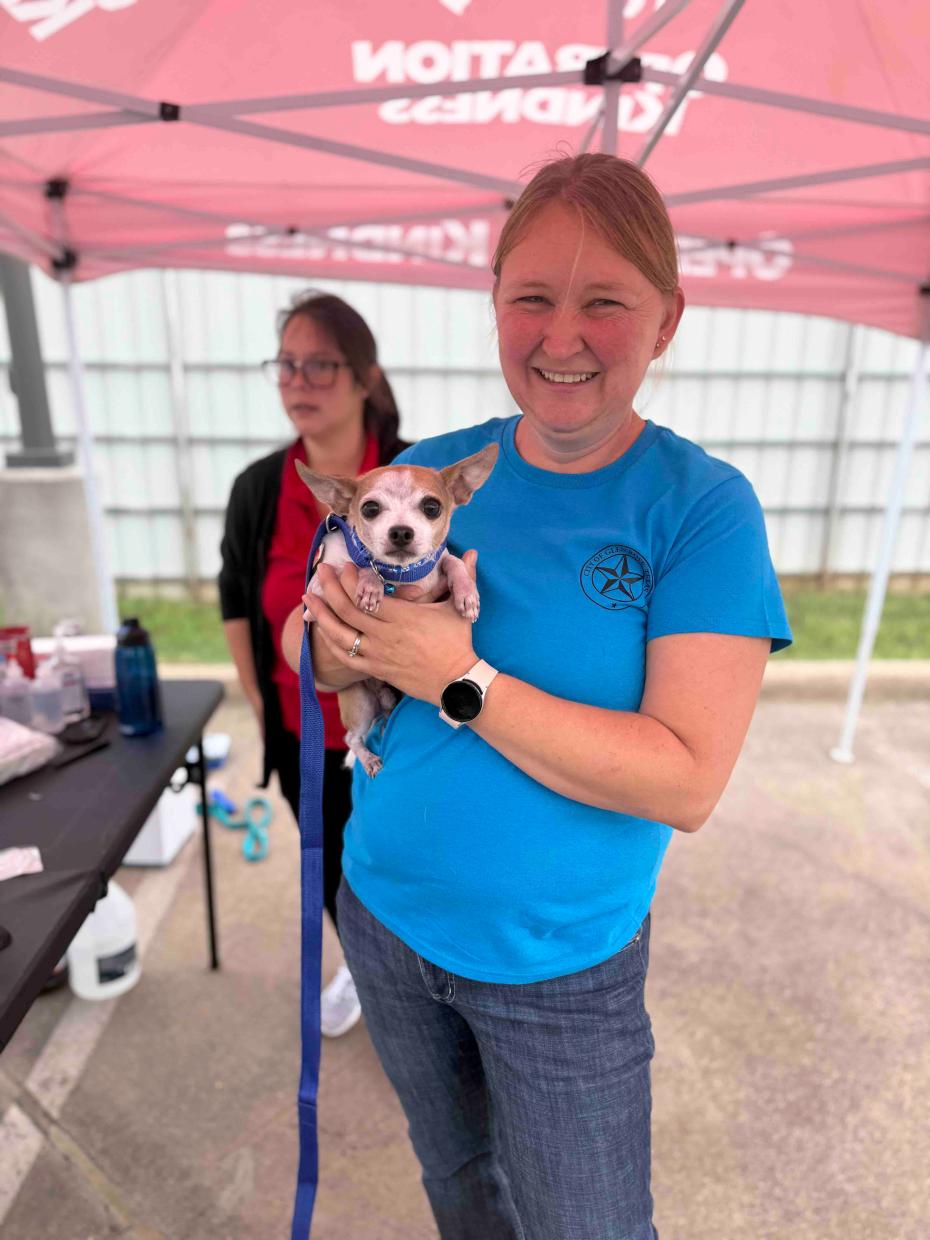
‘Working together, no-kill is never really out of reach.”
Christy Wilson remembers the time she worked for 418 days in a row. “I worked Sunday through Saturday. I didn't have a day off,” Christy says. “I was just stuck.”
Christy was the sole employee at Glen Rose Animal Control in Texas, and she felt very much alone. At the time, Glen Rose was saving fewer than half of the pets entering the shelter, something Christy attributes at least in part to her isolation. “I couldn't get my head above the water,” she recalls. “I felt like I was sinking.”
That changed in 2024 when Christy connected with Operation Kindness, through Best Friends' shelter collaborative program, which pairs mentors from no-kill shelters with their colleagues from shelters that aren’t yet no-kill.
Soon, Christy launched a foster program, began hosting adoption events, and hired an additional staff member. She worked with Operation Kindness to develop, nurture, and grow transfer partnerships that got cats and dogs into rescue. A new community cat program meant saving another 20-30 cats per month.
Now Glen Rose has a save rate of 87%. Christy is still working, with her partners, her staff member, and her community, to save even more cats and dogs. She feels confident that she and her team can and will achieve no-kill.
“The advice that I would give a shelter leader that thinks that no-kill is out of reach, is that it is never out of reach. You just need to get yourself a partnership and a good team," Christy says.
You are essential to lifesaving — and you don’t have to do it alone. If you are not yet a Best Friends Network Partner, join today and gain the individualized support of our experts who can help you identify and overcome challenges.
Intake remains steady: Intake remained stable in 2025 — which makes the increase in lifesaving even more striking.
In 2024, just under 4.8 million pets entered U.S. shelters. The preliminary data suggests that approximately 4.7 million cats and dogs entered U.S. shelters in 2025 — with cats making up an estimated 48% of intake, and the remaining 52% of intake being dogs.
Working to keep pets with their families, get more lost pets back home, and support community members in rehoming pets without them entering the shelter, can lead to responsibly decreased intake and increases in pet lifesaving.
Here are just a few of the resources on the Best Friends Network to help you save more lives:
The lifesaving progress reflected in this data reflects the lifesaving programs you implemented and grew, the partnerships you built and nurtured, the ways you engaged your community, and your tireless work to save the dogs and cats who need you.
Today, our commitment to helping every shelter and community reach and sustain no-kill has never been stronger. We’ll keep that momentum going until it’s the norm everywhere.