Spay and neuter is one of the greatest gifts you can give your pet, your fam­ily, and your community

These routine medical procedures not only reduce the number of animals who enter shelters, but they can also prevent medi­cal and behavioral problems from developing, allowing your pet to lead a longer, healthier, and happier life.

 

cat and dog icons wearing cone collars

Quick facts about spay and neuter

Pets who are spayed or neutered are more likely to be adopted:
  • Cats and dogs who enter the shelter/rescue system spayed or neutered are about 25% more likely to be adopted than cats and dogs who aren’t already spayed or neutered.
  • Cats and dogs who aren’t spayed or neutered when they enter the shelter/rescue system are about twice as likely to lose their lives in the shelter than cats and dogs who enter spayed or neutered.
  • Cats and dogs who enter the shelter/rescue system spayed or neutered spend on average five fewer days in care than cats and dogs who aren’t already spayed or neutered (18 days versus 23 days).

What is spay and neuter?

Simply put, the word “spay” is the common term for surgery to remove a female animal’s uterus and ovaries, so she cannot get pregnant. The word “neuter” technically refers to surgery for either a male or female animal. But in the U.S., the term is most commonly used for the procedure to castrate a male animal by removing his testicles.

While spay and neuter are the most common terms used to describe the removal of sex organs from a male or female animal, synonyms include sterilize, fix, castrate, unsex, desex, alter, cut, and change.

Spay and neuter surgeries are performed by veterinarians. Both surgeries are done with the pets under anesthesia, so they don’t feel any pain.

Why spay or neuter a dog or cat?

There are several reasons why having your pets spayed or neutered is important. First, it helps to reduce the number of homeless pets who are killed in shelters. In 2024, nearly 1,200 dogs and cats were killed every day in U.S. shelters simply because there wasn’t enough space for all of them. 

By having your pets spayed or neutered, you are preventing them from producing potentially dozens of offspring — who might end up neglected, abused, or in shelters. Sterilization directly impacts the number of animals who are killed in our nation's shelters by reducing the number of pets entering shelters and freeing up homes for homeless pets who are already born. 

By getting your pet fixed, together we can Save Them All.

Spay and neuter programs are critical to achieving no-kill

When you choose to neuter or spay your pet, you are directly affecting the amount of space available at shelters for deserving homeless animals. By sterilizing pets, you make it impossible for them to have unwanted litters.

Today, there is simply not enough space in U.S. shelters for all homeless pets. In fact, while many shelters are at or beyond capacity year-round, it is especially problematic in the warmer months, when cats living outdoors have countless litters of kittens. Orphaned kittens who come to shelters still in need of being bottle-fed are at risk of being killed if there are no resources available to care for them.

Best Friends has helped reduce the number of dogs and cats killed in shelters nationwide from an estimated 17 million when we were founded in 1984 to 425,000 in 2024. But that's still far too many pets losing their lives simply because they don't have safe places to call home. With more room in shelters, we can save more pets — which is why spaying and neutering animals is so important.

What are the benefits of spay and neuter?

Spaying or neutering is unlikely to change a pet's temperament, basic personality, or levels of playfulness and general activity. However, it can reduce the incidence of some behavioral issues, especially sexual behaviors, such as mounting, howling, and the urge to roam. And despite what some believe, pets show no signs of "missing" mating or breeding.

There are other benefits of spaying and neutering for pets, their families, local shelters, and the entire community.

When female pets are spayed, they:

  • Have no risk of uterine infections and ovarian or uterine cancer
  • Have a greatly reduced risk of breast cancer
  • Do not go into estrous or heat, which means they will not have bloody discharge or attract unwanted attention from male pets
  • Have no risk of accidentally getting pregnant

When male pets are neutered, they:

  • Have a reduced risk of testicular cancer
  • Are much less likely to spray or urine-mark in their home
  • Are less likely to attempt to escape their yard or home in search of a mate
  • Are unable to impregnate female pets
  • Are less likely to bite or exhibit aggressive behavior (with studies showing that most dog bites on humans are from unneutered dogs)
     

How much does it cost to spay or neuter a pet?

The price to neuter or spay a pet varies widely around the country. Some vets might charge additional fees for things such as pre-anesthesia blood work to ensure the pet’s liver and other organs are functioning properly. And many other factors affect what a veterinarian in private practice might charge.

Low-cost spay/neuter clinics

There are many organizations, animal shelters, and veterinarians across the U.S. that will spay or neuter your pet at a low cost or even for free. Contact your local animal shelter, rescue group, or veterinarian, and tell them that you are looking for discounted or low-cost spay/neuter services.

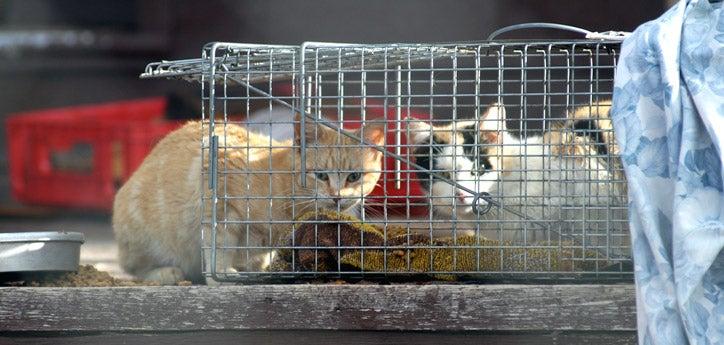
If you want to help reduce the number of unwanted kittens in your community by having cats living outdoors spayed or neutered, some animal welfare groups and vet clinics offer discounted spay/neuter services for this purpose. Contact them directly or a local cat rescue group that does trap-neuter-vaccinate-return (TNVR). Cat rescue groups also often will loan you humane traps and guide you through the process of trapping and taking the cats to a clinic. And they can offer guidance and assistance when it’s time to return the cats to their outdoor homes.

How Best Friends Animal Society supports spay/neuter

Here are just a few of the things Best Friends Animal Society is doing to increase the number of animals being spayed and neutered:

  • Promoting trap-neuter-vaccinate-return (TNVR) of cats through our cat initiatives. What is TNVR and why is it important? Read FAQs about TNVR.
  • Holding events in communities to promote spaying and neutering of pit bull terriers-like dogs
  • Supporting spay/neuter programming in Philadelphia, Pennsylvania; Tucson, Arizona; and Las Vegas, Nevada, via grants

Best Friends Animal Society spay and neuter programs

At Best Friends Animal Society, we believe that spaying and neutering pets is fundamental to reaching our goal to Save Them All. Best Friends encourages people to spay or neuter their pets before they are 4 months old because cats can get pregnant as early as 4 months and dogs can begin having puppies as soon as they are 6 months old. In addition, we promote TNVR through our cat initiatives and support spay/neuter programming across the country in various cities. To that end, Best Friends operates spay/neuter clinics in Utah and Los Angeles that offer low-income spay and neuter services at discounted prices. Here’s some information about them:

  • Best Friends Animal Sanctuary in Kanab, Utah: Discounted spay/neuter surgeries are available at the Best Friends Animal Clinic for residents of Kanab, Utah, and the surrounding area. Learn more.
  • Best Friends Pet Adoption Center in Los Angeles: As part of Best Friends’ efforts to make Los Angeles a no-kill city, the Best Friends Pet Adoption Center is dedicated to making spay/neuter accessible to all L.A. residents, regardless of income. Contact us at the Best Friends Pet Adoption Center to learn more.
  • Best Friends in Salt Lake City: Making free and low-cost spay/neuter accessible to Utah residents is a key part of Best Friends’ NKUT (No-Kill Utah) initiative. Since 2010, the Best Friends Spay and Neuter Clinic in Orem, Utah, has performed more than 60,000 spay/neuter surgeries. Contact us for help finding services in and around Salt Lake City.

Best Friends Network spay/neuter programs

Best Friends understands that spay/neuter organizations and programs are a critical component in the mission to save homeless pets. That’s why, through the Best Friends Network, we provide grant opportunities to our network partners that offer spay/neuter and/or TNVR services in their communities.

The goal of the Best Friends Network is to work in collaboration with local shelters and animal rescue organizations to end the killing in America’s shelters, with the belief that we save more lives when we work together.

Best Friends’ thousands of network partners across the country help save multitudes of homeless pets in their communities by providing spay/neuter and TNVR services and also by educating their communities about the importance of spaying and neutering.

Distance
Units: Miles
Address, City, Zip-Code, Country, ...

Hear from our spay and neuter experts

Our veterinarians and animal behavior specialists have come together to offer the best spay and neuter information to keep pets happy, healthy, and at home.

Spay and Neuter
Best Friends Animal Society logo mark

About Best Friends Animal Society

Best Friends is working to end the killing of dogs and cats in U.S. shelters in part by getting more pets out of shelters and into loving homes.

We’ve come a long way since the first known city reached no-kill in 1994, and now we’re closer than ever to making the entire country no-kill. Of the roughly 3,900 shelters operating in America today, 1,300 of them are not yet no-kill, but nearly half are close with 100 or fewer additional pets to be saved, and we know what to do to get them there.

Best Friends is committed to working with passionate people like you to save homeless pets through adoption, volunteering, fostering, and advocacy. In addition to our lifesaving centers around the U.S, we also founded and run the nation's largest no-kill sanctuary for companion animals.

Working together, we can save homeless pets in our communities and secure a better future for our best friends. Together, we will bring the whole country to no-kill.