Faces of No-Kill: A tiny kitten with many helpers
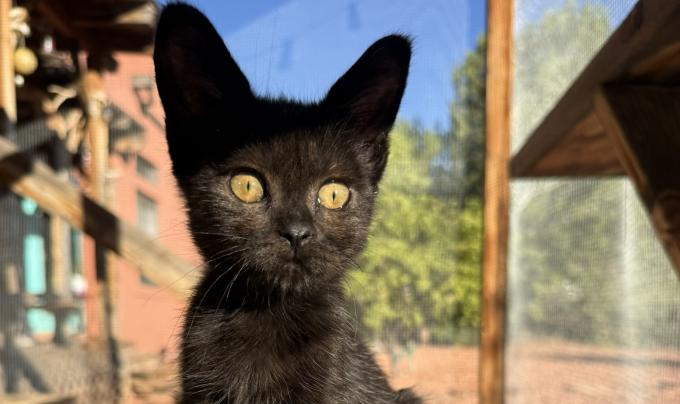
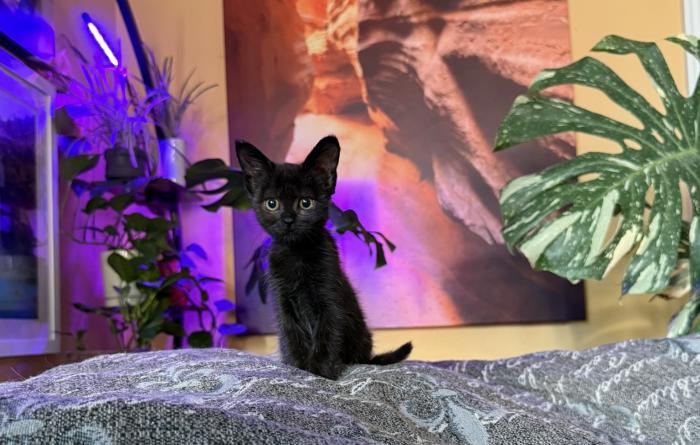
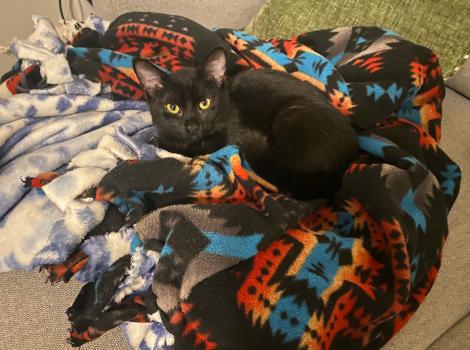
Snug as a bug beside her feline friend Gigi, Nosh takes a break from her usual kitten antics. Between wrestling with kitty friends, curling up with her people, and watching the world from her favorite spot on the couch, she's fully embraced kitten life.
It’s a far different life from when Nosh arrived at Best Friends Animal Sanctuary with a potentially life-threatening illness. And as Nosh’s happy purrs prove, all the dedicated care she received to get her to where she is today was more than worth it.
This story is a part of our Faces of No-Kill series, highlighting the journey of pets who lost their place to call home. These pets are thriving today thanks to animal shelters that said yes to lifesaving with a community that found a way to save them. Best Friends’ goal is for every shelter and every community to reach no-kill, and this story shows why that’s so important.
Care morning, noon, and night
Nosh came to the Sanctuary from a shelter after being diagnosed with feline panleukopenia virus, which is highly contagious and can severely affect kittens. The virus attacks cells in the body and weakens the immune system.
While many shelters don’t have the resources or staff to provide round-the-clock care for kittens with panleukopenia, the Sanctuary can do just that. It’s one of the ways Best Friends supports shelters in saving pets’ lives.
VIDEO: behind the scenes in Cat World at Best Friends Animal Sanctuary
Treatment focused on fluids, nutrition, medications, and constant monitoring to give Nosh the best chance to recover. Because she was so young, she couldn't simply be tucked in for the night. So in the wee hours of the morning, caregivers returned to the Sanctuary clinic for feedings and care.
After a few weeks of round-the-clock care, Nosh was feeling better and ready to leave the clinic. Next stop: a foster home, where she could continue to heal, grow, and get up to her kitten antics.

Healing at home
When Nosh needed a foster home, Best Friends staff person Jill Williams didn't have to think twice. She brought her husband to the Sanctuary to meet Nosh, and shortly after the tiny kitten was headed home with them.
Jill, her husband, and her two sons have cared for many foster pets over the years. She calls it a rewarding experience, especially for her kids as they’ve grown up and taken on more responsibilities.
Swift teamwork saves kittens with a deadly virus
But fostering a kitten with medical needs was a new frontier for Jill. Giving medications and administering fluids felt intimidating. But the Best Friends veterinary team showed her exactly what to do, answered every question, and made sure she felt comfortable before Nosh went home with her.
No longer contagious with panleukopenia, Nosh could play with Jill’s adopted kitten Gigi. Where Gigi is rambunctious and mischievous, Nosh approached home life with a bit more caution. She preferred to snuggle up on a pillow and enjoy a few gentle scritches.
Before long, the things that had felt intimidating became part of the family's routine, and Nosh continued growing stronger every day.

It takes a village
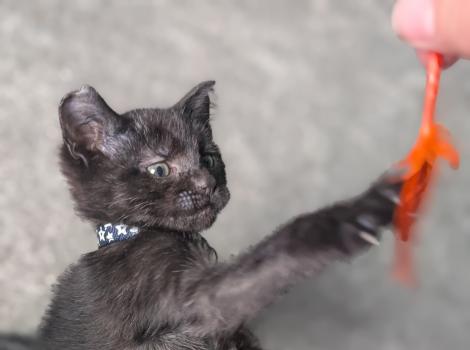
Looking at Nosh now, healthy and spending her days chasing toys, cuddling Gigi, and curling up beside her favorite people, it’s hard to imagine the teeny kitten who once needed round-the-clock care.
Getting her to this point took a village: veterinary staff to treat her illness, caregivers to check on her throughout the night and help her through the toughest days of recovery, and Jill and her family to step up to foster her so she could continue healing in the comfort of a home.
And speaking of the comforts of home, Jill and her family fell in love and adopted Nosh. She’s home for good.

Let's make every shelter and every community no-kill
Our goal at Best Friends is to support all animal shelters in the U.S. in reaching no-kill. No-kill means saving every dog and cat in a shelter who can be saved, accounting for community safety and good quality of life for pets.
Shelter staff can’t do it alone. Saving animals in shelters is everyone’s responsibility, and it takes support and participation from the community. No-kill is possible when we work together thoughtfully, honestly, and collaboratively.
You can help save homeless pets
You can help end the killing in shelters and save the lives of homeless pets when you foster, adopt, and advocate for the dogs and cats who need it most.


Saving lives around the country
Together, we're creating compassionate no-kill communities nationwide for pets and the people who care for them.
Get inspiring animal rescue stories delivered straight to your inbox
Never miss a feel-good animal story. When you give us your email, we’ll send you inspiring animal rescue stories each week, along with tips on different ways you can help save homeless pets in your community and beyond.