Book review: ‘The Butterfly Season’
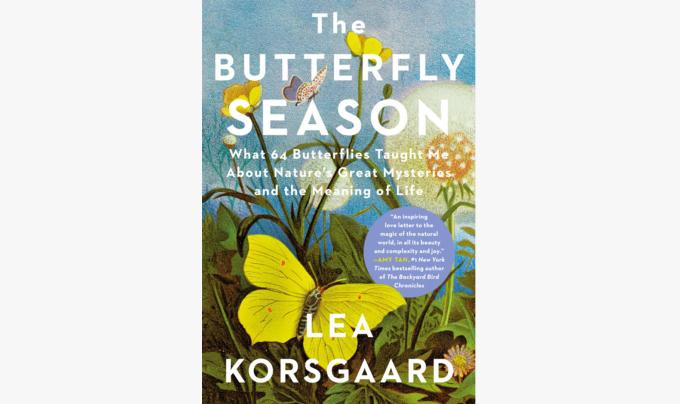
The Butterfly Season: What 64 Butterflies Taught Me About Nature’s Greatest Mysteries and the Meaning of Life by Lea Korsgaard. Knopf, 2026. Hardcover, 320 pages.
On a cold and dismal January morning, Danish journalist Lea Korsgaard decided on a project for the year ahead. Although she had, at best, a rudimentary knowledge of butterflies, she felt inexplicably drawn to one of nature’s most beautiful and fragile creatures. With a list of the 64 types of butterflies native to Denmark, she set forth to see all of them in one year.
Although the more prolific types were relatively easy to find and document, many were more exotic or were around for just a few months. As Lea delved deeper into her subject, she found help along the way from other butterfly enthusiasts and academics.
At the end of her quest, she came away with much more than she could have envisioned at the beginning. Because some of the butterflies were endangered or vanishing or were found only in remote areas of Denmark, she soon realized that, like butterflies, the natural world itself was fragile and in need of care.
As one might expect from someone who makes her living through words, Lea is a writer who elegantly spins her tale of not only a fragile creature but also of the fragile world in which we all live.
Are you the author or publisher of a book about animals that you would like considered for review? Please send the details to editor@bestfriends.org.
Let's make every shelter and every community no-kill
Our goal at Best Friends is to support all animal shelters in the U.S. in reaching no-kill. No-kill means saving every dog and cat in a shelter who can be saved, accounting for community safety and good quality of life for pets.
Shelter staff can’t do it alone. Saving animals in shelters is everyone’s responsibility, and it takes support and participation from the community. No-kill is possible when we work together thoughtfully, honestly, and collaboratively.
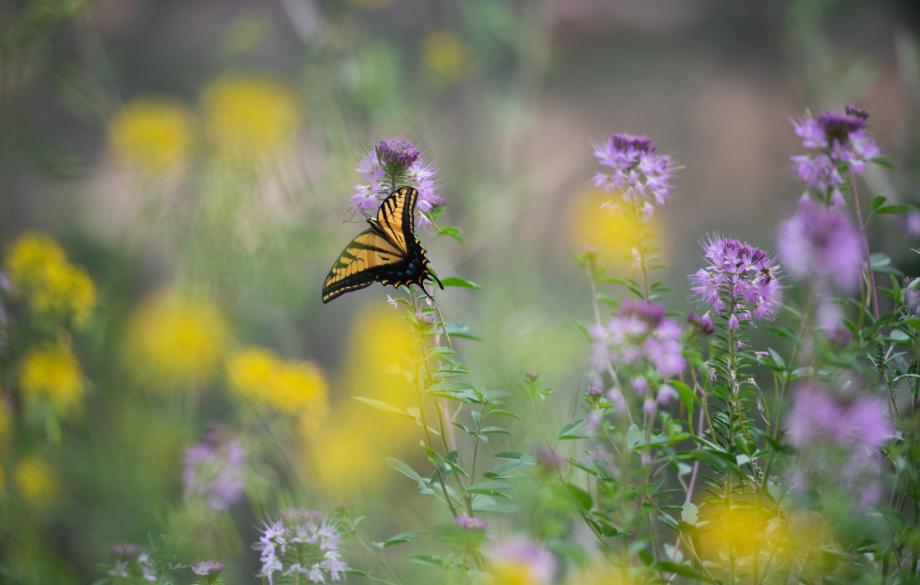

You can help save homeless pets
You can help end the killing in shelters and save the lives of homeless pets when you foster, adopt, and advocate for the dogs and cats who need it most.
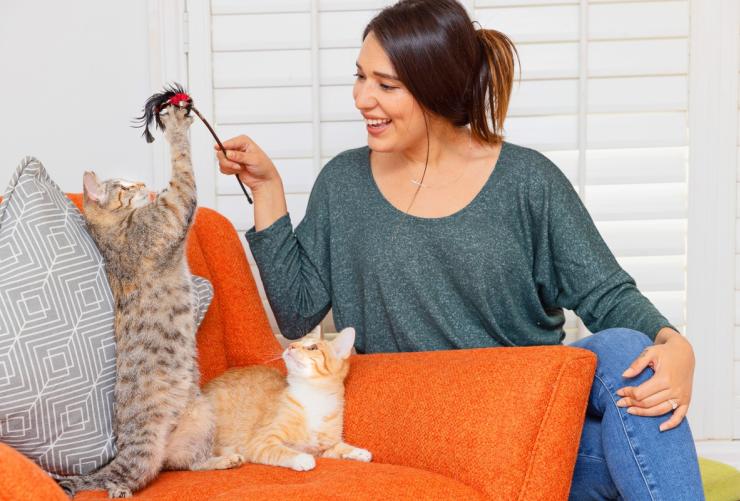
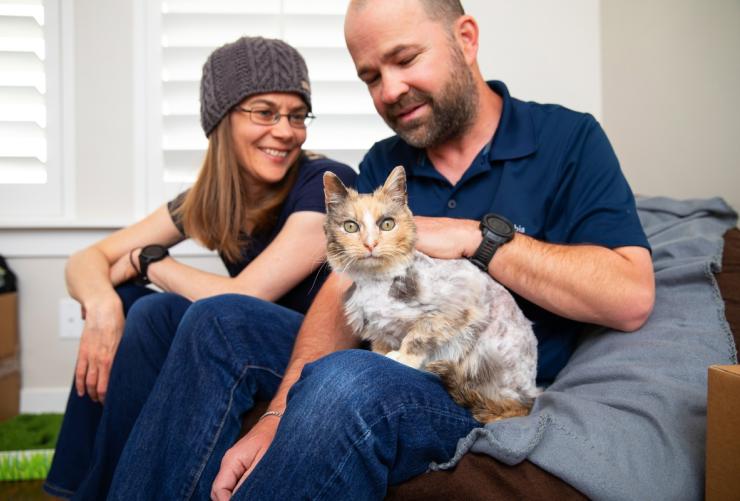
Saving lives around the country
Together, we're creating compassionate no-kill communities nationwide for pets and the people who care for them.
Get inspiring animal rescue stories delivered straight to your inbox
Never miss a feel-good animal story. When you give us your email, we’ll send you inspiring animal rescue stories each week, along with tips on different ways you can help save homeless pets in your community and beyond.