Faces of No-Kill: Ace the dog and the art of saying no
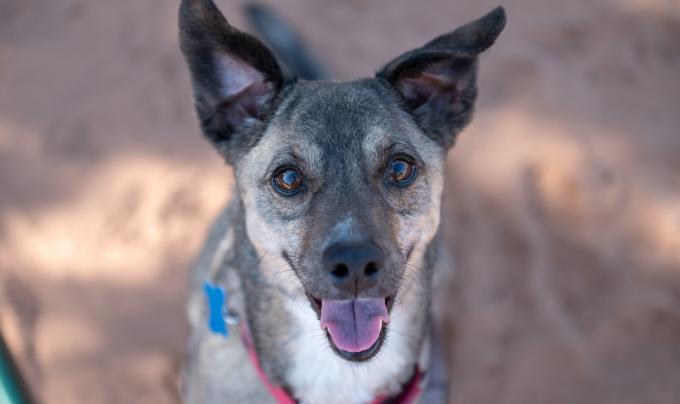
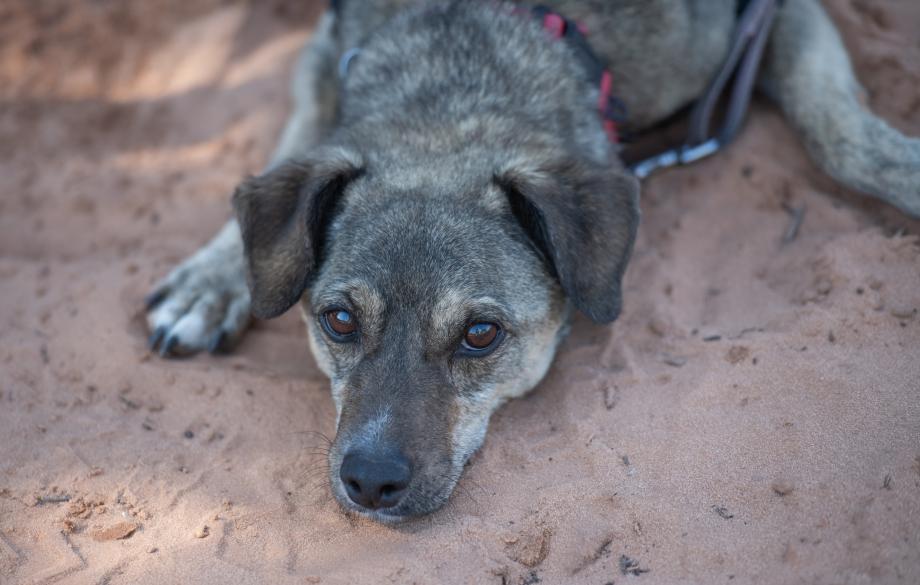
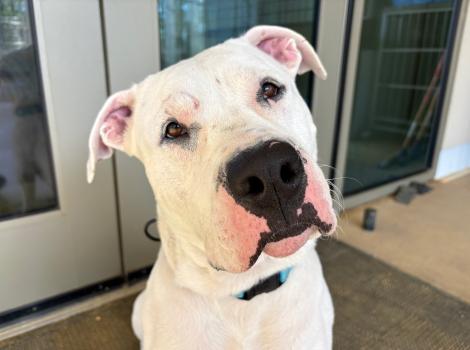
Tongue lolling to the side and ears flopping as he trots, Ace lifts his nose to the breeze and catches all the scents of the walking trail at Best Friends Animal Sanctuary in Kanab, Utah — maybe a deer, another dog who walked by, or just a favorite spot to flop down for some affection from local volunteer Matt Fisher on their morning walk.
Ace came to the Sanctuary in need of some behavior support due to a history of reacting when he’s handled without warning, enough that a typical home isn’t a safe fit for him. He’s a 20-pound bundle of big opinions, especially when it comes to physical touch. Scritches behind the ears? Absolutely. His feet? No, thanks, he’ll remove those pesky pebbles and prickly bits on his own. His home is the Sanctuary, where he can set clear boundaries and still safely explore his world with those around him.
This story is a part of our Faces of No-Kill series, highlighting the journey of pets who lost their place to call home. These pets are thriving today thanks to animal shelters that said yes to lifesaving with a community that found a way to save them. Best Friends’ goal is for every shelter and every community to reach no-kill, and this story shows why that’s so important.
One smart cookie
Ask any of Ace’s circle of friends how they’d describe him, and they’d all come back with the same phrase: smart as a tack. Caregivers love to challenge his smarts throughout the day in different ways, starting out with his morning meal. “He loves food puzzles,” Best Friends caregiver Crysteena Tillie says. Ace has mastered every puzzle she’s hidden his food inside.
Using Food Puzzles for Dogs, Cats, and Other Pets
“The best part is that he genuinely figures it out. He doesn’t force it open by slamming it on the ground,” Crysteena says. Some puzzles may take him longer than others to figure out, but rest assured, this smart cookie has never been bested by a puzzle.
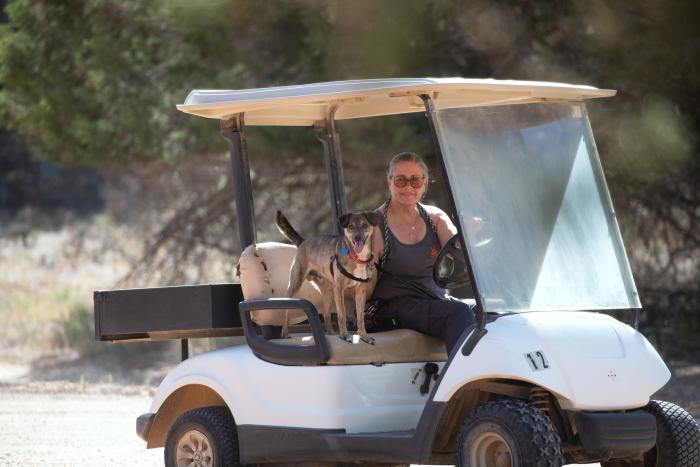
And food puzzles aren’t the only way Ace’s caregivers have learned what makes him tick. His daily routine includes a golf cart ride (Ace’s favorite), a walk down the hiking trail at the Sanctuary (Ace’s second favorite), and a car ride with his pal Matt (Ace’s most favorite).
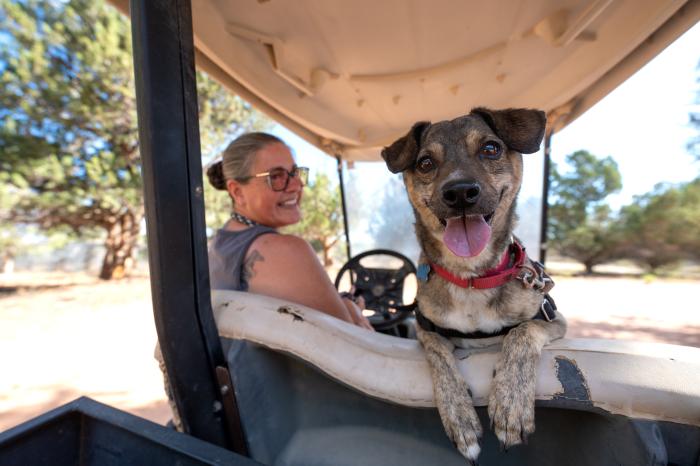
BFFs: Best friends, full stop
Ace’s best buddy Matt was once a caregiver at the Sanctuary, but now, years after he retired, he still shows up for their walks, their car rides, and their outings to Matt’s house to enjoy a roll on the grass or a morning hangout on the couch. “These dogs just need someone to show up for them, to take the world at their pace,” Matt says.
Ten things you can do to show your pets you love them
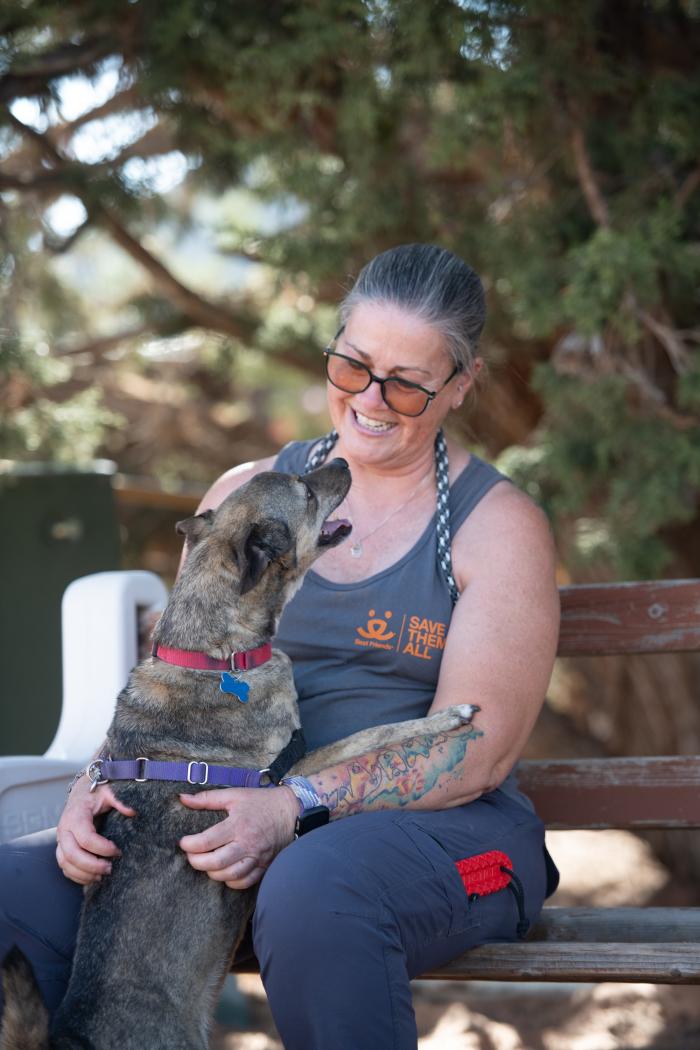
Along the trails of the Sanctuary, benches dot the picturesque scenery every so often, and Ace stops at each one, waiting for Matt to kneel down to rub his head. “I’ve accidentally trained him on our walks that we stop at every bench for some affection,” Matt says. Matt will tell you he’s not one for small dogs, but Ace has proven to be the exception.
No thanks, Ace’s got it
Remember how Ace feels about his feet? Being picked up gets the same no thanks. He may be on the smaller side, but he gets where he’s going under his own power — which is why Crysteena doesn’t invite him onto her lap. Once Ace is settled in with someone scratching his ears, he has no reason on earth to move, and lifting him down would mean exactly the kind of handling he’d rather skip. Instead, he gets his ear scratches sitting next to her.
Caregivers bring that same respect to everyday handling. When he gets wiggly, they know that giving him a moment to settle and asking him to sit can make all the difference. Likewise, before clipping on his harness, they pause and let Ace take a breath. Once he’s ready, he’s ready, and they’re off to explore one of the many trails around the Sanctuary.
Ace’s fun-filled life
The Sanctuary is Ace’s long-term home, and he certainly enjoys the comforts of life with his friends: golf cart rides to see the sights of the Sanctuary, training sessions to work his brain, and long hikes where he just might see a deer or two.
And then there are the little signs that Ace knows exactly who his people are: the way he gets wiggly with excitement when his caregivers arrive in the morning, the way he settles in when he’s with Matt, and the way he confidently communicates what he does — and doesn’t — want.
It’s a life full of the things Ace loves, made possible by people who know his quirks, respect his boundaries, and give him the time he needs. He may not be headed for a traditional home, but Ace has something just as important: a home at the Sanctuary where he can be completely, wonderfully Ace.
Let's make every shelter and every community no-kill
Our goal at Best Friends is to support all animal shelters in the U.S. in reaching no-kill. No-kill means saving every dog and cat in a shelter who can be saved, accounting for community safety and good quality of life for pets.
Shelter staff can’t do it alone. Saving animals in shelters is everyone’s responsibility, and it takes support and participation from the community. No-kill is possible when we work together thoughtfully, honestly, and collaboratively.

You can help save homeless pets
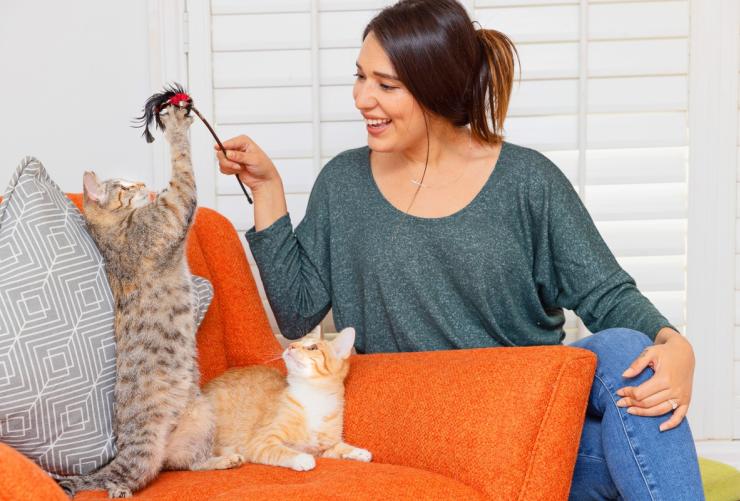
You can help end the killing in shelters and save the lives of homeless pets when you foster, adopt, and advocate for the dogs and cats who need it most.

Saving lives around the country
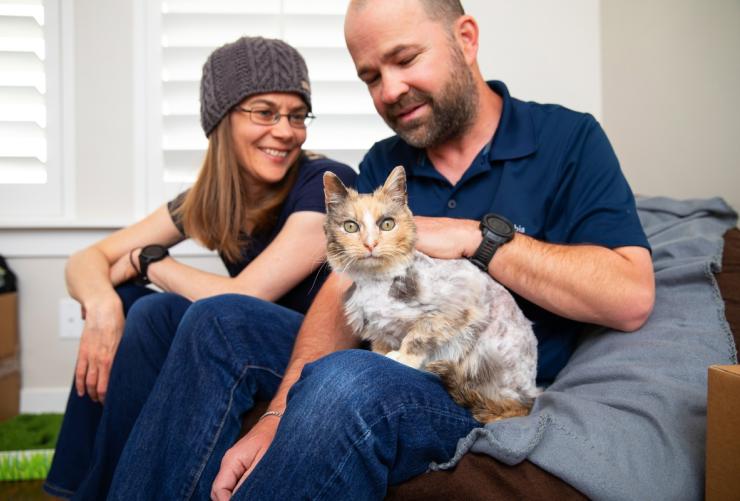
Together, we're creating compassionate no-kill communities nationwide for pets and the people who care for them.

Get inspiring animal rescue stories delivered straight to your inbox
Never miss a feel-good animal story. When you give us your email, we’ll send you inspiring animal rescue stories each week, along with tips on different ways you can help save homeless pets in your community and beyond.