Book review: ‘Lucky Break’

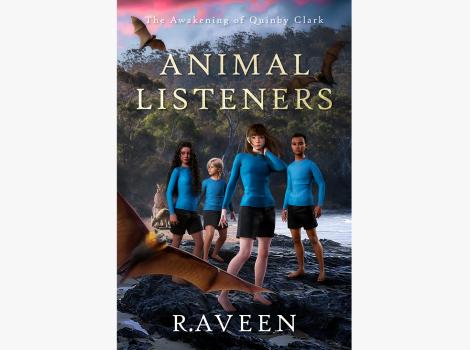
Lucky Break by Jaclyn Westlake. HarperCollins, 2025. Softcover, 352 pages.
What's not to love about a novel that the author dedicates to pets in shelters and her own senior dog? Pick up a copy of Jaclyn Westlake’s new book Lucky Break and discover even more canine characters in this feel-good read.
Following up her debut Dear Dotty (reviewed here last year), the author again introduces readers to a 30-something protagonist at a crossroads. Trying to make a fresh start after breaking up with her fiancé, Eliza leaves her close-knit family behind in San Francisco and buys a lakeside home in a small Minnesota town where she can work remotely, immerse herself in neighborhood goings-on, and fall in love with a three-legged bundle of canine joy adopted from a rescue group for dogs with special needs.
However, all is not as cozy in Juneberry Lake as Eliza had hoped. Her somewhat aloof neighbors are less than welcoming upon her arrival (and it isn’t until near the end of this engaging novel that we learn why). Neighbors aside, Eliza has plenty to occupy her time. While spending her days working on her laptop in a local coffee shop, she meets Joel, another newcomer, who more than willingly helps her settle into her new home and forget her ex. When not working or falling in love, Eliza becomes a daily dog walker for a small dog rescue group run by two neighbors.
Lucky Break is both entertaining and thoughtful. More than a romance novel, it is an exploration of what — and who — actually makes a community. The characters are refreshingly diverse, with different ethnicities, identities, and abilities. All in all, Lucky Break is a well-told story that will warm readers’ hearts.
Are you the author or publisher of a book about animals that you would like considered for review? Please send the details to editor@bestfriends.org.
Let's make every shelter and every community no-kill
Our goal at Best Friends is to support all animal shelters in the U.S. in reaching no-kill. No-kill means saving every dog and cat in a shelter who can be saved, accounting for community safety and good quality of life for pets.
Shelter staff can’t do it alone. Saving animals in shelters is everyone’s responsibility, and it takes support and participation from the community. No-kill is possible when we work together thoughtfully, honestly, and collaboratively.

You can help save homeless pets
You can help end the killing in shelters and save the lives of homeless pets when you foster, adopt, and advocate for the dogs and cats who need it most.


Saving lives around the country
Together, we're creating compassionate no-kill communities nationwide for pets and the people who care for them.


Let’s be friends!
Connect with us on social media to stay in the loop about the lifesaving progress we’re making together.


