Book review: ‘Lulu Didn’t Want a Dog’ and ‘Van Gogh’s Dog’
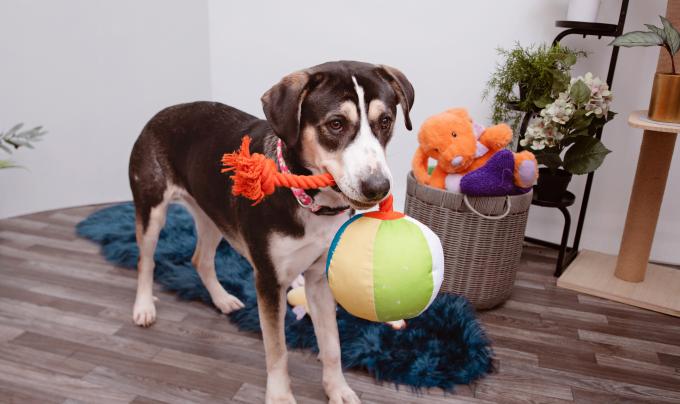
Lulu Didn’t Want a Dog by Laurel Molk. Random House Studio, 2026. Hardcover, 40 pages.
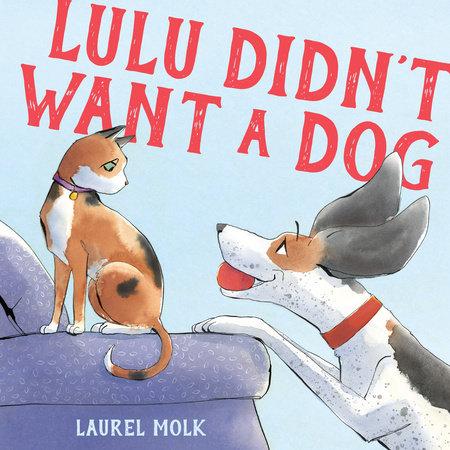
Lulu was a happy cat. She had a sunny place to nap, good food, and her person’s comfortable lap to curl up on at night.
So it wasn’t any degree of pleasure to hear her person say she was adopting a dog to keep Lulu company. Lulu didn’t want company, especially when it arrived as Gus, a big, hairy dog who wanted to be Lulu’s new best friend. He drooled, slobbered, and became Lulu’s constant companion.
How these two strange bedfellows come to become buddies is the theme of Laurel Molk’s charmingly illustrated and written picture book for readers ages 4 to 8. Besides being a delightful tale about animals, Lulu Didn’t Want a Dog touches on subjects such as a new sibling in the household and inclusion.
Van Gogh’s Dog by Georgia Larson with illustrations by Grace Helmer. Random House Studio, 2026. Hardcover, 32 pages.
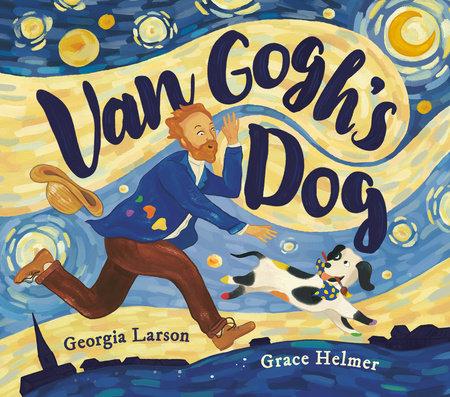
A picture might be worth a thousand words, but in Van Gogh’s Dog, text and illustrations combine to provide a fanciful story about how the Dutch painter gained inspiration from a spunky little dog.
As the book opens, a despondent Van Gogh wonders where his inspiration will come from. At that moment, a small dog grabs his paintbrush and leads the artist on a merry chase throughout the village. Through a field of sunflowers, to a café, and finally to a river under a starry night sky, the spirited canine leads Van Gogh to many scenes that would become several of his most well-known paintings.
Stretching credibility? Yes, but this book, aimed at an audience ages 4 to 8, introduces children to a famous artist through a whimsical tale. This unusual approach makes for good storytelling.
Are you the author or publisher of a book about animals that you would like considered for review? Please send the details to editor@bestfriends.org.
Let's make every shelter and every community no-kill
Our goal at Best Friends is to support all animal shelters in the U.S. in reaching no-kill. No-kill means saving every dog and cat in a shelter who can be saved, accounting for community safety and good quality of life for pets.
Shelter staff can’t do it alone. Saving animals in shelters is everyone’s responsibility, and it takes support and participation from the community. No-kill is possible when we work together thoughtfully, honestly, and collaboratively.
You can help save homeless pets
You can help end the killing in shelters and save the lives of homeless pets when you foster, adopt, and advocate for the dogs and cats who need it most.


Saving lives around the country
Together, we're creating compassionate no-kill communities nationwide for pets and the people who care for them.
Get inspiring animal rescue stories delivered straight to your inbox
Never miss a feel-good animal story. When you give us your email, we’ll send you inspiring animal rescue stories each week, along with tips on different ways you can help save homeless pets in your community and beyond.