Book review: ‘Think Like a Dog’
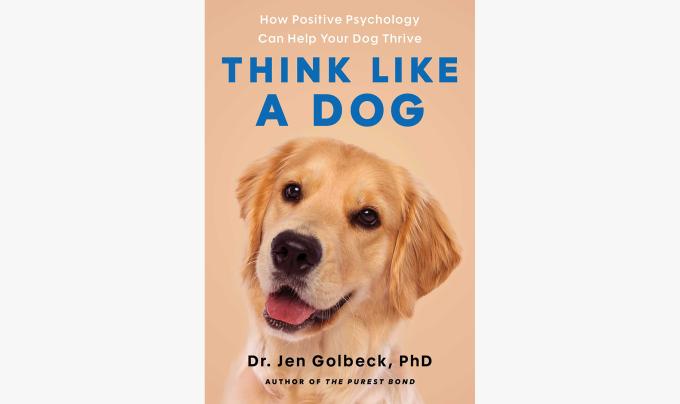
Think Like a Dog: How Positive Psychology Can Help Your Dog Thrive by Jen Golbeck. Simon and Schuster, 2026. Hardcover, 224 pages.
Jen Golbeck, author of Think Like a Dog: How Positive Psychology Can Help Your Dog Thrive, knows what she is talking about. A scientist and trusted authority on canine behavior, Jen is also the person behind The Golden Ratio on social media, where she shares stories about her family of rescued golden retrievers who have special needs.
In this follow-up to The Purest Bond: Understanding the Human-Canine Connection, Jen continues to explore how we interact with our beloved dogs and how to enhance that relationship.
Readers familiar with her research — a combination of neuroscience and anecdotal evidence — will know that Jen approaches what most would call “problem-solving” from a positive perspective. Rather than focusing on a dog’s inappropriate behaviors, she looks at a dog’s strengths and builds on them to elicit desired outcomes.
What sounds like common sense is, in reality, a ground-breaking approach based on our ever-evolving knowledge of canine cognition. Jen is that rare individual who can mix neuroscience and stories about her own and others’ dogs and come up with a book that is enlightening and enjoyable to read.
Are you the author or publisher of a book about animals that you would like considered for review? Please send the details to editor@bestfriends.org.
Let's make every shelter and every community no-kill
Our goal at Best Friends is to support all animal shelters in the U.S. in reaching no-kill. No-kill means saving every dog and cat in a shelter who can be saved, accounting for community safety and good quality of life for pets.
Shelter staff can’t do it alone. Saving animals in shelters is everyone’s responsibility, and it takes support and participation from the community. No-kill is possible when we work together thoughtfully, honestly, and collaboratively.


You can help save homeless pets
You can help end the killing in shelters and save the lives of homeless pets when you foster, adopt, and advocate for the dogs and cats who need it most.

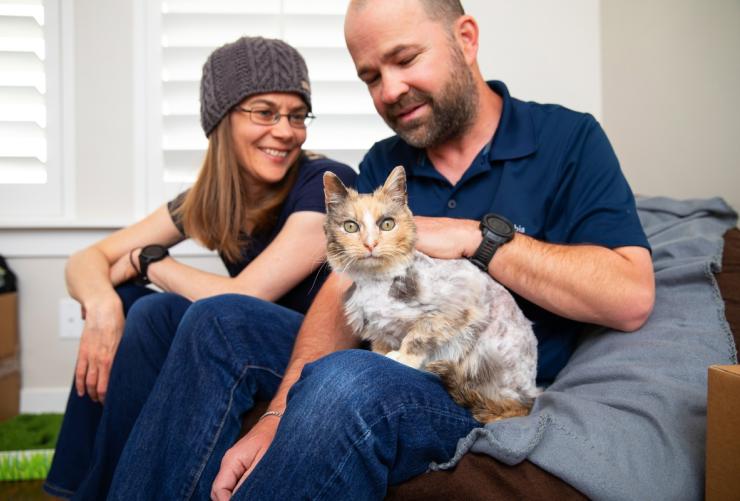

Saving lives around the country
Together, we're creating compassionate no-kill communities nationwide for pets and the people who care for them.

Get inspiring animal rescue stories delivered straight to your inbox
Never miss a feel-good animal story. When you give us your email, we’ll send you inspiring animal rescue stories each week, along with tips on different ways you can help save homeless pets in your community and beyond.