Amid Expanding Wildfires, Best Friends Animal Society Provides on the Ground Aid to Spokane County, Wash.
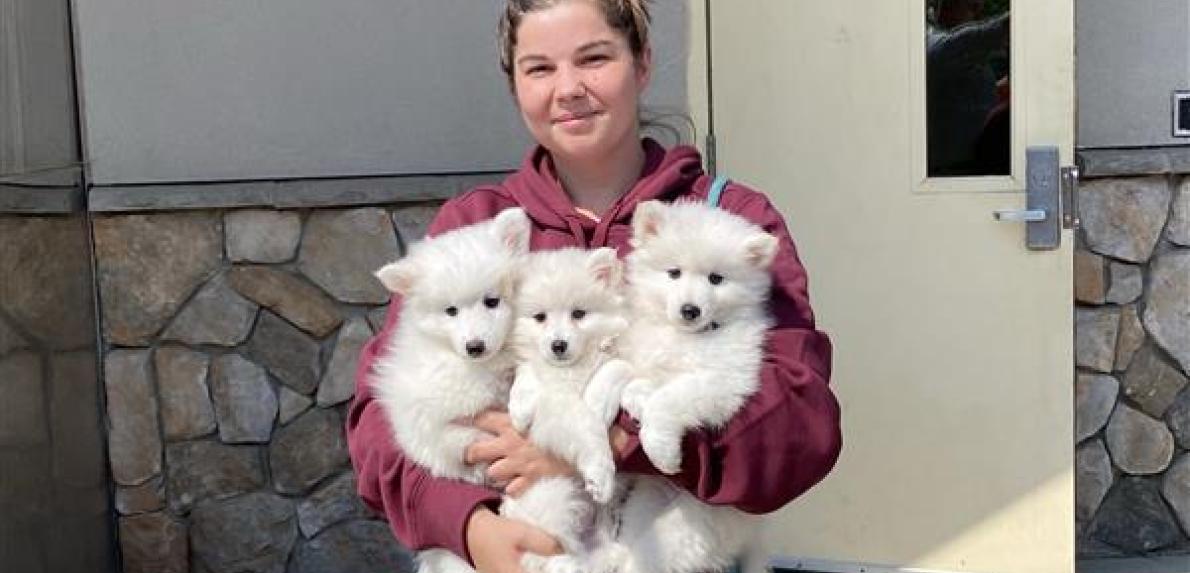
In response to wildfires that began ravaging the Spokane, Wash. region on Saturday, August 1, national nonprofit Best Friends Animal Society was asked by the Washington Emergency Management Division to lead the Washington State Pet Task Force. Best Friends Animal Society is now leading the companion animal response statewide alongside emergency management and response partners.
As an estimated 65,000 residents are under evacuation order, many are left unsure of where to go and what to bring for their pets during an emergency of this magnitude. Impacted individuals can reach out to Best Friends Animal Society’s Spokane Wildfire Pet Support hotline at 509-267-4646. Here, residents will be connected with pet resources, reunification support, and community assistance.
Best Friends Animal Society is partnering with Spokane County Regional Animal Protection Service (SCRAPS) on a coordinated pet reunification strategy, including the use of game cameras to locate pets who were left behind. As shelter capacity for displaced dogs and cats remains a critical need, Best Friends Animal Society is working with local and national groups to help create space.
Disasters, like the Spokane Wildfires, also create urgent needs for pets including pet food and supplies, veterinary care, and temporary foster support to make space for displaced pets. Best Friends Animal Society is currently supporting evacuation shelter operations at the Spokane County Fairgrounds and Red Cross evacuation shelters to help facilitate pet reunification efforts. The national nonprofit will also be deploying volunteers to help distribute supplies to community members in need at the Spokane County Fairgrounds.
For those potentially at risk of evacuation, Best Friends Animal Society urges people with pets to create a disaster preparedness plan and “go-bag” in case an emergency occurs. Pet go-bag essentials include:
- A pet first aid kit, including an extra supply of any necessary medications, current vaccination records, a list of the pet’s medical needs and veterinarian’s number
- A 3–5-day supply of wet and/or dry food (and water, if possible)
- Pet toys and/or treats
- A collar with a current ID tag or microchip that includes person’s cellphone number
- A crate labeled with the pet’s name and contact information (use masking tape and a permanent marker)
- Consider placing a well-worn sweater or sweatshirt inside the crate so the pet has a familiar scent around them
- Extra poop bags
- For cats, a small bag of litter and litter pan
- Blanket and towels
- Bowl, can opener and spoon
Smoke inhalation is also a concern for many families with pets even if they have not been evacuated.
“If dogs or cats have been exposed to smoke from the Spokane wildfires, pet owners should be on the lookout for warning signs that include coughing, difficulty breathing, bright or cherry-red gums, eye irritation, and singed fur which can emerge up to 72 hours after exposure,” said Tiffany Deaton, Director, National Operations, Best Friends Animal Society. “Best Friends Animal Society, in a coordinated effort with the Spokane Emergency Operations Center, is working to identify veterinary clinics available to assist and treat pets impacted by the disaster.”
Helping pets and their families stay together is an essential step of keeping dogs and cats out of animal shelters and helping the country reach no-kill*, which means saving every healthy or treatable pet in shelters.
For those looking to help impacted pets and their people, monetary donations can be directed to Best Friends Animal Society’s Emergency Relief Fund to help provide immediate relief to pets and the people working tirelessly to save them.
To learn more about Best Friends Animal Society’s relief efforts for the Autumn Lane Fire, Fairview Fire and Old Trails Fires, visit bestfriends.org.
*No-kill is defined by a 90% or greater save rate or greater for pets entering a shelter and is a meaningful and common-sense benchmark for measuring lifesaving progress. Typically, the number of pets who are suffering from irreparable medical or behavioral issues that compromise their quality of life and prevent them from being rehomed is not more than 10% of all dogs and cats entering shelters. For any community to be no-kill, all stakeholders in that community must work together to achieve and sustain that common goal while prioritizing community safety and good quality of life for pets as guiding no-kill principles. This means cooperation among animal shelters, animal rescue groups, government agencies, community members and other stakeholders, all committed to best practices and protocols.