Go Big and Go Home: National Nonprofit Seeks Foster Homes for Big Dogs This National Mutt Day
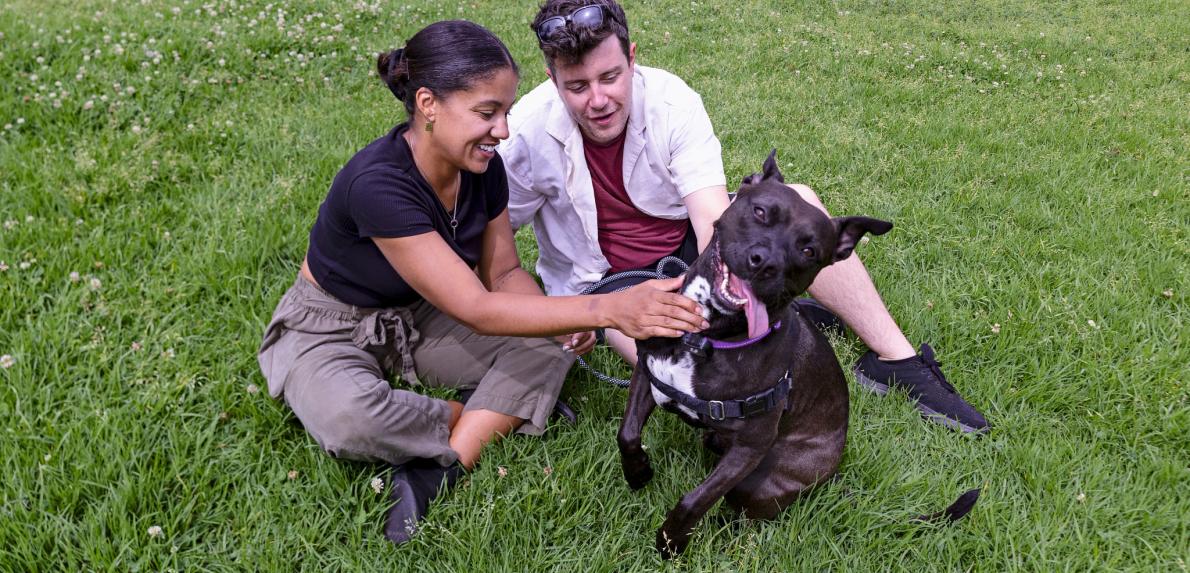
Big dogs aren't harder to love, but they are waiting longer to find it. New survey data* from national nonprofit Best Friends Animal Society shows that large dogs (over 40 pounds) wait nearly twice as long to be adopted as small dogs (under 40 pounds). According to over 1,000 shelters and rescue groups surveyed, the number one reason for the wait isn't temperament or training - it's a shortage of people willing to foster large dogs.
This National Mutt Day (July 31), Best Friends is calling on people across the country to open their home, even temporarily, to a big dog. Fostering is central to Best Friends’ work to end the killing of dogs and cats in shelters and take the country no-kill**, which means saving every healthy or treatable pet in shelters. When large dogs are overlooked by fosters and adopters, they are more likely to remain in crowded shelters where limited space makes them an at-risk population. Choosing to foster can quite literally save a life.
At Best Friends' shelter partner Jeffersonville Animal Shelter in Indiana, shelter director Kristie Ashcraft saw firsthand how a foster program could be lifechanging for large dogs. The shelter struggled for years to get large dogs into homes more quickly. With support from Best Friends, Jeffersonville launched a foster program and community campaign to challenge assumptions that big dogs are harder to manage. The response was immediate: the shelter placed 30 dogs into foster homes in just 15 days, and placed 91 dogs into foster homes in the program's first three months alone. Within less than two years, the shelter was saving 91% of the pets that entered their care, up from 84%, proving that when communities show up to foster big dogs, more lives are saved.
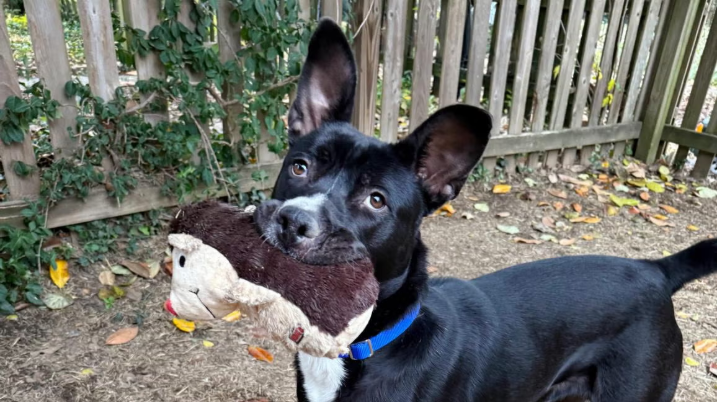
"At Best Friends Animal Society, we believe pets belong in loving homes," says Julie Castle, CEO, Best Friends Animal Society. "Opening your home to foster a large dog, specifically those over 40 pounds who tend to wait the longest in shelters, can make a huge difference. Big dogs don't care if you live in a mansion or a small city apartment, they just need a soft spot to sleep and a little bit of your time."
Best Friends encourages anyone interested in fostering to contact their local shelter or rescue group. Many organizations provide fosters with everything the pet needs, including food, treats, toys, a bed, a crate, and more – all the foster volunteer needs to do is provide a home and some love. For those unable to foster, Best Friends recommends donating supplies, such as extra-large crates, dog gates or toys, to a local shelter or rescue group to help support fosters of big dogs.
To learn more about fostering a pet, visit bestfriends.org.
*Best Friends conducts one of the largest, most diverse surveys of shelters and rescue groups in the U.S. More than 1,000 organizations shared their perspective this summer of what is happening on the ground in animal welfare today. Best Friends’ team of data experts then put the responses together to find trends, opportunities and ways we can save more lives together.
**No-kill is defined by a 90% save rate for animals entering a shelter and is a meaningful and common-sense benchmark for measuring lifesaving progress. Typically, the number of pets who are suffering from irreparable medical or behavioral issues that compromise their quality of life and prevent them from being rehomed is not more than 10% of all dogs and cats entering shelters. For any community to be no-kill, all stakeholders in that community must work together to achieve and sustain that common goal while prioritizing community safety and good quality of life for pets as guiding no-kill principles. This means cooperation among animal shelters, animal rescue groups, government agencies, community members and other stakeholders, all committed to best practices and protocols.