This Hispanic Heritage Month Find Out How Hispanic Families Really Feel about their Pets
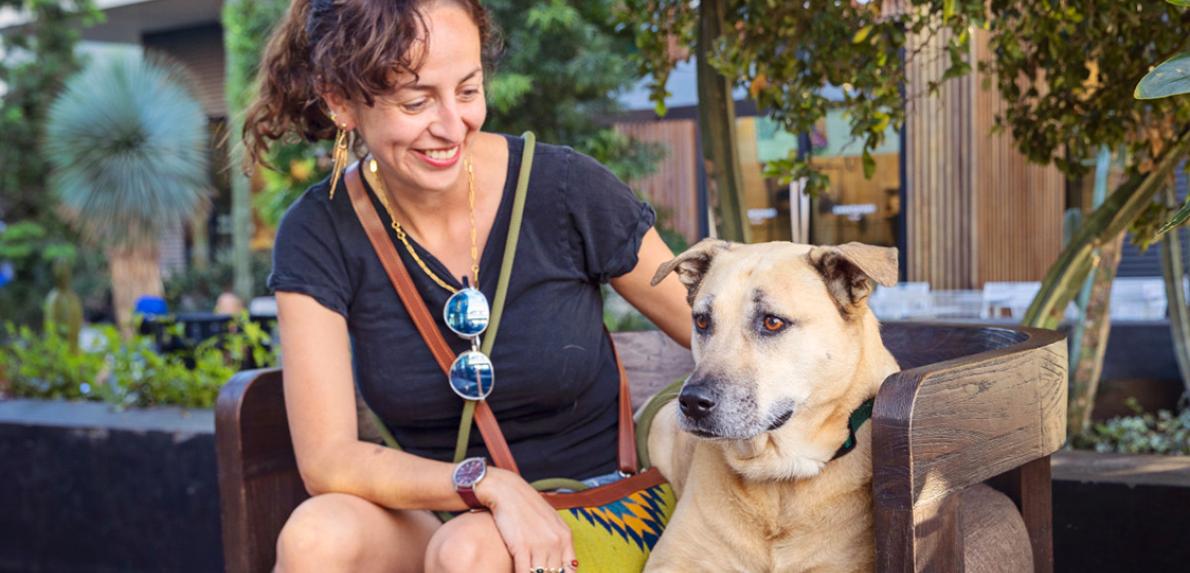
KANAB, UT In honor of Hispanic Heritage Month, Best Friends Animal Society, a national nonprofit working to make the country no-kill*, which means saving every healthy or treatable pet in shelters, is spotlighting survey results on the relationship between Hispanic families and their pets.
The findings reveal a surprising insight: it’s not the families most assimilated into American culture who are most likely to consider pets fully family members, it’s actually those who remain closest to their Hispanic roots.
That closeness doesn't mean the relationship with household pets has stayed the same. For many families, what has changed across generations is not how much a pet is valued, but how it lives. Previous generations often saw pets primarily as outdoor animals or guardians of the home. Today, many of their children and grandchildren treat pets as full family members, letting them sleep in bed, celebrating their birthdays, accompanying them on trips, and even factoring them into decisions like where to live.
A 2024 national survey by Collage Group found that heritage-oriented Hispanic pet owners lead the nation in this kind of bond – nearly six in 10 people surveyed say their pets are part of the family, a rate higher than that of other Hispanic groups. The findings underscore the deep emotional bond many Latino families have with their pets.
The survey also found:
- Heritage-leaning Hispanics are the least likely to describe their pet simply as “my pet” (13.8%, versus 18.8% of the total population), a sign of deeper emotional investment.
- Hispanic pet owners consider their pet part of the family at nearly the same rate as the general population (46.2% versus 46.0%), and both groups rank above every other multicultural audience studied.
- U.S.-leaning Hispanics are the most likely to describe their pet in parental terms (16.6% see their pet as a child and 11.3% as emotional support).
“What this research confirms is something our staff, volunteers, and foster families see first-hand every day: loving a pet like family has nothing to do with where you're from or what language you speak,” said Julie Castle, CEO of Best Friends Animal Society. “This month, we invite communities across the country to honor that bond by adopting, fostering or volunteering, and we especially welcome more bilingual staff, volunteers and fosters, who help us reach more families in their native language.”
During Hispanic Heritage Month, Best Friends Animal Society will host volunteer recruitment days through “Open House” events at its pet adoption centers in Northwest Arkansas, Salt Lake City and New York, at the Best Friends Animal Sanctuary in Kanab, Utah, and through off-site activities in Houston and Los Angeles. Adoption fees will be waived throughout September in celebration of Hispanic Heritage Month.
To learn more or to adopt a dog or cat, visit bestfriends.org.
*No-kill is generally defined as a save rate of 90% or higher for dogs and cats entering a shelter, a widely recognized benchmark for measuring lifesaving success. The 90% threshold reflects the reality that a small percentage of animals enter shelters with severe medical or behavioral conditions that prevent rehoming. However, no-kill is not a one-size-fits-all standard. Some shelters may reach no-kill at save rates above 90%, while others that provide specialized services, such as neonatal kitten care or compassionate end-of-life support, may fall slightly below that benchmark. Ultimately, reaching and sustaining no-kill requires collaboration among shelters, rescue groups, local governments, and community members, all working together to save lives while protecting public safety and animal welfare.