New Data This Spay and Neuter Awareness Month Could Help Provide Insight to Adoption Success Rate
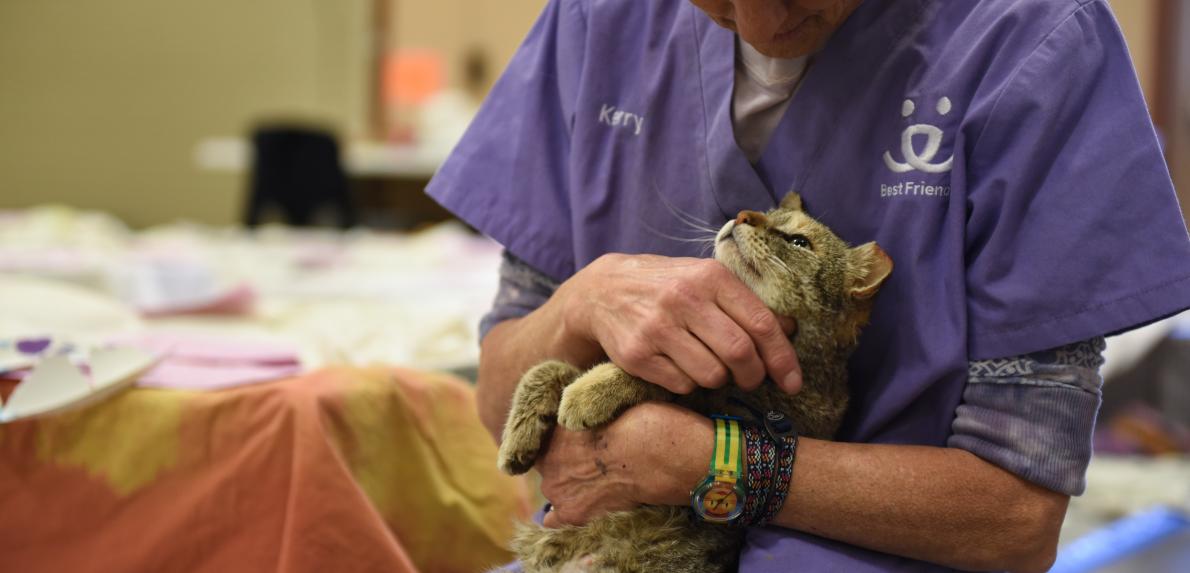
February marks Spay and Neuter Awareness Month, and Best Friends Animal Society, a leading national animal welfare organization working to end the killing of cats and dogs in America’s shelters and take the country no-kill*, which means saving every healthy and treatable pet in shelters, is taking the opportunity to spotlight one of the most effective ways to improve adoption outcomes for cats and dogs.
According to data from Best Friends, cats and dogs who enter the shelter or rescue system already spayed or neutered are about 25% more likely to be adopted, while pets who arrive unaltered face a significantly higher risk of unnecessarily dying. With many shelters across the country operating at or near capacity, preventing additional litters helps free up space and resources for pets already waiting for homes.
Spaying and neutering also plays an important role in pets’ long-term health and well-being. These routine procedures can reduce the risk of certain medical conditions, including uterine infections and certain cancers, while also helping curb unwanted behaviors like howling. Pets who are spayed or neutered stay safer and are often calmer and more likely to thrive in homes.
Beyond health benefits, spaying and neutering is one of the most effective ways to relieve pressure on shelters. By preventing unplanned litters, fewer pets enter the shelter system, helping create more space and opportunities for cats and dogs currently waiting to be adopted.
"Too many dogs and cats are still being killed in shelters each year,” said Julie Castle, CEO, Best Friends Animal Society. “Spaying and neutering is a proven, lifesaving step that helps reduce the number of pets entering the shelter system and directly improves the adoption outcome for those waiting for loving homes.”
Veterinarians agree that healthy puppies and kittens can be spayed or neutered as early as two months old or once they reach two pounds. While costs vary, many communities offer free or low-cost spay and neuter services through shelters, nonprofit organizations and veterinary clinics, helping remove the financial burden for families.
To learn more about spay and neuter resources in your community or to adopt a dog or cat, visit bestfriends.org.
*No-kill is defined by a 90% save rate for animals entering a shelter and is a meaningful and common-sense benchmark for measuring lifesaving progress. Typically, the number of pets who are suffering from irreparable medical or behavioral issues that compromise their quality of life and prevent them from being rehomed is not more than 10% of all dogs and cats entering shelters. For any community to be no-kill, all stakeholders in that community must work together to achieve and sustain that common goal while prioritizing community safety and good quality of life for pets as guiding no-kill principles. This means cooperation among animal shelters, animal rescue groups, government agencies, community members and other stakeholders, all committed to best practices and protocols.