From Tech Glitches to Power Outages: Make Sure Pets Are Part of the Plan
With the recent plane groundings at U.S. airports, Microsoft outages, and major bank accounts becoming inaccessible, many people are revisiting their preparedness plans in to keep their families safe and healthy during disruptions to everyday life.
Since many think of their pets as family, national nonprofit Best Friends Animal Society encourages everyone to consider them in their preparedness plans. As part of its ongoing effort to make the country no-kill*, which means saving every healthy or treatable pet in shelters, Best Friends Animal Society works to keep pets out of shelters and with the people who love them, including during emergencies.
"When preparing for potential outages, think about what your pet may need for three days and up to a week or more. It's especially crucial to have medications, food, and other supplies on hand," said Tim Perciful, Senior Manager, Emergency Services, Best Friends Animal Society. "The goal is to eliminate the stress of an outage and keep everyone safe at home."
Here are tips from Best Friends Animal Society to keep pets safe during potential outages:
- Ask a pet-sitter, relative, neighbor, or friend to take care of your pet in case a trip is delayed and provide them with a week's worth of food, medication, leashes, litter or whatever else is needed.
- Ask your veterinarian to prescribe an extra supply of medications to have on hand in case of emergency.
- Place a battery-operated or USB-charged heater in a pet-safe blanket or pad in a crate to create a lot of warmth in a small area. (If your pet is prone to chewing, use a regular blanket).
- For pet food and/or medication that needs to be refrigerated, put items in a waterproof container and inside an ice chest filled with ice.
- Have cash on hand to purchase supplies, pet food, or to pay for a veterinary bill in case credit cards aren’t being accepted due to an outage.
- Keep several gallons of bottled water for your pet should water become inaccessible or non-potable, which can be common for rural residents who get water from wells.
- Stock up on battery-operated or rechargeable lighting, such as flashlights and lamps, to keep everyone safe when additional light is needed. Regular candles can cause burns to your pet or create serious devastation if knocked over by a curious pet.
And if you're looking for a bright side to an outage, here's one.
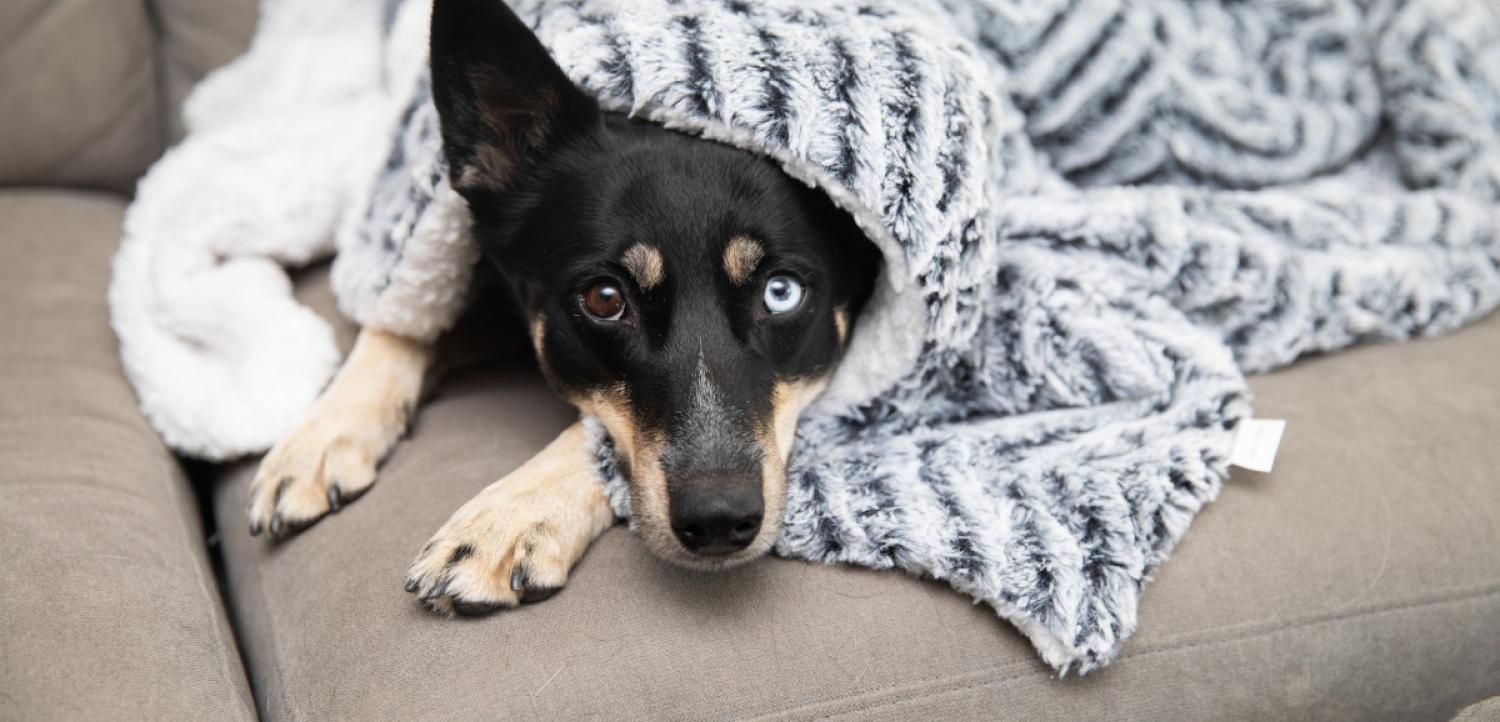
"There is no better time to cuddle with your pet, you'll keep each other warm," Perciful said. "Pets provide emotional comfort, so all that snuggling is also good for mental health during a difficult situation."
For more information, please visit bestfriends.org.
*No-kill is generally defined as a save rate of 90% or higher for dogs and cats entering a shelter, a widely recognized benchmark for measuring lifesaving success. The 90% threshold reflects the reality that a small percentage of animals enter shelters with severe medical or behavioral conditions that prevent rehoming. However, no-kill is not a one-size-fits-all standard. Some shelters may reach no-kill at save rates above 90%, while others that provide specialized services, such as neonatal kitten care or compassionate end-of-life support, may fall slightly below that benchmark. Ultimately, reaching and sustaining no-kill requires collaboration among shelters, rescue groups, local governments, and community members, all working together to save lives while protecting public safety and animal welfare.