
SHELTERS: Helping shelters across all 50 states
Helping shelters save lives is central to our mission.
In 2025, you built momentum for no-kill nationwide by making sure shelters didn’t have to do it alone. From sharing knowledge through the Best Friends Network to working side by side in shelters, we helped teams strengthen skills, improve operations, and save more lives through a range of programs and grants. Read on to learn more.
The results were transformative: a West Virginia shelter doubled its save rate in 18 months, a Virginia shelter climbed to 94% after launching a community cat program, and an Arkansas rescue group saved more than 400 cats after completing a Best Friends course. Behind every statistic is a pet like Twirl, Cashew, or Trooper, animals who found loving homes because shelters had the support they needed to save them.
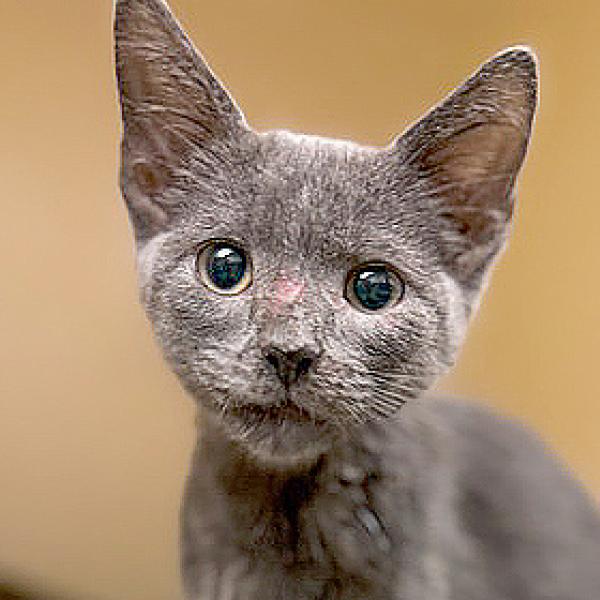
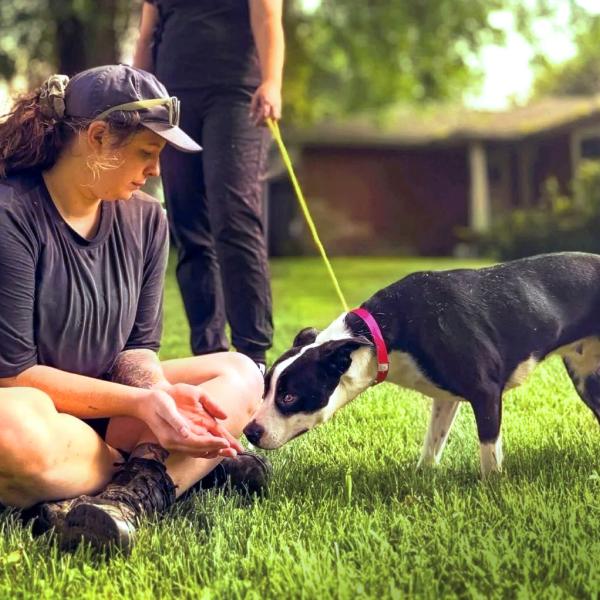
Worble and Twirl's second chances reflect the power of collaboration:
Broad support through the Best Friends Network
As one of the nation’s largest communities of animal welfare organizations, the Best Friends Network scales and accelerates no-kill nationwide. Through online tools, educational resources, and Rachael Ray Save Them All grants and No-Kill Excellence grants, partners gained the knowledge and funding to increase lifesaving in their communities. Learnings from the network also helped shape the proven practices Best Friends shared nationwide.
Network challenge helped community cats in Virginia
In July 2025, Best Friends launched the Community Cat Challenge to help shelters expand trap-neuter-vaccinate-return (TNVR) programs. With support from Best Friends, Regional Animal Shelter of King William County partnered with local caregivers to provide humane traps, spay/neuter services, and veterinary care. A friendly kitten named Worble received treatment for a wound before being adopted. By September, the shelter’s save rate climbed to 94%, up from 69% the same month a year prior — demonstrating how essential TNVR is to achieving no-kill.
Twirl found a home, thanks to Rescue Roundtable
Rescue groups play a critical role in helping shelters save more lives, especially pets with medical or behavioral needs. Rescue Roundtable, a joint program organized by One Tail at a Time and Best Friends, helped rescue groups build capacity to support shelters. After joining, Pets of Ohio Rescue Team increased shelter transfers by 232% and adoptions by a whopping 725%. One of those adoptions was Twirl — a fearful pup who, with time and support, found the loving home she deserved.

Hands-on coaching, learning, and technical assistance
Some shelters need deeper guidance to strengthen their programs, troubleshoot challenges, or build new lifesaving skills. In 2025, Best Friends provided tailored coaching, technical assistance, grant funding, and robust learning opportunities to help shelters improve programs and achieve no-kill. These opportunities included the Best Friends National Conference and the nation’s first accredited courses, certifications, and degree programs in contemporary animal services, offered in partnership with Southern Utah University.
West Virginia shelter doubled its save rate
Once considered a “last stop,” Harrison County Animal Control had a save rate under 46% in 2023. With support from Best Friends, the shelter started doing TNVR for community cats, strengthened rescue partnerships, launched a program for fearful dogs, and provided resources for keeping pets with their families. Within just 18 months, the shelter’s save rate climbed to nearly 90%.
2025 was a transformational year… Because of the dedication, compassion, and sheer determination of this community — and with Best Friends supporting our progress — we achieved a 90% save rate… For a shelter that once carried the weight of having the lowest save rate in West Virginia… a place that was whispered about, avoided, judged… This is a triumph that reaches straight to the heart.
Dog rescue group started saving cats after Best Friends course
Greener Days Ahead Rescue in Arkansas wanted to help the growing number of cats in their community but didn’t know where to begin. After completing Best Friends’ Cat Lifesaving Fundamentals course, the organization gained the skills and confidence to launch a cat program of their own. They built low stress housing, improved admissions and adoption strategies, and recruited new volunteers, saving more than 400 cats in 2025.

Deep partnership through national shelter programs
For shelters needing intensive, long-term support, Best Friends was there to help. Through the national shelter embed program, made possible in part by a grant from Maddie’s Fund®, Best Friends placed expert staff inside shelters to strengthen operations. And through the Prince and Paws Shelter Collaborative Program — named for the adopted pets of its lead donor — no-kill organizations mentored shelters working toward no-kill, providing peer guidance and support.
Cashew thrived with embed support
Cashew came to Independence Animal Services in Missouri as a young dog whose enthusiasm sometimes overwhelmed people. Through the national shelter embed program, Best Friends team member Kelsey Maccombs worked shoulder to shoulder with the Independence team to enhance data collection, care plans, behavior support, and playgroups — giving Cashew the chance to shine. At a Best Friends Super Adoption event in nearby Northwest Arkansas, a family quickly fell in love with him and brought him home.
Arizona shelter achieved no-kill through the shelter collaborative program
When Trooper bounds across his family’s yard, you’d never guess he arrived at Santa Cruz County Animal Care & Control with a fractured leg after being hit by a car. Located in Arizona’s smallest county, Santa Cruz couldn’t provide the veterinary care he needed — but Pinal County Animal Care and Control could.
The shelters had been paired through Best Friends’ shelter collaborative program. In 2025, Santa Cruz County Animal Care & Control and 91 other shelters were mentored through the program. Over their year-long collaboration, Pinal County helped Santa Cruz save more pets like Trooper and raise its save rate from 67% to more than 90%.
This collaboration made us into a no-kill shelter. For many years, we didn’t have the programs or resources to help animals quickly move through our shelter. When this came about, we saw the light at the end of the tunnel. We saw it could be different for us.
Helping shelters: The story in numbers
- 5,726 Best Friends Network Partners in all 50 states by the end of fiscal year 2025 — an increase of 705 organizations over the prior year
- 1,600+ shelters and other animal welfare organizations engaged at varying levels beyond basic network partnership, ranging from light touch support to intensive, hands-on collaboration
- Of these, 860+ benefitted from Best Friends-supported animal transports, including transfers, facilitation, and transport-funded programs
- $15 million in grants provided to 1,076 Best Friends Network Partners and other organizations