How one fearful dog helped a rural shelter save more
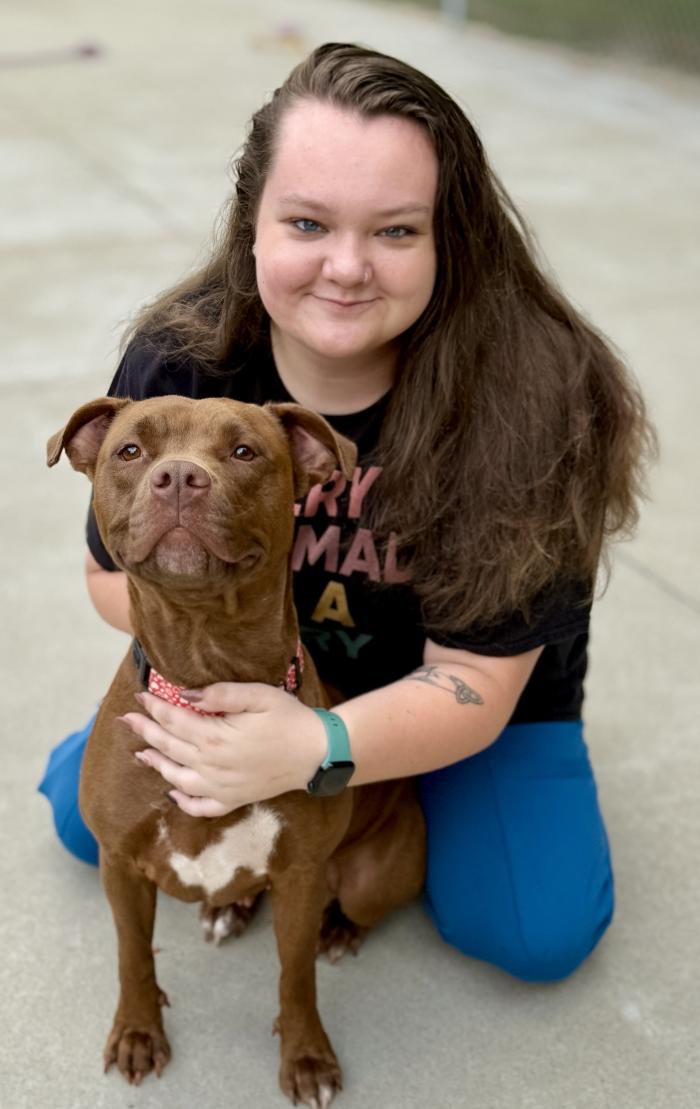
Grace Rohler is the programs coordinator for King William Regional Animal Shelter in King William, Virginia.
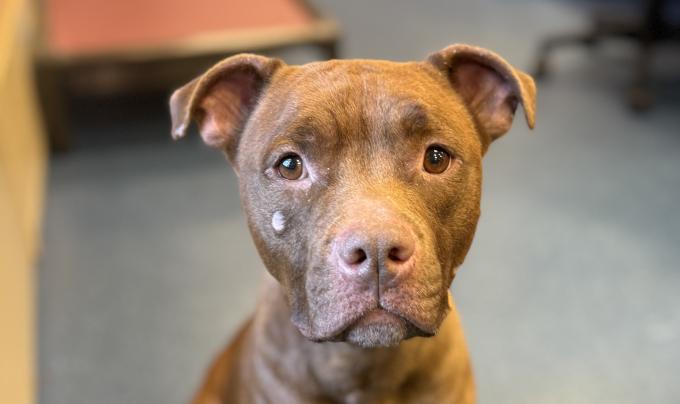
When Ariel first got to us, we couldn’t even touch her — and not in a “she’s a little shy” way. I mean we physically could not touch this dog. Animal control had trapped her after she spent days eluding everyone who tried to help her. She hid under a family’s porch, too afraid to move. When she arrived at the shelter, she pressed herself into the corner of her kennel like she was trying to disappear into the wall.
If you’ve been in animal sheltering long enough, you already know what this means. For our small rural shelter, that outcome had been true for far too many dogs like her. We’ve all had an Ariel, the dog who makes your stomach drop when you walk past her kennel and the one you think about on your drive home.
The day Ariel was waiting
We’d seen scared dogs before, but Ariel was different. Her fear didn’t waver — until one day it did. I walked by her kennel expecting the same thing as always, but instead she was sitting at the front of it. Still scared, still unsure, but waiting. Completely caught off guard, I blurted out, “Hi!” very enthusiastically and a little too loudly.
Helping a skittish dog learn to trust
She cowered, but she didn’t run. So the shelter staff grabbed treats and a leash and tried to connect with her. And the dog we couldn’t even approach just days before decided treats were absolutely worth getting up close and personal for. Suddenly, this once terrified dog was wiggly, kissing us, sitting on command, and being an absolute goober.
Over the next few days, we learned a lot about Ariel. She was potty-trained, loved toys, loved other dogs and loved people — but only her people. Outside that circle, she sounded like she was ready to fight strangers with everything she had. That’s where a lot of dogs like Ariel get stuck — not because they aren’t good dogs but because the system doesn’t know what to do with them.
Progress and setbacks
So we got to work. We didn’t label her, didn’t give up on her, and didn’t wait for some “unicorn adopter” to appear. We built a plan around her. We worked with her through the growling, the setbacks, the moments when it felt like we were getting nowhere. We even brought in people from our sheriff’s office because her greatest enemy was men in hats. I wish I was kidding — men in hats.
Little by little, we made progress. But then we realized that we had this incredible, loyal, goofy, deeply loving dog and no way to show the world who she actually was. And that’s the part of this work that will break you because you can see them but nobody else can. So we asked a different question: What if the problem isn’t the dog? What if it’s the environment we’re asking the dog to be seen in?
Changing the system
That’s when we decided to change the system. We started using social media differently — intentionally — to show who our dogs really are, and we built a program around it. Our bucket list program has a simple goal: Get them out of the shelter and let them be dogs. Go to the park, get a pup cup, ride in the car. Do literally anything to get dogs out of their kennels because that environment was never designed to show their best selves.
That program, combined with how we told their stories, didn’t just help Ariel — it changed everything for us. In 2025, our shelter reached a live release rate of 86%, the highest we had ever seen. For a shelter like ours, tucked away and often overlooked, that wasn’t just a number; it was something we genuinely never thought was possible. And this year, we’re on track to push even closer to 90%, the threshold for no-kill.
Making magic happen for a shy dog
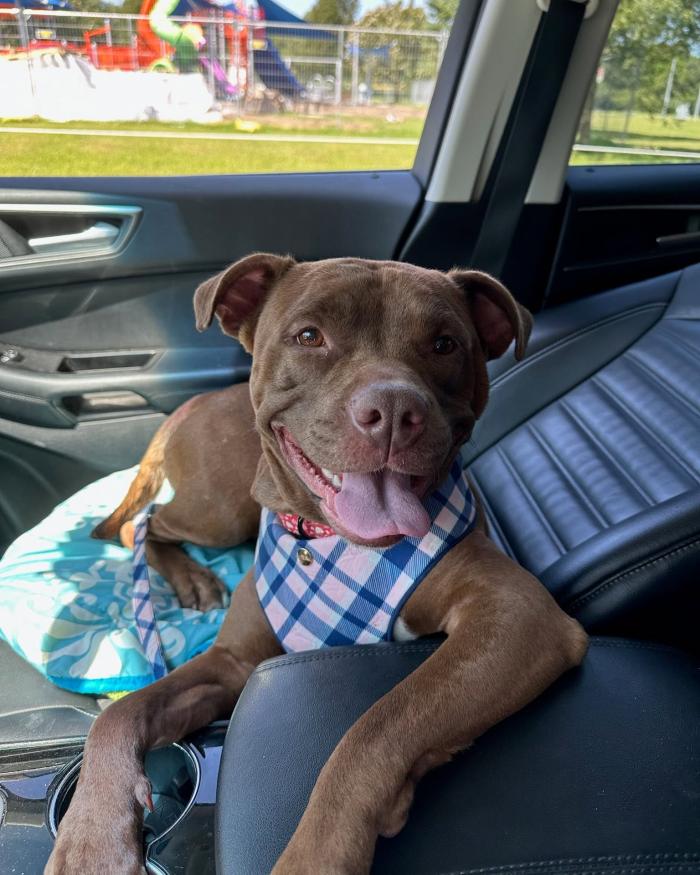
That progress didn’t happen because we found better dogs; it happened because we built better ways to show them. Ariel was one of the first. On a bucket list outing, she was a completely different dog — ears flapping, riding shotgun like she didn’t have a care in the world. She didn’t shut down; she showed up. And we shared her story again and again.
Ariel meets her man in a hat
Ariel didn’t get adopted because of her kennel presence. She got adopted because someone finally saw her the way we did. That social media post reached a woman named Lisa, who just happened to be sitting next to the animal control officer who had originally trapped Ariel. They talked about her for an hour because that’s how this work goes: a little chaos, a little luck, and a whole lot of people who care.
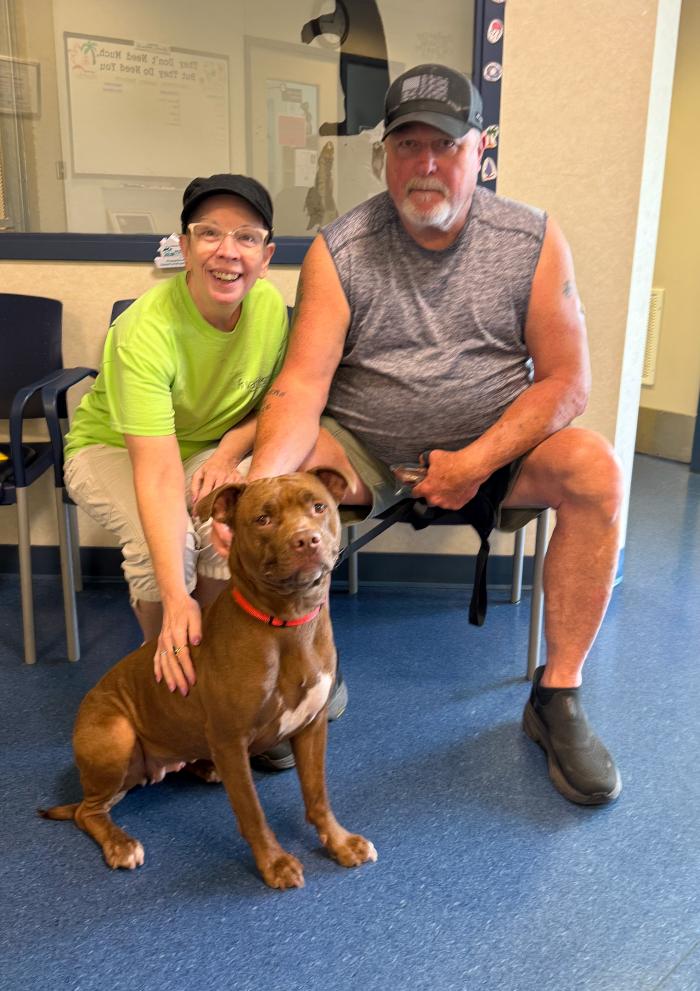
The next day, Lisa sent her husband to meet her, and Ariel’s worst nightmare walked through the door: a tall man, rough around the edges, wearing a hat. At first, Ariel reacted in exactly the way you’d expect. She was terrified, growling and cowering. I was mid-sentence, saying, “She’s actually a really great dog, I promise,” when her tail wagged. She took a treat. And just like that, she chose him. A guy in a hat.
When she walked out the door with him, I was crying. Of course I was crying. At first, I thought she would look back at me, but she didn’t. She looked at her new dad in his hat like I had nothing to do with it.
Every shelter has an Ariel
Today, she rides everywhere with him. She has her own bed in the car and never wants to leave his side. The dog who couldn’t be touched now won’t stop touching him. And here’s the part everyone needs to hear: Ariel is not special. I don’t say that to take anything away from her; I say it because she is everywhere. She’s in a shelter kennel right now. She’s the dog shelter staff worry about, the one they don’t know how to label, the one they don’t know how to place. And the difference isn’t the dog — it’s what we’re willing to change for them.
Ariel didn’t need a miracle. She needed people willing to bend the system, to get creative, to remove barriers, and to try something different, even when it’s uncomfortable. That’s what this work really looks like. Not perfection. Not easy wins. It looks like sitting on a kennel floor saying, “I’m not giving up on you,” and then building something that makes that promise real.
For anyone who works in a shelter, find your Ariels. Most know exactly who they are. And instead of asking “Are these dogs adoptable?” ask “What am I willing to change so that they are?”
This article was originally published in the November/December 2026 issue of Best Friends magazine. Want more good news? Become a member and get stories like this six times a year.
Let's make every shelter and every community no-kill
Our goal at Best Friends is to support all animal shelters in the U.S. in reaching no-kill. No-kill means saving every dog and cat in a shelter who can be saved, accounting for community safety and good quality of life for pets.
Shelter staff can’t do it alone. Saving animals in shelters is everyone’s responsibility, and it takes support and participation from the community. No-kill is possible when we work together thoughtfully, honestly, and collaboratively.

You can help save homeless pets
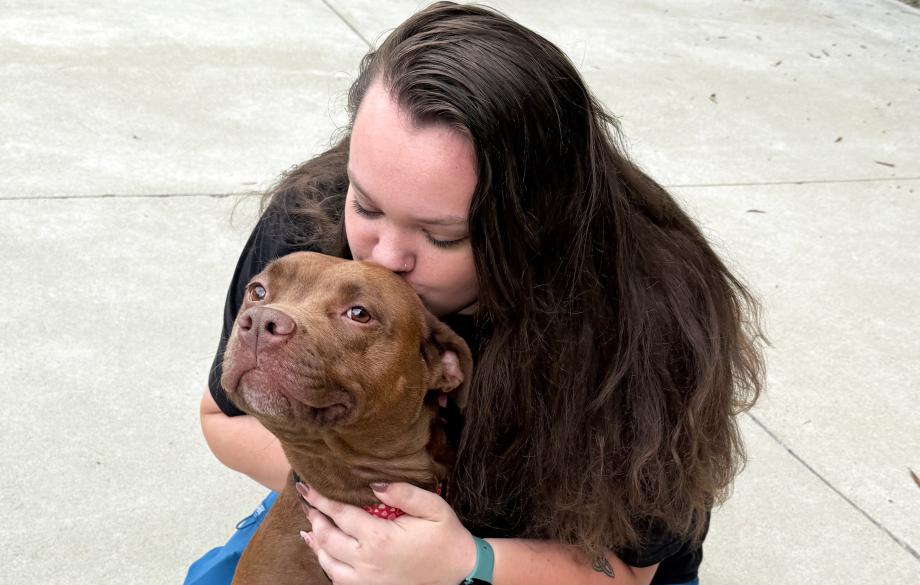
You can help end the killing in shelters and save the lives of homeless pets when you foster, adopt, and advocate for the dogs and cats who need it most.
Saving lives around the country
Together, we're creating compassionate no-kill communities nationwide for pets and the people who care for them.
Get inspiring animal rescue stories delivered straight to your inbox
Never miss a feel-good animal story. When you give us your email, we’ll send you inspiring animal rescue stories each week, along with tips on different ways you can help save homeless pets in your community and beyond.