From dog devotee to cat crusader
For most of my life, I was unapologetically a dog person. I loved their loyalty, their energy, and the way they seemed to wear their hearts on their furry sleeves. Cats, on the other hand, were a mystery I never cared to solve. Aloof, unpredictable, and too independent for my taste, they simply weren’t for me. Or so I thought.

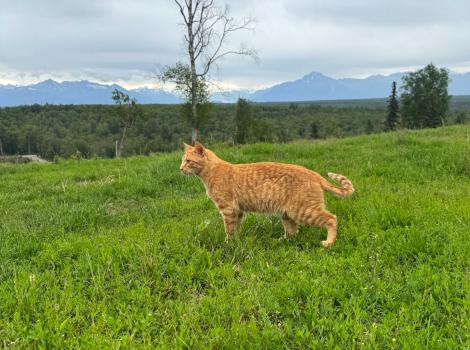
Then I met my husband. When we started dating, I quickly learned that he came with a non-negotiable roommate: a cat named Camel. A sleek, green-eyed orange tabby with a regal attitude and a penchant for ignoring me, Camel was everything I had always disliked about cats. She didn’t come when called, she didn’t wag her tail, and she certainly didn’t care that I was trying to win her over.
At first, I kept my distance. I figured we could coexist peacefully, each respecting the other’s space. But Camel had other plans. Slowly, and with the kind of subtlety only cats possess, she began to infiltrate my world. She’d curl up near me on the couch — not too close, just close enough. She’d sit outside my home office, waiting. She’d blink at me slowly, a gesture I later learned was a feline sign of trust.
Somewhere along the way, I stopped seeing Camel as “just a cat” and started seeing her as family.

A new awareness
That shift opened my eyes to the world of cats in a way I never expected. I began noticing the cats in our neighborhood — some skinny, skittish, and injured, others healthy and confident. I started reading about community cats and the challenges they face. That’s when I discovered trap-neuter-vaccinate-return (TNVR).
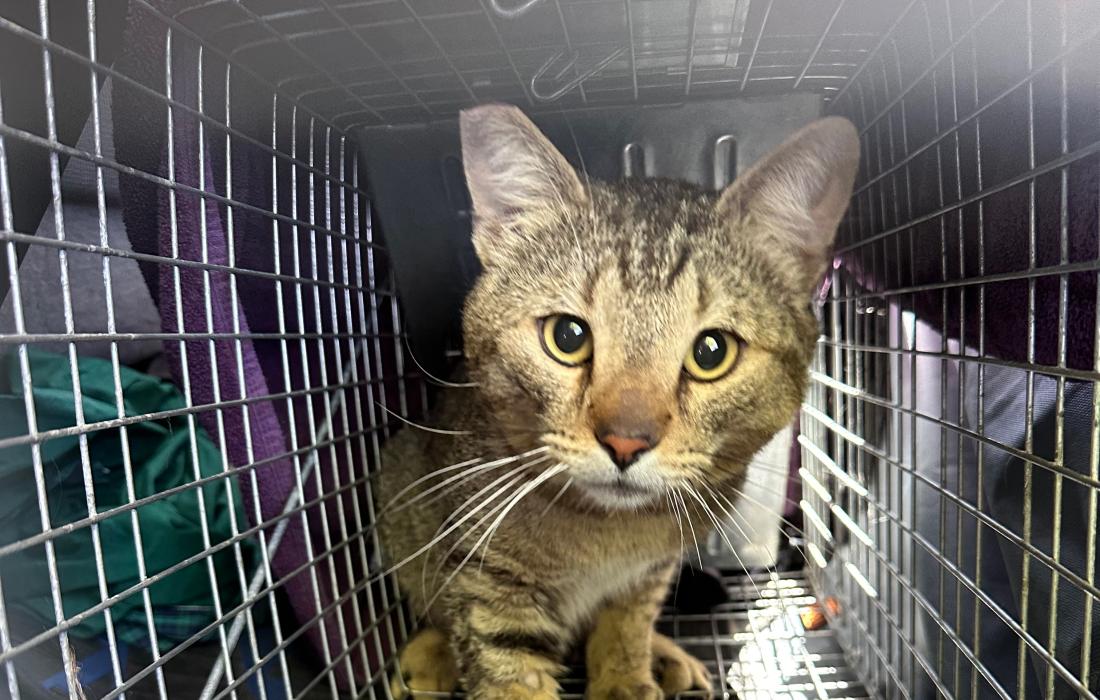
TNVR is a humane method of preventing more kittens from being born to cats living outdoors. Instead of these animals ending up in shelters, where they might be killed if they aren’t good candidates for adoption, TNVR programs involve trapping them, spaying or neutering them, vaccinating them against diseases, and returning them to their territory. It’s a sustainable, compassionate approach that improves the lives of cats and the communities they live in.
[How a journey home to Alabama saved dogs and cats]
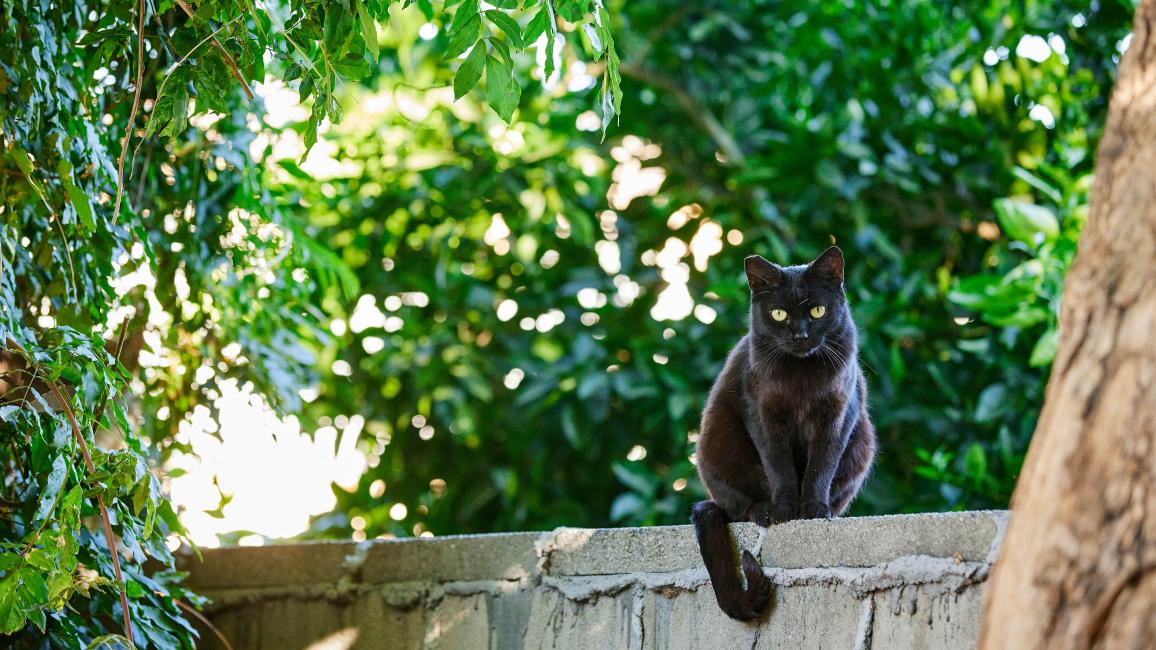
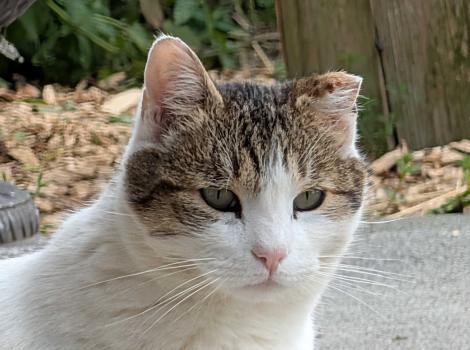
One of the most important things I learned is that outdoor cats fall along a wide spectrum of sociability and care. Some are truly feral — wary of humans but thriving under the quiet stewardship of community caregivers. Others may be friendly and approachable yet have no identifiable home. And then there are those who blur the lines entirely: A seemingly scruffy cat might be someone’s beloved companion who simply prefers the outdoors, while a sleek, healthy feline might be part of a managed group of community cats.
The term “stray” can be misleading. When you see cats outside, you can’t always know whether someone is already caring for them. In fact, many healthy outdoor cats are thriving precisely because they are part of a TNVR-managed group. They have been vaccinated and spayed or neutered, are fed regularly, and are cared for by compassionate individuals who provide veterinary care when needed.

From curiosity to commitment
What began as curiosity quickly turned into action. I volunteered with a local TNVR group, and my first trapping experience was unforgettable. I was nervous. What if I did it wrong? What if the cat was hurt? But the team was supportive, and the moment I released that first cat — now neutered and vaccinated — back into his familiar alley, I felt something shift inside me.
Since then, I’ve helped dozens of cats. I’ve crawled under bushes, waited in the rain, and spent countless hours coordinating vet appointments and recovery spaces. I’ve bottle-fed kittens, comforted scared mamas, and cried over the ones we couldn’t save. It’s hard work, but it’s also deeply rewarding.
TNVR doesn’t solve every problem. Sometimes, the cats we trap are sick, injured, or too young to survive on their own. In those cases, they aren’t simply returned to the outdoors. They receive medical care, and if they’re social enough (or become social with time), they may be placed in foster homes and eventually adopted. Others may live out their lives in sanctuary settings or under the watchful eye of their caregivers.
Helping doesn’t always mean removing cats from their environment. Sometimes, it means supporting the systems that allow them to live safely where they are. And what I’ve learned through this journey is that anyone — truly anyone — can be part of that support system. You don’t have to be an expert. You just have to care enough to start.
[Virginia shelters take on the community cat challenge]
My husband jokes that I’ve become more cat than human. Our home now has multiple feline residents, each with a unique story and personality. Camel, the cat who started it all, remained queen of the castle for 17 years, watching over the others with quiet dignity before eventually crossing the Rainbow Bridge.
Looking back, I never imagined this life for myself. I thought I knew who I was — someone who loved dogs and barely tolerated cats. But love has a funny way of expanding your heart in directions you never expected. It took one man, one cat, and one moment of openness to change everything.
Today, I’m proud to be a cat advocate. I still love dogs, of course, but cats have taught me patience, empathy, and the power of quiet connection. They’ve shown me that transformation is possible — not just for them but for me too. And if you had told me 10 years ago that one day I’d be out at 5 a.m. setting humane traps for feral cats, I would have laughed. But now? I wouldn’t have it any other way.
With over two decades of experience in leadership, education, and community service, Dr. Beth Janser is a passionate advocate for Florida’s nonprofit sector. In addition to her academic work, Beth is deeply committed to animal welfare, actively volunteering in rescue efforts and supporting TNVR programs to humanely manage and protect community cat populations. Her hands-on involvement with local shelters and grassroots initiatives reflects her commitment to compassionate, sustainable solutions for both animals and the communities in which they live.
This article was originally published in the November/December 2025 issue of Best Friends magazine. Want more good news? Become a member and get stories like this six times a year.
Let's make every shelter and every community no-kill
Our goal at Best Friends is to support all animal shelters in the U.S. in reaching no-kill. No-kill means saving every dog and cat in a shelter who can be saved, accounting for community safety and good quality of life for pets.
Shelter staff can’t do it alone. Saving animals in shelters is everyone’s responsibility, and it takes support and participation from the community. No-kill is possible when we work together thoughtfully, honestly, and collaboratively.
You can help save homeless pets
You can help end the killing in shelters and save the lives of homeless pets when you foster, adopt, and advocate for the dogs and cats who need it most.


Saving lives around the country
Together, we're creating compassionate no-kill communities nationwide for pets and the people who care for them.
Let’s be friends!
Connect with us on social media to stay in the loop about the lifesaving progress we’re making together.


