The law is (finally) catching up to our pets
For as long as I’ve worked in animal welfare, one truth has been constant: People have always loved their pets like family, even when the law didn’t fully reflect that reality.
For years, policy lagged behind public opinion. People’s beloved pets were regarded as property under the law, and decisions that shaped their lives were guided more by habit than by compassion or evidence. But something encouraging is taking hold.
Across the country, legislators, courts, and communities are beginning to rethink how animals are protected and why those legal standards matter. From local ordinances to statewide legislation, a growing number of laws are acknowledging what we all already know to be true: that pets are family and they deserve protections that reflect that bond.
While the changes we’ve seen thus far haven’t erased every challenge animals still face, they tell a powerful story about momentum and what’s possible when advocacy, data, and empathy all come together.

Fear-based laws can be undone
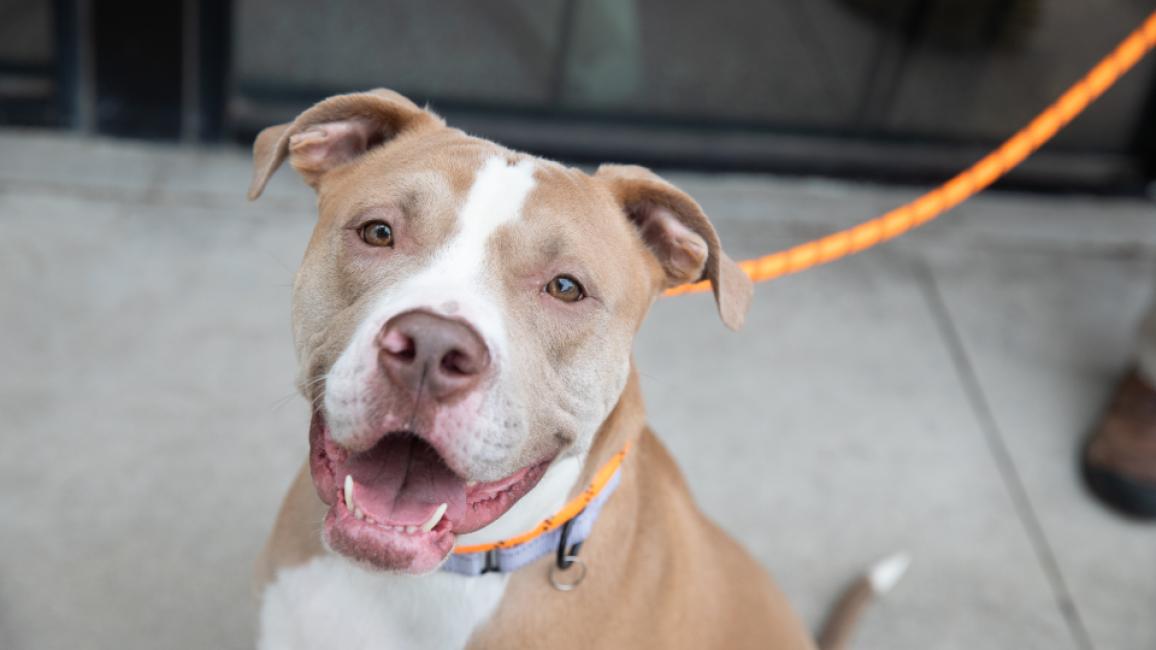
Few policies capture outdated thinking better than breed-specific legislation (BSL), or laws that ban or restrict certain types of dogs based simply on their appearance, usually because they’re perceived as dangerous. And while BSL still exists in many parts of the country, the past decade has shown us that these laws do not bear examination, nor are they permanent.
For decades, it seemed like breed bans or restrictions were untouchable. They’re framed as public safety measures, even as evidence consistently shows they do not make communities safer, reduce risk, or protect people and pets. Instead, they judge dogs and their people based on a dog’s appearance rather than behavior, and families pay the price.
That’s why the reversals we’ve seen matter so much.
In the past five years, the communities of Denver, Colorado; Miami-Dade County, Florida; and Prince George’s County, Maryland all repealed their longstanding bans on pit bull-type dogs that had each been in place for around 30 years. These policy changes, unlike BSL, are rooted in data, experience, and the growing understanding that responsibly caring for pets and focusing on individual behavior are what truly keep communities safe.
And each repeal sends a signal beyond city or county lines. They show other communities that change is possible and that moving away from fear-based policy doesn’t compromise safety — it strengthens it.

Closing one door to open a better one
Another area where lawmakers have increasingly stepped forward is humane pet sales.
Over the past decade, more states and cities have passed laws prohibiting pet stores from selling commercially bred puppies and kittens, helping to disrupt the pipeline that has long connected storefront sales to large-scale factory farm breeding operations (also known as puppy mills).
Seven states have enacted humane pet sales laws — California, Illinois, Maine, Maryland, New York, Oregon, and Washington — and hundreds of cities and counties have passed similar legislation. (Check out the full list of jurisdictions enacting such legislation here.)
These laws are an effective way to put the squeeze on puppy and kitten mills while promoting pet adoption, and it’s promising to see lawmakers and communities alike choose policies that prioritize animal welfare, consumer protection, and transparency. What’s especially encouraging, too, is how widely supported these measures have become. People want to know where their pets come from. They want to support shelters and rescue groups. And legislators are responding to those values.
Each humane pet sales law passed represents fewer animals suffering in inhumane conditions and more families finding pets through adoption, a shift that reflects both compassion and common sense.
Cats, community, and the law catching up
We don’t hear enough about cats in animal welfare policy, but they, too, have gained legislative support in the past 10 years.
One of the clearest examples came when California banned cat declawing statewide, recognizing that the practice causes unnecessary pain and long-term harm. The law marked an important moment in the state’s willingness to challenge long-standing norms and prioritize animal well-being over convenience.
Simultaneously, more and more communities are embracing humane, evidence-based approaches for cats through trap-neuter-vaccinate-return (TNVR) programs that protect the health and safety of cats living outdoors. Laws and policies that authorize and support TNVR programs (and protect community cat caregivers, too) reflect a growing understanding by the public that humane solutions are not only kinder but more effective.
Together, these shifts signal a broader change in how cats are viewed under the law — not as an afterthought but as animals deserving thoughtful, compassionate protection.

Policy shifts in the name of the whole family
One of the most meaningful shifts of the past decade isn’t actually tied to one single policy. It’s cultural.
More lawmakers are beginning to question the idea that pets should be treated the same as property, and that shift is showing up in legislation and public discourse alike. In Pennsylvania, a bill passed in the House that recognizes pets as family members rather than property in divorce cases, allowing courts to consider their well-being rather than treating them as assets to be divided. While limited in scope, efforts like this matter because they reflect how deeply animals are woven into our lives.
That same cultural truth surfaced in an unexpected way when a woman recently sued the IRS to list her pets as dependents. While the case itself didn’t change tax law, it resonated widely because it captured something so many people feel instinctively: that pets are not accessories or possessions but family.
Each of these moments pushes the conversation forward, and conversations are the start of laws evolving.
This is what progress looks like
These are just the tip of a very large iceberg of federal, state, and local legislative and regulatory wins that make our work easier and the lives of the animals we serve better. None of these legal wins mean the work is finished. There are still gaps, protections remain uneven, and too many animals are still impacted by outdated policies.
But when you look at just how much legal progress has been made in the past 10 years, the direction is clear. Lawmakers are listening more closely, policies are becoming more humane, and the idea that pets are family is increasingly reflected not just in how we live but how we legislate.
That momentum matters. It’s worth celebrating and continuing to build on. Every thoughtful law passed, every outdated policy repealed, brings us closer to a future where compassion is policy standard. Join fellow advocates today and make a policy difference in your community here.
-Julie