Springtime buzz at Best Friends Animal Sanctuary
Blooms have begun to unfurl around Best Friends Animal Sanctuary in Kanab, Utah. Bees buzz with the thrill of warmer weather on the horizon, or perhaps they buzz with all the things happening around the Sanctuary.
On any given day, the Sanctuary is the healing home-between-homes for up to 1,600 dogs, cats, horses, birds, bunnies, pigs, and other animals — each one met with patience, compassion, and the promise of a second chance while Best Friends works toward the goal of making every shelter no-kill.
Parrot Garden: A microchip milestone
The team at Parrot Garden — where many different kinds of parrots are cared for until they’re placed in new homes — has been hard at work the past few months with a new undertaking: microchipping all the parrot residents. Microchips contain identification information to help lost pets reunite with their families. They’ve been used with dogs and cats for decades and can benefit birds, too.
While many birds wear bands on their legs for identification, microchips have an advantage because the information contained in them is easier to decipher and is stored in more accessible databases. That means lost birds have a better chance of getting back home. Microchipping the parrots at the Sanctuary helps to make them ready to go for their future adopters, who can easily add their information to the microchip to keep their bond safe for years to come.

Marshall’s Piggy Paradise: Cooperative care in action
Down in the lower canyon at Marshall’s Piggy Paradise — where the pigs at the Sanctuary get all the companionship, training, play, and top-notch veterinary care they need to heal and thrive — Cameo the pig is showing exactly how training can make all the difference, especially when it’s built on choice, comfort, and trust. Best Friends pig trainer Hailey Adams explains that caregivers use cooperative care techniques to ensure that pigs feel safe and empowered during handling and routine care. Cooperative care lets the pigs into the driver’s seat for their care, such as touching a specific spot to signal they are ready for something like receiving their sunscreen for the day.
During Cameo’s training sessions, she practices skills like stepping into a van or holding still for a swipe of sunscreen. Most importantly, she has a choice: a designated cone she can boop with her nose to signal she’s done. She rarely chooses to end sessions early, but knowing she can gives her confidence and control — and builds trust with her caregivers.

Bunny House: New bonds blooming
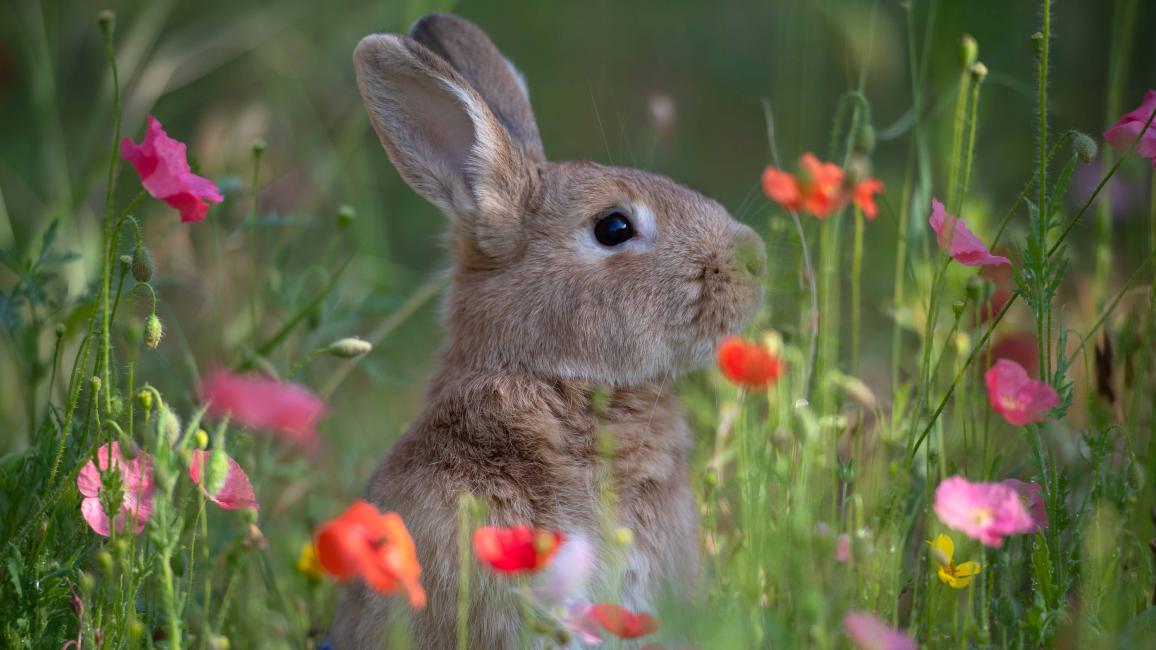
The bunnies in Bunny House have been busy hopping into new friendships during their time at the Sanctuary’s dedicated care area for these bundles of fluff and sass. Bunnies are social creatures, so having a partner in crime to explore with, crunch on lettuce together, or watch over each other can enrich their lives. Happy and Notorious B.U.N. have just hit that point in their relationship. The bonding process can last anywhere from a few days to a few weeks because bunnies can be picky about sharing their space. But when they bond, it can be a lifelong connection.
Happy had previously had another life partner who passed away, leaving him glum, which is no way to live for a bun named Happy. He had always been shy, but he drew even further into himself without his partner, who was much more outgoing. Notorious B.U.N. has helped to build Happy’s confidence with his more sociable temperament. Bunny House supervisor Amy Brown says, “They’re a sweet little pair of old men who love lounging in the sun together.”
Cat World: New kids on the block
The Sanctuary’s Cat World is the home-between-homes to more than 600 cats on any given day, and they all receive individualized care suited for their personalities, behaviors, and medical needs. Caregivers have been welcoming the many spring feline arrivals, who have come to the Sanctuary from shelters in need of some TLC before being placed in homes of their own. One of those cats is Charmaine, a lovely 2-year-old brown tabby with a gentle spirit.
As sweet as she is beautiful, Charmaine arrived with an injured leg, and the veterinary team determined that the best course to keep her healthy and comfortable was amputation. She’s since settled into a foster home, where she’s been recovering beautifully. It’s only a matter of time before she lands a loving home where she can let her sweetness shine.
Horse Haven: A warm welcome
New arrivals are happening all over the Sanctuary. Horse Haven — with its gorgeous red rock views serving as the backdrop for the horses and other barnyard pals receiving care, training, and love — just welcomed Charlie, a jaw-droppingly gorgeous palomino paint. This senior girl came from a rescue group after her person passed away.
Charlie arrived alongside two other well-loved horses, and while the transition has been a big one, she’s already beginning to settle in and relax in her new surroundings. She’s even had some dental work to make her feel more comfortable. At the Sanctuary, that kind of individualized care is the norm, ensuring that every horse gets what they need to feel their best at every stage of life.
Dogtown: Puppy piles on the horizon
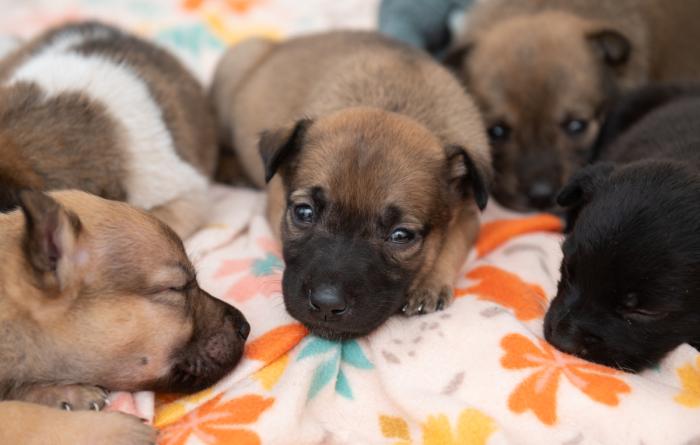
Dogtown — where around 400 dogs on any given day learn, play, heal, and thrive — is gearing up for an exciting spring, starting with the long‑awaited reopening of the puppy admissions building. After a temporary closure for some remodeling, the team is thrilled to welcome puppies back into a space designed specifically for their comfort, development, and care.
While puppies come to the Sanctuary from shelters and rescue groups nationwide, the team is anticipating welcoming many pups from New Mexico. Many shelters there are full, so by taking in some of their pups to find them homes, Best Friends is helping to relieve pressure on those shelters while giving these little ones a chance to thrive. The puppy admissions building reopening will make that lifesaving work even more impactful.

Wild Friends: Preparing for baby season
With baby season inching closer, Wild Friends — Best Friends’ federally and state‑licensed wildlife rehabilitation center — is buzzing with preparation. The warmer months reliably bring an influx of young wildlife in need, so the team is gearing up to help. A big part of their work isn’t just hands‑on care. It's community education: helping people understand what to do (and what not to do) when they encounter baby birds, bunnies, or other wild animals. In many cases, well‑meaning people accidentally “rescue” young wild animals who might not need rescuing. So the Wild Friends team is working to spread the message about observing first, intervening only when necessary, and contacting a licensed wildlife rehabber before taking action.
Meanwhile at Wild Friends, sick, injured, and orphaned wildlife get the care they need to grow strong and stay wild. Every meal, every habitat setup, and every interaction is designed with one goal in mind: ensuring that animals can be released back into their natural environments where they belong. Those who can’t be released have a home at the Sanctuary, where they are ambassadors for their species, teaching visitors about the vital roles they play in our ecosystems and what people can do to protect them.

Sanctuary in bloom
Across every corner of Best Friends Animal Sanctuary, spring brings movement, renewal, and a burst of energy. From welcoming new arrivals to preparing animals for bright futures, each area hums with purpose. As the weather warms and the canyon colors deepen, the Sanctuary continues doing what it does best: turning fresh starts into lasting change for every animal who comes here.
Let's make every shelter and every community no-kill
Our goal at Best Friends is to support all animal shelters in the U.S. in reaching no-kill. No-kill means saving every dog and cat in a shelter who can be saved, accounting for community safety and good quality of life for pets.
Shelter staff can’t do it alone. Saving animals in shelters is everyone’s responsibility, and it takes support and participation from the community. No-kill is possible when we work together thoughtfully, honestly, and collaboratively.
You can help save homeless pets
You can help end the killing in shelters and save the lives of homeless pets when you foster, adopt, and advocate for the dogs and cats who need it most.


Saving lives around the country
Together, we're creating compassionate no-kill communities nationwide for pets and the people who care for them.
Get inspiring animal rescue stories delivered straight to your inbox
Never miss a feel-good animal story. When you give us your email, we’ll send you inspiring animal rescue stories each week, along with tips on different ways you can help save homeless pets in your community and beyond.