Help with vet bills, pet food pantries, and more
Free resources to help keep your pet or help a neighbor keep theirs
Instead of pets winding up in shelters when difficulties arise, there might be ways to keep them at home with the people who love them — a vet bill covered, a bag of food at no cost, or someone to help them find pet-friendly housing.
Free pet food programs, low-cost vet help, and emergency pet assistance exist in communities across the country to help keep pets with their families, making room in shelters for pets who have no other options. We want to help you find the resources you need.

What happens when communities like yours help keep pets with families
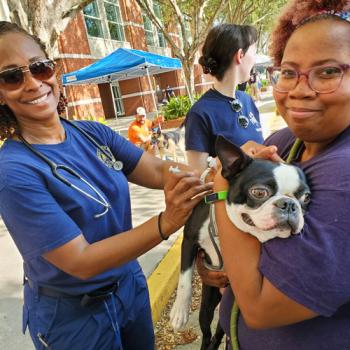
In Columbus, Georgia, Paws Humane Society launched its Neighborhood Pet Support program with funding from Best Friends Animal Society. The program's coordinator reaches out to people who've contacted the local shelter about relinquishing their pets before a pet ever enters the shelter and asks how they can help each person keep their pet.
The answers reveal the real barriers: a vet bill that's out of reach, a landlord who won't budge on a pet deposit, a dog who keeps jumping the fence and racking up citations. The program responds to each one by paying vet bills, calling apartment complexes directly, delivering crates, repairing fences, and more.
More than 600 families have stayed together because of that program — including Kywii, a dog whose person had called about relinquishing her. Instead, Kywii received veterinary care thanks to help from the program, and she's healthy and still at home.
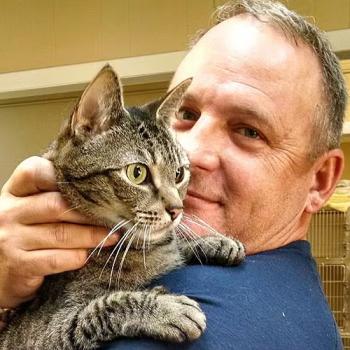
Meanwhile, in Jacksonville, Florida, the Pet Safety Net program helped Navy veteran John Ballard keep his cats, Diesel and Snowball, when a sudden military reassignment left him scrambling for pet-friendly housing 700 miles away. The program covered boarding while he secured a place to live. And in one year alone, more than 2,200 animals stayed out of the shelter because of the program.
Often, people don't feel like they have the resources to keep their cherished companions. But when more people in
We identified a need and addressed it with a program that provides proactive help for people having difficulty keeping their pets. Most of our time is spent on communication — getting to the real reason why they want to bring their pet in.
Find the support you need or pass it along to a neighbor in your community


Resources for you and your neighbors in your community




FAQ: Help with vet bills, pet food pantries, and more
I'm struggling to afford pet food. Where can I find a pet food pantry near me?
On pets.findhelp.com, you can search for free pet food programs, pet food banks, and other local support by ZIP code. It's the fastest way to see what resources are available in your area.
I have an unexpected vet bill I can't pay. Is there financial help available?
Yes. Best Friends maintains a national list of programs that offer help with vet bills, low-cost veterinary care, and emergency pet financial assistance. You can browse it at bestfriends.org/pet-care-resources/pet-financial-assistance-resources. If one program can't cover the full amount, it's sometimes possible to combine support from multiple sources.
I'm facing a sudden crisis (a housing change, a job loss, an emergency vet bill). What should I do?
Start with pets.findhelp.com to find emergency pet assistance programs near you. You can also contact your local humane society directly because many shelters have programs or referrals to help.
My landlord won't allow pets. Are there programs that can help?
Some pet support programs go beyond food and vet care. In Columbus, Georgia, for example, Paws Humane Society's Neighborhood Pet Support program has called apartment complexes directly on behalf of people with pets to help resolve housing barriers. Check with your local humane society or search pets.findhelp.com to see what resources are available in your community.
I know someone who's struggling to care for their pet. How do I bring it up without making them feel judged?
Keep it simple and share a link without a lot of commentary. Something like "I saw this and thought it might be useful" can be a nonjudgmental way to offer help. People who feel judged are less likely to ask for help, so a low-pressure share often works better than a direct conversation. Also, pets.findhelp.com is a good resource to pass along because it covers multiple types of support in one place.
My neighbor mentioned they might have to give up their pet. What can I tell them?
Let them know there are free resources that may help them keep their pet: food assistance, help with vet bills, and even support with housing. Share pets.findhelp.com and the Best Friends financial assistance list at bestfriends.org/pet-care-resources/pet-financial-assistance-resources. If rehoming turns out to be the only option, adoptapet.com/rehome and home-home.org let people place their pets directly with new families at no cost, without going through the shelter.
I want to help but I'm unable to donate. What else can I do?
Posting about pet support resources on Nextdoor or in local Facebook groups puts information in front of people who might not know it exists, and most people don't think about this until they're already in crisis. You can also organize a pet food drive or volunteer at a local food distribution event.
If keeping a pet truly isn't possible, what's the best option?
Rehoming directly without going through the shelter is usually the kindest path for the pet and the family. Rehome by Adopt a Pet (adoptapet.com/rehome) and Home to Home (home-home.org) are both free platforms that connect owners with new families directly. This keeps the number of pets entering a shelter down.
Why is it better to rehome directly instead of surrendering to a shelter?
Shelters are already at full capacity in most communities. When a pet can be placed directly with a new family, it keeps shelter space available for animals who truly have no other option. It can also be a faster, less stressful process for the pet.
Shelters and rescue groups in your community need caring people like you to adopt, foster, donate, volunteer, and advocate to help save the lives of pets.
When you give us your email address, we'll send you a list of shelters where you live. We'll continue to share more about how you can help save the lives of homeless pets.

Stories of communities working together to help pets and people
Get more stories like these delivered to your inbox
Never miss a feel-good animal story. When you give us your email, we’ll send you inspiring stories each week, along with tips on different ways you can help save homeless pets in your community and beyond.