Animal welfare needs to look like the communities it serves
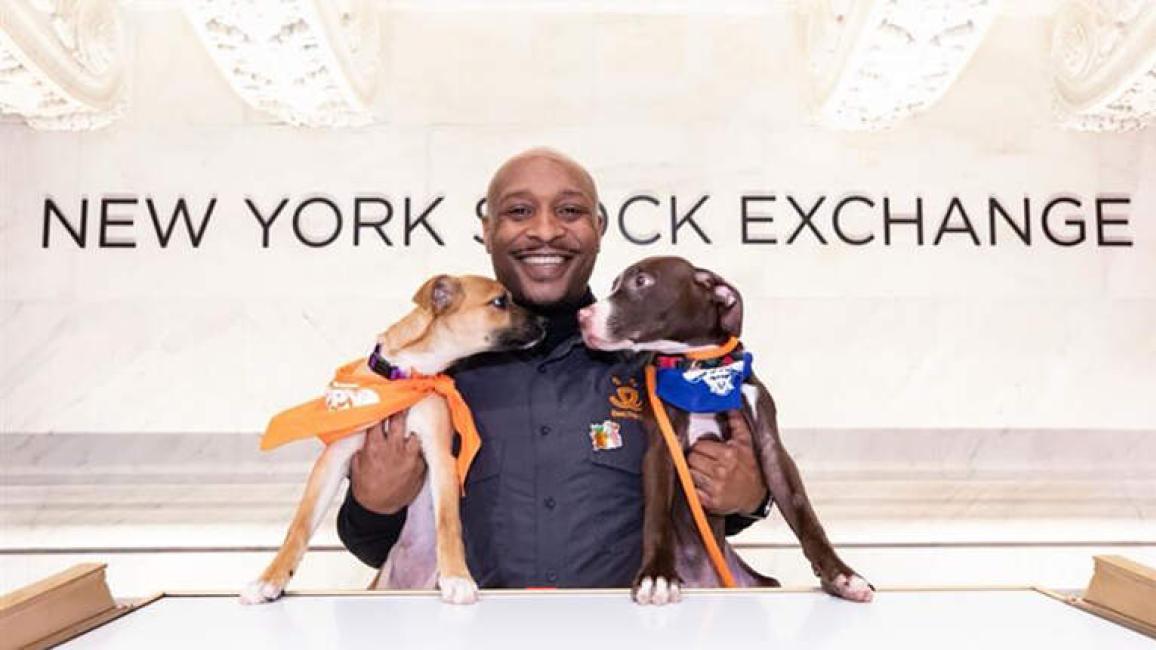
Juneteenth is a day to celebrate freedom — and to recommit to the work of building a more just and equitable world. This year, I wanted to mark the occasion by sharing a piece of writing that has stayed with me since it first appeared in the Kansas City Star this past February. It was written by Marlan Roberts, executive director of Best Friends Animal Society in New York City, and it is one of the most honest, clear-eyed reflections on race, representation, and the future of animal welfare that I have read in my nearly 30 years in this movement.
Marlan's op-ed was originally published for Black History Month, but his message is timeless and feels especially resonant this week. He writes about what it means to walk into a profession where you don't see yourself reflected and what becomes possible when that changes. I'm proud to work alongside leaders like Marlan, and I'm grateful to share his words here.
The following op-ed by Marlan Roberts originally appeared in the Kansas City Star on February 4, 2026.
KC shelter thought I was ‘a thug.’ Pets — and people — deserve better
This year marks a century of Black history being formally recognized in America. For me, that milestone is not only about honoring the past, but about naming the work still in front of us, especially in professions that quietly help shape the health of our communities. One of those professions is animal services.
I did not grow up imagining myself in my current role as an executive director with a leading national animal welfare organization. I grew up in Kansas City, in a neighborhood where spaying and neutering were not common, and puppies were everywhere. I loved animals, but the only job I ever saw connected to them was animal control. When I walked into a shelter asking if it was hiring and was offered a job cleaning kennels, I took it. That was my entry point.
I also walked into a profession where I did not look like anyone else.
Later, after I had worked at the shelter for some time, one of my supervisors confided that when I first applied, they thought I was “a thug.” I did not dress like the rest of the staff. I did not look like what they expected someone in animal services to look like. That assumption was never just about me. It was about how quickly we label people based on appearance and how easily those labels shape decisions.
That matters, because animal services is not just about animals. It’s about people.
Many people enter this field because they love animals. But that is only about one-fourth of the job. What we really do every day is work with people.
At the Best Friends Animal Society’s Adoption Center in New York City, where I have worked for the past two years, I made it a point to be people-focused and forward-thinking. Today, when visitors walk through our doors, they are welcomed. They are acknowledged. They are invited to spend time with the animals instead of observing them from behind gates. We streamlined the adoption process, centered it on conversations and created a true partnership with the public. And this is all regardless of the color of their skin.
Under our model, our adoptions increased more than 200% over a three-year period. That is not an accident. This is what happens when we understand people and meet them where they are.
Diversity matters in animal services because lived experience sharpens compassion and reduces blind spots. When leadership comes from only one narrow slice of society, we mistake privilege for responsibility and stability for worthiness.
I have spent nearly two decades in this field and witnessed a remarkable transformation. Today, 2 out of 3 animal shelters in this country save more than 90% of the pets entering their doors, a designation known as “no-kill.” Adopting animals has become easier. Shelters nationwide are evolving from impoundment facilities into true community resource centers for pets and their people.
Ending the killing of pets in animal shelters is tied directly to social justice. When people are pushed to the margins by discrimination, housing instability or poverty, their pets are pushed with them. Where we see pets suffering, we almost always see people suffering.
I am comfortable being a role model because I did not have one when I started. I had no one who looked like me to talk to, to vent to or to learn from. Representation creates permission. If people do not see themselves in animal services, they do not apply. They do not engage, and their communities remain underserved.
A century after Black history began being formally recognized in this country, we still have work to do. In animal services, the future of our success depends on building organizations that look like the communities we serve. Right now, fewer than 9% of the people who make up the workforce in animal services are Black. I want Black people to know there is space for them here, and that they can be part of the lifesaving and wellness of their own communities.
This Black History Month, I do not just want us to reflect on where we have been. I want us to think seriously about what kind of future we are building. One where animal services look like the communities it serves, where every family feels seen and respected, and where no pets lose their lives simply because the system failed to understand the people who loved them.
-Julie
This op-ed originally appeared in the Kansas City Star on February 4, 2026. Read the original piece here.