Young people bring hope for homeless pets
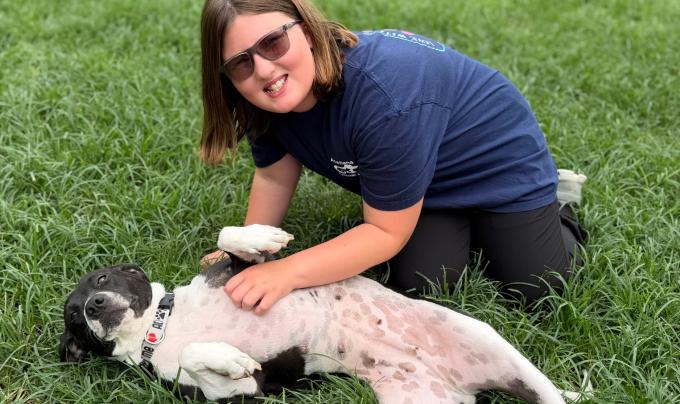
Kids, teens, and college students are stepping into animal welfare with fresh ideas and showing that lifesaving has no age requirement.
By
Kim McDaniel
As kids and teens head back to school, there’s something quietly extraordinary happening in shelters and rescue groups across the country: Young people are finding creative ways to help animals, even when traditional volunteer roles aren’t available to them.
Many shelters can’t allow volunteers under 18 to handle animals directly, but that hasn’t stopped determined young people from finding their own paths into lifesaving.
Their stories are a heartwarming glimpse of the future. The next generation is already picking up the torch, already imagining new ways to care for pets, and showing that you can practice kindness at any age.
Turning crafting into compassion
Some kids dream of becoming veterinarians. Some dream of becoming marine biologists. And some, like 10‑year‑old Harper from Louisiana, don’t wait for adulthood to start helping animals.
Harper volunteers with Acadiana Animal Aid, a Best Friends Network Partner, and she’s turned her love of crafting into a full-blown fundraising engine. What started as a simple idea — making bracelets to raise money for homeless pets — quickly grew into something much bigger. She passed her first goal ($200), then her second ($500), then her third ($1,000), ultimately raising enough to help fund surgery for Weezie, a dog who needed specialized care.

But Harper’s impact isn’t just financial. She promotes adoptable pets, writes thank‑you cards to donors, and even appeared on local TV to talk about why helping animals matters and how other kids should get involved.
“Start with something you’re good at or something you enjoy,” Harper says. “You could make things, collect donations, volunteer, foster with your family, or even just share animals that need homes. Even something that seems little can turn into something really big. You just have to start.”

Reading to shelter pets in Florida
At Jacksonville Humane Society, also a Best Friends Network Partner, an 11‑year‑old named Nehemiah discovered that his love of reading could help animals feel calmer and more comfortable. Through the shelter’s Pawsitive Reading program, he reads aloud to the dogs in the shelter, a simple act that helps reduce pets’ stress and build trust.
Since joining the program in 2024, he’s logged more than 100 hours of reading, becoming the first child in the program’s history to reach that milestone. His dedication has earned attention from local and national media, but what matters most is the impact on the animals.

Virtual fostering in Texas
For many teens, volunteering with animals means tapping into their unique skills. That often leads to meaningful, creative ways to make a difference.
At S.A.V.E. Rescue Coalition, another network partner, teens and young adults are helping pets get adopted without ever bringing them home. As part of the Best Friends Foster Forward Challenge, the rescue group launched a virtual foster program through its NextGen Junior Advisory Board. Members ages 16 to 21 are paired with veteran foster caregivers to create photos, videos, and bios for pets who need help getting noticed.
One of those pets was Peso, a 13‑year‑old Chihuahua whose foster family wasn’t comfortable using social media. They could care for the sweet, tiny dog, but promoting her for adoption was difficult. A NextGen teen volunteer stepped in, visited Peso, captured her personality on camera, and wrote a compelling bio. After just one social media post, Peso was adopted.
“That single post changed Peso’s future,” says Sara Plunk, media and programs director at S.A.V.E. “Virtual fosters can bridge the gap for busy or overwhelmed foster families, ensuring every animal has the opportunity to be seen, celebrated, and ultimately adopted.”

Running with shelter dogs in Colorado
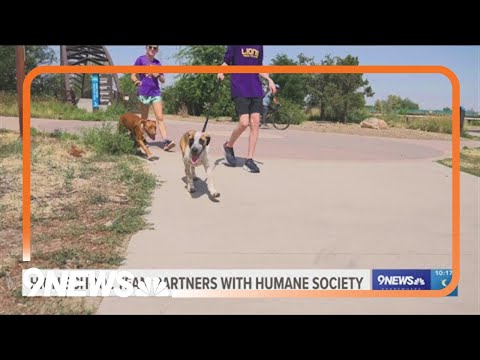
In Colorado, the Littleton High School cross-country team found a way to combine training with compassion. After seeing a video of another team doing something similar, they joined up with the Humane Society of the South Platte Valley for a pack walk and short run with adoptable dogs.
The students told a Denver TV station that they wanted to help dogs get exercise and exposure. Shelter staff told reporters the outing was good for the dogs and good for the teens, helping them see pets in shelters as loving animals.
It was a simple idea but one that gave the dogs a chance to stretch their legs, meet new people, and be noticed by potential adopters.
Good Samaritan fostering in Florida
By the time they reach college age, many young adults still want to help animals, but busy schedules, dorm living, and limited resources can make doing so difficult. Sometimes that just means finding a new way to pitch in.
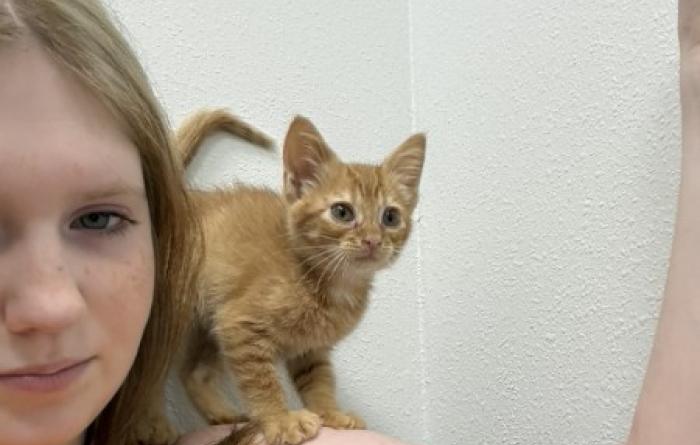
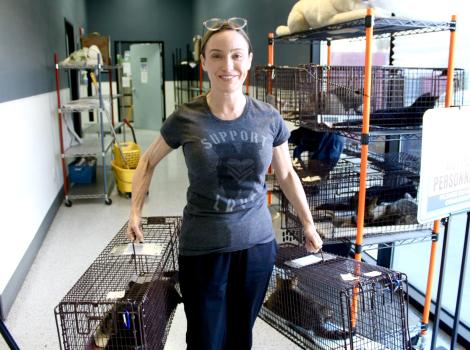
In Tampa, college student Lily found a mama cat nursing five kittens behind a gas station. She contacted St. Francis Society Animal Rescue and was enrolled in their Good Samaritan Foster Program — a practice the network partner began during Best Friends’ Foster Forward Challenge.
They pair community members who find cats or kittens and who are willing to care for them with foster mentors. The mentors provide guidance, St. Francis provides supplies and vet care, and the new foster caregivers post the animals on their own social media channels to help find adopters.
With guidance from her mentor, Lily fostered the entire family herself. She adopted one kitten, helped find the others homes through her posts and St. Francis adoption events, and is already fostering more kittens.
“I love fostering because you get to give an animal a safe, loving place to stay while they wait for their home,” Lily says. “It’s really rewarding to see their personality come out and know that you’re helping change their life.”
Amy Crosby, St. Francis’ president, says young people are ideal foster caregivers: “They’re perfect for socializing kittens. They have friends over, introduce them to different things. More hands means more confidence for the animals, and it divides the work so no one person has to do everything.”
Lily agrees that it doesn’t have to be difficult. “Start small. You can help with adoption events, donate supplies, or even spread the word about animals who need homes. You don’t have to do something huge to make a difference.”

A future filled with lifesaving
These young people are showing us all what the future of animal welfare can look like. Creative, compassionate, and community driven, their stories remind us that lifesaving isn’t limited by age, experience, or circumstance. If you want to help, there’s always a way.
Let's make every shelter and every community no-kill
Our goal at Best Friends is to support all animal shelters in the U.S. in reaching no-kill. No-kill means saving every dog and cat in a shelter who can be saved, accounting for community safety and good quality of life for pets.
Shelter staff can’t do it alone. Saving animals in shelters is everyone’s responsibility, and it takes support and participation from the community. No-kill is possible when we work together thoughtfully, honestly, and collaboratively.

You can help save homeless pets
You can help end the killing in shelters and save the lives of homeless pets when you foster, adopt, and advocate for the dogs and cats who need it most.


Saving lives around the country
Together, we're creating compassionate no-kill communities nationwide for pets and the people who care for them.

Get inspiring animal rescue stories delivered straight to your inbox
Never miss a feel-good animal story. When you give us your email, we’ll send you inspiring animal rescue stories each week, along with tips on different ways you can help save homeless pets in your community and beyond.