Characteristics of a Good Dog
Like the world of online dating, there’s no one-size-fits-all match when considering the characteristics of a good dog for you. A dog’s breed and appearance have almost nothing to do with how well they will mesh with you. Ultimately, it's best to consider all the components of their dog-hood: temperament, age, energy level, life experience, and so on. That’s how you’ll find a canine best friend who just clicks with you.
Not sure where to start when looking for a dog? Check out these characteristics to consider.

Characteristics of a good dog for a family
If you’re looking for a good family dog, these are some characteristics to keep in mind:
- Matches your lifestyle: A good dog for you is one who blends seamlessly with your family. If your family likes to take leisurely strolls around the neighborhood, look for a dog who's happy to go at your pace. If your dream is a cuddly companion who will cozy up with your family for movie nights, there are plenty of low-key couch potato pups who would love just that. If you live in an apartment or condo and are worried about a dog living in close proximity to neighbors, check your local shelter or rescue groups for dogs who already have experience living in similar circumstances. The same goes for sharing your home with other pets — many adoptable dogs already have experience living with other animals.
- Does well with kids (if you have them): If you have kids, of course they’re going to be a factor in the type of dog you choose to adopt. If your kids are older and understand how to be safe around dogs, then your options are more open. Younger kids don’t always understand a dog’s body language or safe and gentle handling. Plus, some dogs can simply be too exuberant for small children — e.g., a puppy still learning the world by exploring things with their mouth or a big, bouncy dog who plays just a bit too hard. With any child, it’s important to teach them safe handling — and to work on good manners with your dog, too. Some dogs are naturally more easygoing around kids (and you can find many dogs in shelters and rescue groups who have experience with kids), but training and supervision are still a must.
- Fits your space: A good dog for your family isn’t about the size of your home –– it’s about the love, energy, and personality that fill it. A common misconception is that large dogs need large yards. Untrue! A big dog doesn’t need a big yard or a big home to be happy. After all, there are plenty of big couch potatoes who can be found lazing around no matter the size of their home. It’s also doable to give an energetic dog of any size an active lifestyle, regardless of the space available in your home. The key is to tailor your space to their needs — offer treat puzzles, toys, companionship, and other activities to keep them busy and happy.

- Age: Age is a key consideration when picking the right dog for you and your family. Do you have the time and energy to teach a puppy how to navigate the human world? Is your family able to collaborate on the training process, or would you rather adopt an older dog who already knows where to do their business and how to navigate living in a home? Remember with age comes experience. Many adult dogs can jump right into their new family’s life like they’ve always been there because they’ve already had similar experiences. That said, there are some older dogs who would prefer a quiet home to spend their golden years, so it’s important to pick the individual dog who’s right for your life right now.
- Realistic grooming: When you close your eyes and picture your ideal dog, take a look at their fur. Is it long? Thick? Is it short? Are they hairless? Because grooming is a regular and ongoing care need for a dog, it’s something for which you should set realistic expectations for yourself and your family. If you know you won’t have the time or energy to groom a dog whose fur gets easily matted and tangled, they might not be the dog for you right now. If you couldn’t possibly imagine bathing and brushing your dog on any regimented schedule, there are many other dogs with easier grooming needs who might be a better fit for you.
- Loyalty: Loyalty is a characteristic that’s commonly attributed to “good dogs.” It’s taken on almost mythic properties, in fact. But it’s something that can form in many human-canine relationships if given time and nurturing. Dogs have been observed staying close to their people during danger or illness. Some dogs display “loyalty” by waiting for their people who have passed away — or even waiting by the door until their family returns home. Dogs come by loyalty pretty honestly. Dogs were domesticated through their ancestors who were more socially attuned and bonded to humans. This means loyalty-like traits were evolutionarily reinforced because cooperative, bonded dogs survived better alongside humans. So while dogs don’t experience loyalty as a moral choice (“I owe this person my faithfulness”), most of them do form deep and enduring bonds with their people.

Best dog if you’re active
If you’re looking for a dog who can hold you accountable for your marathon-training goals or your hiking bucket list, here are a few specific traits to look for:
- Age and physical health: Younger dogs generally keep up better with vigorous activities, but it’s always a good idea to discuss with your vet what your dog should and shouldn't do.
- Energy level and body type: Dogs with longer legs and snouts tend to have good running stamina, but this also varies on an individual level.
- Personality: Some dogs are more naturally in tune with their people and are happy to stay linked with you on runs or hikes while others will see open terrain and take off running on their own path. Likewise, some simply won’t want to keep up with you and would rather stop and sniff at every interesting smell.

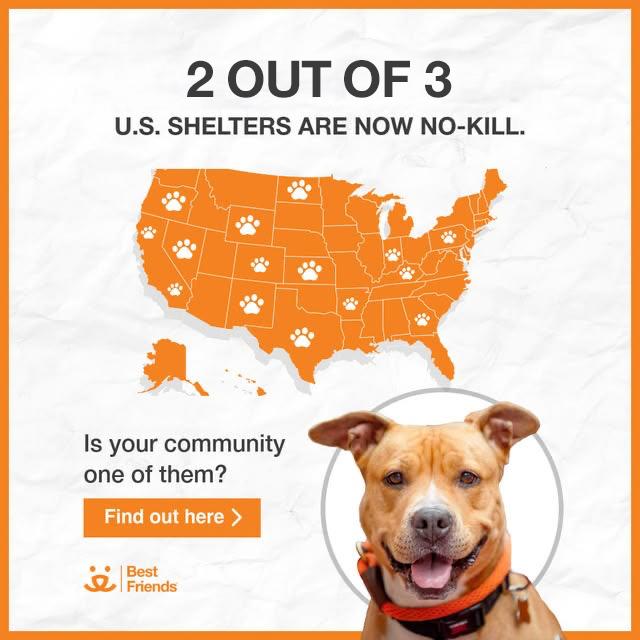
See how your community is doing
Best dog if you like to travel
If you travel a lot for work or play and you’d like to bring your dog with you, there are many dogs who’d be happy with that lifestyle. These are some factors to consider:
- Adaptability to new places, sights, smells, etc.: Some dogs are calmer and more confident when it comes to new experiences, and regularly exposing your dog to new positive experiences can help to build that confidence.
- Friendliness with unfamiliar people and pets: A dog who likes to meet new people can be a great travel companion. And remember you might see other pets on your travels too, so take that into consideration.
- Noise level: Some dogs are naturally more vocal than others, so consider how that might affect your travels.
- Energy level: Travel can be great for energetic dogs, as it can provide lots of mental stimulation and physical activity. However, sometimes travel means being cooped up in a car, plane, or hotel room for a long time — in which case a lower-energy dog might be better for you.
- Health: Dogs with special needs can certainly go on trips, but it’s important to take those needs into consideration for the types of trips you want to do. And check with your vet about the safety of certain things like air travel for your dog’s individual situation.

How to find the right dog
You’re ready to bring home a new dog, so how do you go about finding the one who’s right for you? While it might seem easier to purchase a dog from a breeder or pet store, you can just as easily find a dog at an animal shelter or rescue group who meets your needs — with the added and all-important benefit of saving their life.
Shelter and rescue group staff can be valuable assets to guide you through the process. They’re expert matchmakers. And while every dog and every person is unique, they’ve probably seen situations similar to yours. Keep an open mind and take your time. They might suggest a dog you otherwise wouldn’t have considered who turns out to be the best friend you ever could’ve hoped for.
If you’re not quite ready to adopt, fostering is a great way to learn more both about individual dogs and about what works best for you in a dog. Maybe you’ve always had small dogs, and a big dog seemed daunting until you brought one home to foster and realized they’re just more to love.
To search for adoptable dogs from Best Friends Animal Society or a shelter or rescue group near you, go to bestfriends.org/adopt.