How to Build a Pet Care Plan for Emergencies
When emergencies arise, it’s important to have a plan in place to care for your pet if you’re not able to — whether it’s during a natural disaster, health emergency, or other urgent situation. Preparing for those scenarios can make all the difference to ensure your pet’s health and safety.
The following are simple but important steps you can take to build a care plan for your pet in case of an emergency.
Identify emergency contacts for your pet
First and foremost, you'll want to select emergency contact(s). Ideally, these will be people who are local — neighbors if possible — who can be activated quickly to help provide access to your home and pet.
If you have a trusted person who is not local but can make decisions on your behalf, ensure that they are connected with someone local who will be able to help with any immediate needs (e.g., picking up a key to your home or dropping off pet food).
Compile your emergency contacts’ information and keep it accessible. Consider keeping it in your wallet as well as your home. The goal is to make it as easy as possible for someone else to care for your pet if it becomes necessary.
Prepare emergency food and supplies
Gather a two-week supply of pet food, medications, and pet care supplies (e.g., cat litter, carrier, toys, etc.). Have as much of this packed and ready as possible. Make sure your emergency contacts know where it is
Write down important information
Make copies of your pet’s vaccination records, medication schedule, and veterinarian contact information. Also, write out detailed care instructions — e.g., your pet’s diet, walking routines, and any important behavioral notes. Keep this information with your pet’s emergency supplies or somewhere else accessible where your emergency contacts know to find it.
You can also send your emergency contacts copies of this information for them to keep. All members of your family/household should know where to locate this information, too.
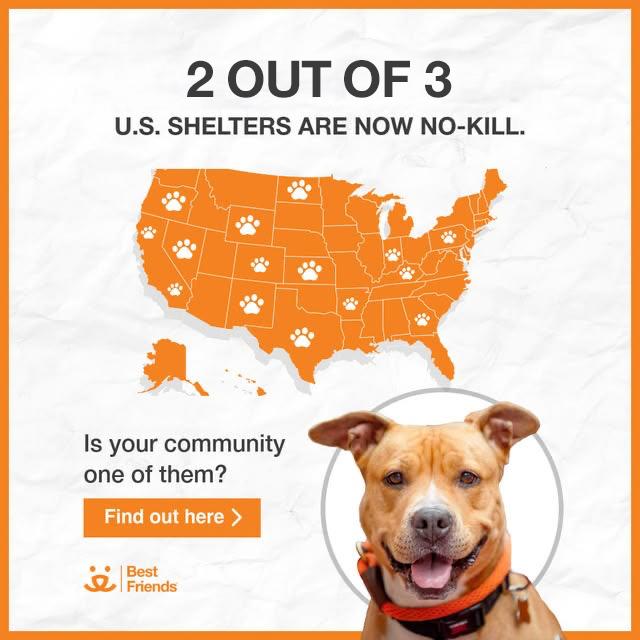
See how your community is doing
Check your pet’s ID tag and microchip
Ensure that your pet’s collar ID tag and microchip information are up to date. To check the contact information associated with your pet’s microchip, you’ll either need to know their chip number or ask someone with a microchip scanner (most vet clinics, animal shelters, and even some police and fire stations have scanners) to scan your pet for the number.
From there, you’ll need to know where the chip number has been registered. The American Animal Hospital Association maintains a pet microchip registry lookup to help you find where your pet’s chip has been registered. Once you know that, you’ll search your pet’s chip number on that registry to verify your contact details.
Hang alerts for first responders
Consider hanging “Animals Inside” cards on your doors and windows to alert first responders that there are pet(s) in your home. You can make your own or buy premade decals where you fill in your information. It’s ideal to include the number and types of pets you have, as well as contact info.
After you’ve created your emergency plan, you can use the information you’ve gathered on this form to keep it organized. Download and print copies to share with your neighbors, family, and friends.