How to Find a Wildlife Rehabilitator Near You
Finding a licensed wildlife rehabilitator near you is the best way to help a baby bird who's fallen out of the nest, a squirrel who's been hit by a car, a crow who seems unable to fly, or any other form of wildlife. In some cases, the animal might not need help at all, and a rehabilitator can guide you in assessing the situation. If the animal does need help, often time is of the essence in making that call. Many of the animals whom wildlife rehabilitators rescue are suffering from shock, exposure, dehydration, and/or malnourishment, and a delay of even a few hours can decrease their chance of survival.
Most licensed wildlife rehabilitators are available 24 hours a day. And it's ideal to find a wildlife rehabilitator near you before you actually need them; then you will feel a lot more comfortable calling them in the middle of the night if necessary.
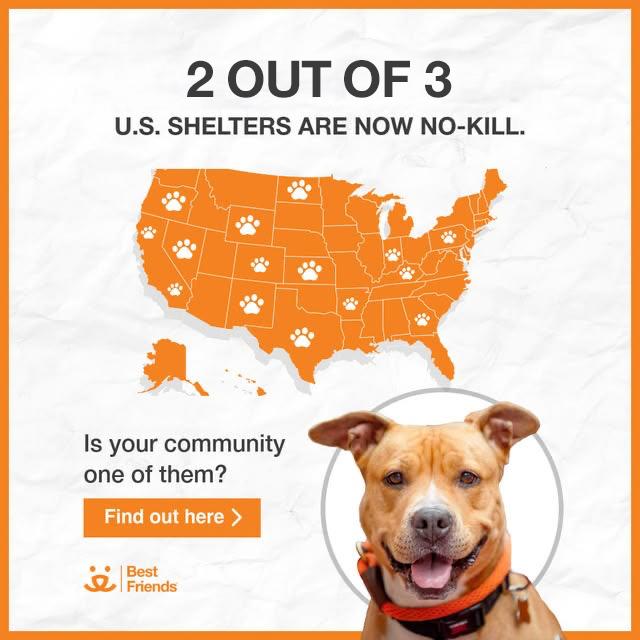
See how your community is doing
How do I find a wildlife rehabilitator near me?
The following resources can help you find a wildlife rehabilitator in your area:
- Animal Help Now leverages digital technologies to immediately connect people involved with animal emergencies with the most appropriate time- and location-specific resources and services. Animal Help Now provides immediate and appropriate assistance for any wildlife emergency, coast to coast.
- The International Wildlife Rehabilitation Council provides many helpful wildlife resources, including a directory of wildlife rehabilitators by location. It also will help you find emergency assistance under its Resources tab.
- The National Wildlife Rehabilitators Association also provides many resources both for people who find wild animals in distress and for wildlife rehabilitators (as well as those who are aspiring to become rehabilitators). Plus, it includes a map under its Resources tab that has compiled licensed wildlife rehabilitators by state.
- Your state wildlife department — often called the Game and Fish Department, the Department of Natural Resources, or the Department of Wildlife Resources — can help with injured or sick wildlife situations.
- You can contact Best Friends Animal Society’s Wild Friends department at 435-274-2198, after hours at 559-MED-WILD, or by text at 435-689-0855.
Remember, if you have found a wild animal in distress, contact a wildlife rehabilitator immediately. Even just a half hour can make a difference between life and death in some cases. And the rehabilitator can make sure everyone stays safe while handling the situation.