What to Know About Getting a Second Dog
When considering getting a second dog, knowing why will help guide you in your decision-making process. Is it to keep your current dog company? Is it because dogs are like potato chips –– you can’t have just one? Or maybe it’s because there are so many loving dogs available for adoption, and you want to save a life. Any or all of these could be true and are great places to start.
Start by considering the effect another dog would have on your current dog. If your dog is already friendly with other dogs, there’s a good chance they’ll do well with a new canine in the house (with proper introductions). If you’re unsure, there are plenty of folks who can help you figure out what type of dog would be just right for your dog and your lifestyle.
Also, consider the effect on your household. Are you able to provide food, veterinary care, and other necessities for a new dog? Who will be the primary caregiver(s), and do you have backup support?
Still on the fence? Check out these reasons to get a second dog — plus how to go about finding one who’s right for you.

Reasons for getting a second dog
There are many reasons to get a second dog, and your “why” will be unique to you. Here are just a few common reasons to consider.
It can be enriching for your current dog. Dogs tend to be social creatures. If your dog enjoys the company of other dogs, adding a second dog to your family can provide them with more consistent mental stimulation and exercise — anything from sniffing each other to playing tug-of-war together. And the more positive outlets they have for their energy, the less likely they might be to engage in certain undesirable behaviors like chewing things around the house. Just make sure to continue to give your current dog consistent attention in addition to this new friend. A new dog can’t replace you in their life.
Training is often easier. Most of the time, dog training means training the people first. So if you’ve already gone through training with your current dog, you’ll have a head start getting a new dog up to speed. Plus, dogs tend to follow each other’s cues and model each other’s behaviors. If your current dog knows to sit for a treat, for example, your new dog might start doing that without you even asking them. And if your current dog is calm when you have guests over, your new dog might naturally mimic that, too.
You know what you’re doing. Like with training, if you already have one dog in your home, that means you already know what you’re doing when it comes to canine care. You’ve probably already done a lot of the legwork that’s involved in having a dog, including finding a vet, buying supplies, and making sure your home is dog-safe. Plus, your daily routine already includes spending time with your pooch and tending to their needs. While a second dog will have their own needs, many people find that after an adjustment period, their routine doesn’t change all that much when going from one dog to two.
There’s more love to go around. While every dog will bring their own unique personality, adding another pile of mush to your home will undoubtedly mean more love to go around. Dogs are very loving creatures, and having more than one means more slobbery kisses, late-night cuddles, and fervent tail wags. The bond we share with our dogs is unparalleled. So rest assured that adding another dog to your home will result in more love and special bonding moments together — plus double the laughs.

How to get a second dog
Now for the exciting part. How do you go about getting this dog whom you’re so ready for?
While it might seem easy to purchase a dog from a breeder or pet store, you can just as easily find your dream dog at an animal shelter or rescue group — and save their life at the same time.
Around 7 million U.S. households will add a pet to their family over the next year. If just 6% more of them — or 1 in 17 more households — chose to adopt their pet from a shelter or rescue group rather than purchase from a breeder or pet store, we could reach no-kill nationwide. So by choosing adoption, you can feel good about saving a life, bringing home a new best friend, and doing the right thing for pets nationwide. It’s a win-win-win.
There are so many ways to go about meeting adoptable dogs. At bestfriends.org/adopt, you can search for adoptable dogs at Best Friends locations, as well as at shelters and rescue groups near you. Petfinder is also a great resource. It features adoptable animals from all over the country with filters of your choosing. Plus, check your community calendar for local adoption events. Some of these events even have waived or low-cost adoption fees.
You can have your list of dream dog criteria, but we also recommend keeping an open mind. Talk with the staff about what you’re interested in. They know the dogs in their care well and might be able to pair you up with one who exceeds all your expectations. Also, discuss with the staff the best ways to introduce your current dog to a new dog. You often can bring your current dog to a shelter for a doggy introduction before heading home together.

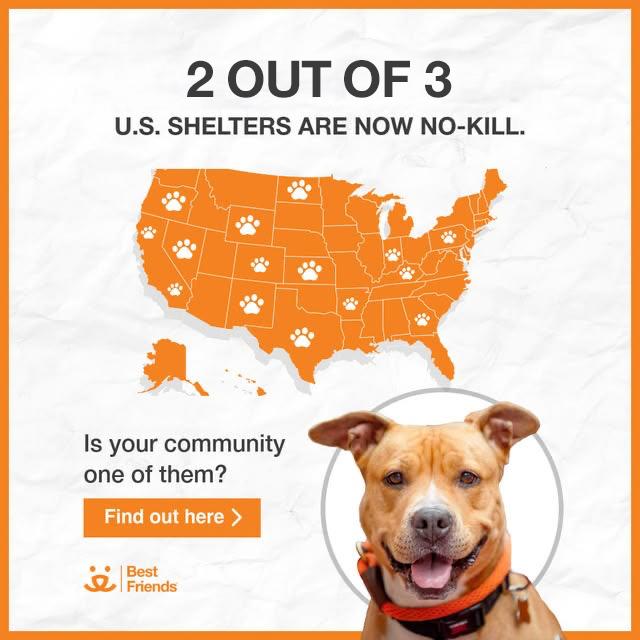
See how your community is doing
FAQs about getting a second dog
Does a second dog require more time?
Bringing home a second dog will inherently require more of your time in the beginning. Aside from time spent adjusting them to their new home, teaching them basic cues will help you and your dog communicate better. The more effort you put in from the start, the less time you will spend undoing undesirable behaviors in the long run. So, short answer? Yes, a second dog will require more time –– but mostly just in the beginning. Once everyone is settled, your new normal will probably not feel like it takes much more effort than your life with just one dog.
Do you need more space for a second dog?
In most cases no — at least not really. As long as a dog’s exercise needs are met, the size of your home shouldn’t matter all that much. While a big yard is great for dogs to run and play, don’t forget that walks, trips to the dog park, and other activities can help get a dog’s energy out, too. However, if your new dog will need a bigger bed or other items specific to them, then you’ll have to factor in more space for that (though your dogs might end up cuddling together on one bed anyway).
How much more expensive is it to get a second dog?
Depending on their size, a second dog will mean roughly double the food and veterinary costs. But dogs can share lots of things too, including toys and beds. So you won’t have to completely start from scratch and purchase all new items when getting a second dog. You might even already have extra collars, leashes, and bowls that you can use for your new dog. Extra treats are optional — though highly encouraged.
When is the right time to add a second dog to your family?
Now is always the right time –– or wrong time –– depending on how you look at things. If you’ve worked your way through all these questions and answered them honestly, then you should have a pretty good idea of whether you’re ready to add another dog to your life. And if the answer is “not right now,” that doesn’t mean you won’t ever be able to add a second dog. If you’re still unsure, try fostering a dog. Through fostering, you can help a dog in need and see what it’s like to have a second dog in your home. Plus, most shelters and rescue groups provide all the supplies and veterinary care for foster pets free of charge. You just provide the love.

The joy of a multi-dog household
When you adopt one dog, you’re saving two lives: the dog you’re taking home and the space you’re making available at the shelter or rescue group for another dog to be saved. And when you adopt a second dog, that means four lives saved. And the lifesaving just keeps growing.
We hope you take pride in being a hero for homeless pets and share your new dog’s story far and wide. It’s important for people to see just how special rescued dogs are and how well they can fit into homes that already have dogs.
As with everything, it can take time to adjust to a new furry family member. Be patient with your current dog, your new dog, and especially yourself. You’re doing an incredible thing by giving another dog the chance to spend their life with you.