Big wins for big dogs at an Arizona shelter
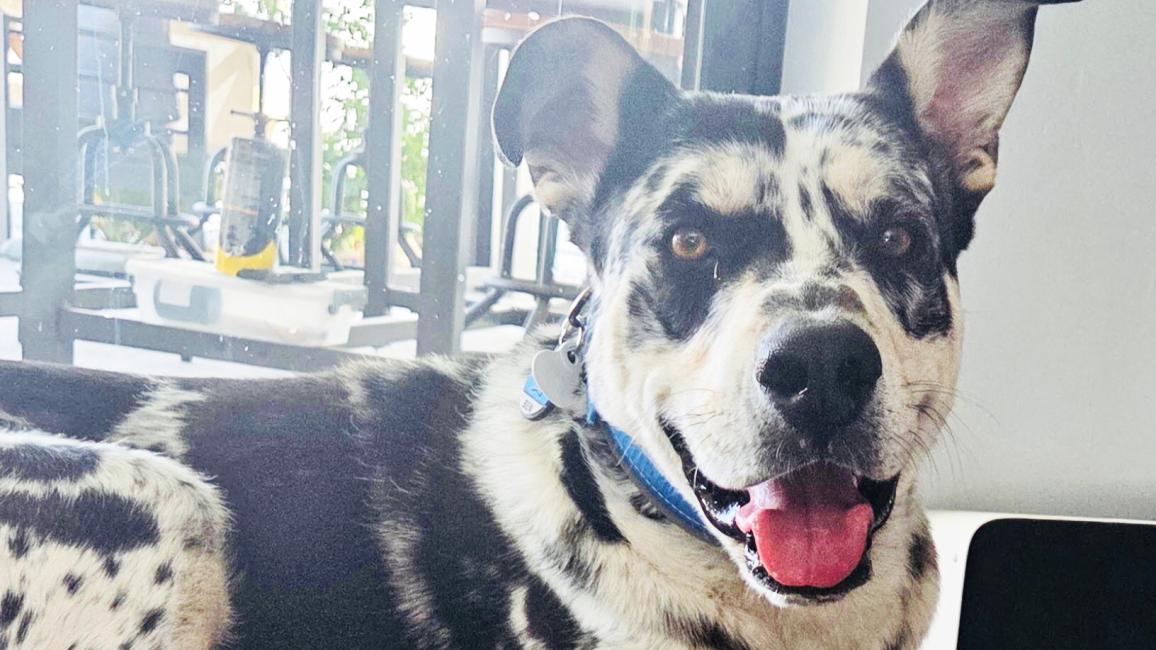
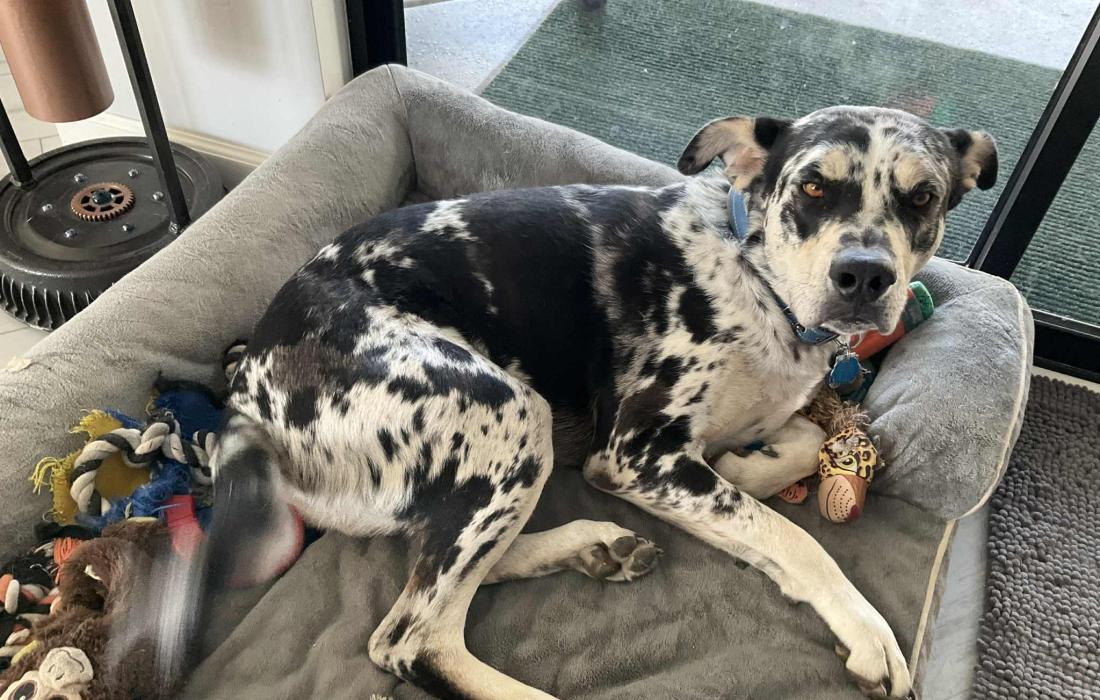
Ben, an extra-large pooch with a striking coat of black and white splotches, had been at Mohave County Animal Shelter for months. While the shelter staff could quickly find homes for puppies and smaller dogs, big dogs like Ben posed more of a challenge. In the shelter kennels, they could come across as too loud, too rambunctious, or simply too large for potential adopters.
Looking for a way to change the first impression and help big dogs have an easier time getting adopted, shelter director Nicole Mangiameli teamed up with Best Friends staff member Jessica Gutmann to brainstorm ideas. Providing this kind of one-on-one support is one of the ways Best Friends is helping shelters nationwide reach no-kill.
With a grant from Best Friends, shelter staff attended an online course from Southern Utah University, where they learned to use shelter data to guide them.
“This course was effective because it got the shelter really thinking about and looking at their data,” says Jessica. “That’s how they identified that big dogs needed the most help getting out of the shelter and into homes.”
Nicole and her team built a multi-pronged plan to help big dogs get noticed — and the “big dog squad” quickly became its heart.

The big dog squad
The concept of the big dog squad is simple but powerful: Pair volunteers with adoptable big dogs, teach them basic skills with trainers at PetSmart stores, and let community members see the dogs at their best — outside the shelter, proudly wearing bright red vests that read “Adopt Me.”
Each dog learns simple cues like “sit” and “stay.” The sessions build confidence and manners — and attract plenty of attention. Shoppers stop mid-aisle to watch and ask questions, and sometimes they end up adopting one of the dogs that very same day. “That visibility and training really help with adoptions,” says Nicole.
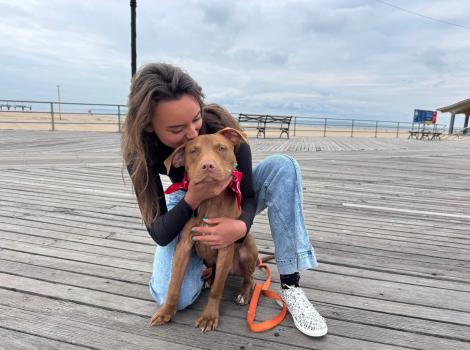
[Happy tails from big dogs in their new homes]
The furry graduates earn certificates displayed in the shelter lobby, where photos of each smiling “student” adorn the glass walls. Also, every adopter receives a free six-week training class at PetSmart, reinforcing what the dog learned and giving new families a way to bond right from the start. “It’s not just training the dogs,” Nicole says. “It’s training the humans, too.”

Big wins for big dogs
Visibility for big dogs at the shelter didn’t stop there. The team also launched a creative community outreach effort that includes a weekly radio segment streamed on Facebook, a partnership with a local car dealership to display adoptable pets on digital billboards, and cheerful “day in the park” videos on social media showing dogs being their sweet, goofy selves — romping, relaxing, and walking calmly on leash with volunteers.
That same focus on visibility extends to foster care, another key part of the plan. Getting dogs into homes, even temporarily, helps them decompress, show their true personalities, and connect more easily with potential adopters.
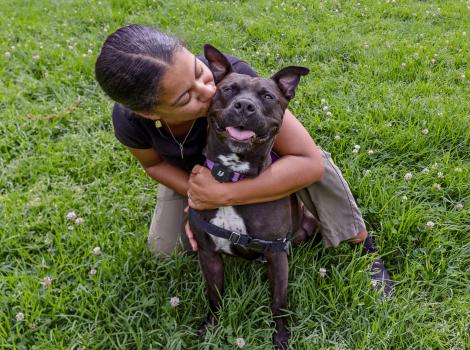
[Big hunk of love dog lands a home]
All of this adds up to big wins for big dogs. June 2025 marked the shelter’s first month with a save rate (the percentage of animals who leave a shelter alive or are still there waiting for an outcome) above 90% in two years.
“They’re doing everything they can to get those dogs out of the shelter,” says Jessica. “And it’s really making a difference.”

Big Ben’s new beginning
Since launching the big dog squad, dozens of dogs have graduated and landed in homes of their own — including Ben.
At first, Ben was so shy that “he wouldn’t even let us leash him up to go outside,” Nicole recalls. So he joined the big dog squad with a volunteer whose calm energy helped him blossom. In no time at all, Ben learned to sit proudly in his red “Adopt Me” vest, greeted shoppers at PetSmart, and even visited the local radio station to show off his new confidence.
Not long after, Ben met a family who’d been following his story on the shelter’s social media. They arrived with a food dish and a shiny new name tag already engraved with his name. “Ben’s story is just magical,” says Nicole. “These people were so excited to adopt him. The man had tears in his eyes.”
For Nicole and her team, the new approach is all about helping big dogs put their best paw forward to catch more adopters’ eyes. “We stopped asking people to imagine who a dog ‘could be’ and started showing them,” she says.
And for Ben, that visibility turned into a future as bright as his shiny new name tag.

Let's make every shelter and every community no-kill
Our goal at Best Friends is to support all animal shelters in the U.S. in reaching no-kill. No-kill means saving every dog and cat in a shelter who can be saved, accounting for community safety and good quality of life for pets.
Shelter staff can’t do it alone. Saving animals in shelters is everyone’s responsibility, and it takes support and participation from the community. No-kill is possible when we work together thoughtfully, honestly, and collaboratively.
You can help save homeless pets
You can help end the killing in shelters and save the lives of homeless pets when you foster, adopt, and advocate for the dogs and cats who need it most.


Saving lives around the country
Together, we're creating compassionate no-kill communities nationwide for pets and the people who care for them.
Let’s be friends!
Connect with us on social media to stay in the loop about the lifesaving progress we’re making together.


