Book review: ‘The Rainbow Bridge’
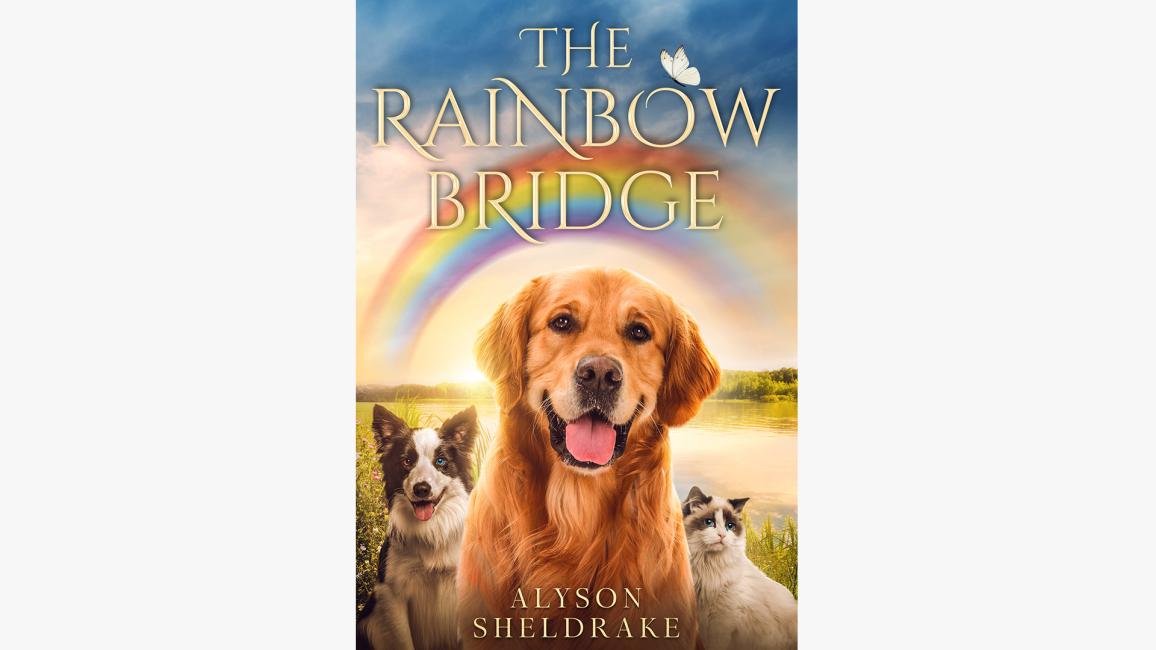
The Rainbow Bridge by Alyson Sheldrake. Tardonini Publishing, 2025. Paperback, 267 pages.
I suspect that almost everyone reading this review is familiar with the story of the Rainbow Bridge, where animals in the afterlife wait to be reunited with their people. In her new fantasy novel, artist and author Alyson Sheldrake explores the Rainbow Bridge from many vantage points.
As the book opens, Laura Adams, a young artist, is grieving the death of her beloved golden retriever, Molly. One day, while painting a picture of Molly, Laura feels compelled to add a white butterfly to the portrait. Drawn inextricably to the glistening butterfly, Laura touches it and is magically transported to a meadow where Molly joyously greets her.
To provide more of the plot, however, would spoil this wonderful novel for potential readers. As in many fantasy novels, there is a power struggle between the forces of good and evil, but Alyson’s book ends triumphantly for the waiting animals and those who love them.
At the heart of The Rainbow Bridge is the unbreakable bond between people and the animals they love. The author speaks so eloquently to this theme, which is no surprise. Alyson’s memoir Kat the Dog: The Remarkable Tale of a Rescued Spanish Water Dog (reviewed here a few years ago) is one of the most moving tributes to an animal companion I have ever read. Her compassion for her fictional characters, both human and animal, shines through in this work, too, making The Rainbow Bridge a book sure to help those coping with the loss of an animal companion.
Are you the author or publisher of a book about animals that you would like considered for review? Please send the details to editor@bestfriends.org.
Let's make every shelter and every community no-kill
Our goal at Best Friends is to support all animal shelters in the U.S. in reaching no-kill. No-kill means saving every dog and cat in a shelter who can be saved, accounting for community safety and good quality of life for pets.
Shelter staff can’t do it alone. Saving animals in shelters is everyone’s responsibility, and it takes support and participation from the community. No-kill is possible when we work together thoughtfully, honestly, and collaboratively.
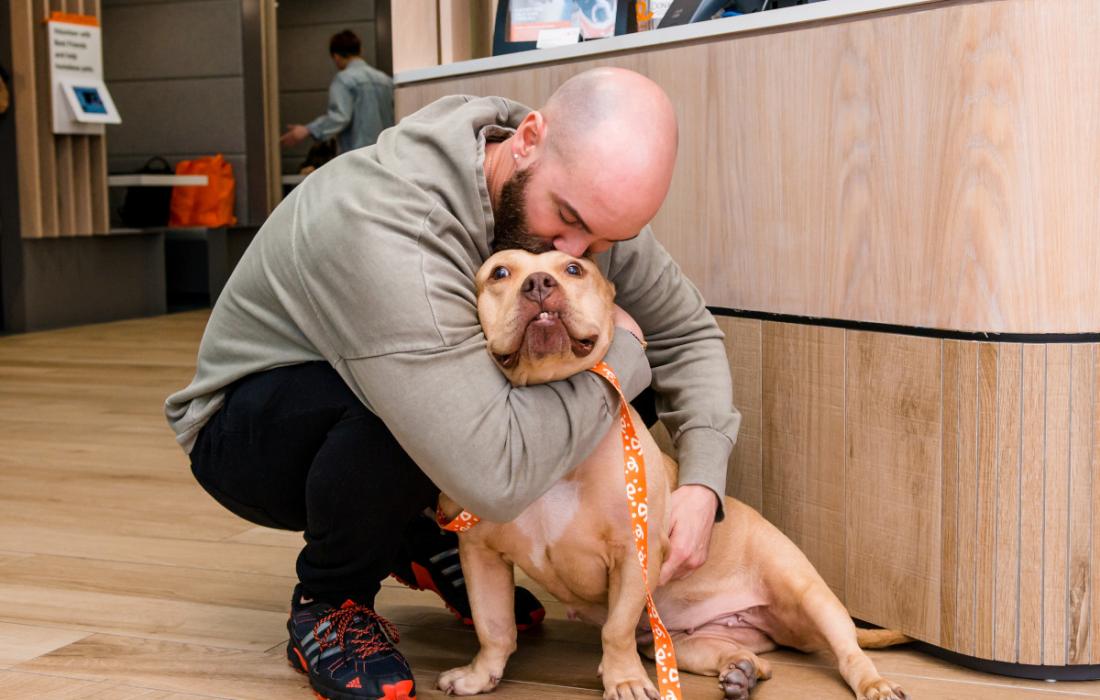
You can help save homeless pets
You can help end the killing in shelters and save the lives of homeless pets when you foster, adopt, and advocate for the dogs and cats who need it most.


Saving lives around the country
Together, we're creating compassionate no-kill communities nationwide for pets and the people who care for them.

Let’s be friends!
Connect with us on social media to stay in the loop about the lifesaving progress we’re making together.


