Doggy delivery program drives adoptions
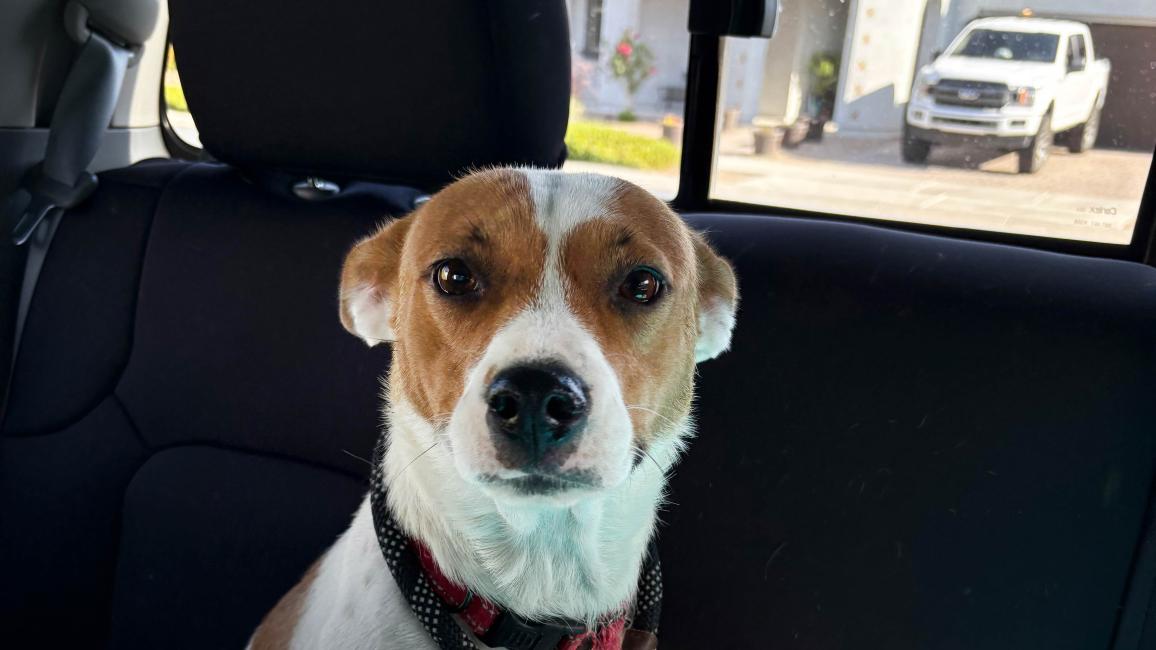
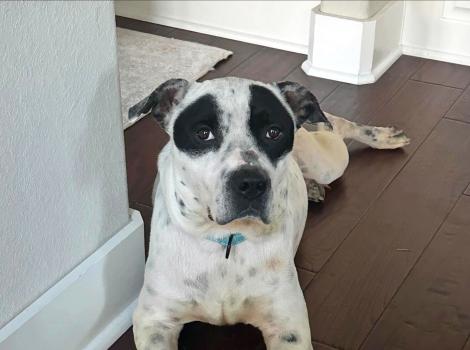
Rosie had a hard start. She was found nursing her puppies inside a tire in a junkyard in rural Arizona and taken to Cooper’s Chance Animal Rescue, an Arizona-based Best Friends Network Partner.
Rosie and her puppies spent time in a foster home, where they grew healthy and strong. Then, with the pups weaned, it was time to get adopted.
It didn't take long for a family to show interest in Rosie. The only issue? They were expecting a baby “and weren’t able to travel easily to meet dogs through traditional adoption events or shelter visits,” says Shannon Steemke, Cooper’s Chance founder and president.
At some organizations, this might have spelled the end of the story for that family to adopt Rosie.
Cooper’s Chance takes a different approach. “Transportation challenges, busy schedules, hesitation about the first transition moment — we solve those,” Shannon says. “Cooper’s Chance has always focused on making adoption accessible.”
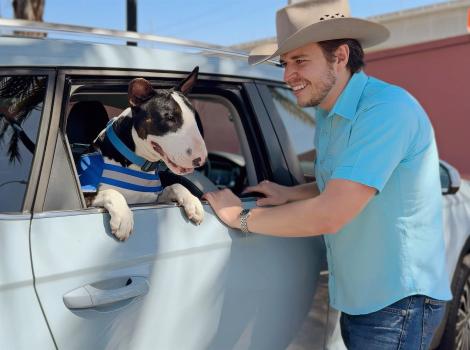
Making adoption accessible is such a guiding principle that Cooper’s Chance has a whole program to bring pets to people who are interested in adopting called Doggy Dash.

Meeting adopters where they are
The Doggy Dash program launched early in the COVID-19 pandemic. Cooper’s Chance had 30 dogs and puppies available for adoption, and they weren’t going to let the world shutting down get between those pups and new homes.
“When people couldn’t come into shelters or attend adoption events, we had to pivot quickly,” Shannon says. “Restaurants were delivering meals. Stores were delivering groceries. And it sparked an idea: Why couldn’t we deliver adopted dogs?”
In the beginning, the program got a teasing nickname, “Amazon Prime for shelter pets,” that may have reflected some initial apprehension.
But Shannon and her team soon learned that bringing pets to adopters’ homes was no joke. Not only did this pet delivery eliminate the issue of adopters needing transportation, but it also meant that potential adopters were meeting pets in their own homes — lending itself to calmer introductions and making it much easier for everyone to gauge whether a dog would be a good fit.
“Meeting adopters at their homes actually gave us more insight, not less," says Shannon. "Dogs transitioned more smoothly into their homes, adopters felt more supported during the process, and we were able to remove many of the barriers that prevent people from adopting.”
It didn't take long for Doggy Dash to be full speed ahead. “Once everyone saw how well it worked, the initial skepticism faded, and the program quickly became something our entire community embraced,” Shannon says.
Helping dogs get home
Shannon sees Doggy Dash as just one important piece of the mission to remove the obstacles that could prevent someone from adopting a dog into a loving home.
The rescue group also promotes trial adoptions, conversation-based adoption applications, digital meet and greets, and many other practices aimed at bringing in people who may have felt excluded by a more traditional process, including seniors, people with disabilities, and families without transportation.
Busting barriers between adoptable pets and home
Shannon has plans to make Doggy Dash even more user-friendly and streamlined, hoping to grow the program geographically and to teach other organizations how to start similar programs in their communities. It’s all about bringing more pets home and saving more lives.
“When you remove barriers and support people through the process, more dogs find homes, and they stay there,” Shannon says.
Rosie’s ride
Over 1,000 pets have been “dashed” into homes since the program launched. Rosie is one of them.
She caught a ride to her prospective family’s house, where she met the resident humans and their dog. The person from Cooper’s Chance who drove Rosie stayed to answer questions and then remained in contact via text and email, as a trial adoption transitioned into Rosie being home for good.
Rosie has become best friends with her canine sibling and her human family members, too. She is now an expert floor cleaner who never lets a dropped morsel go unlicked, and she loves hanging out in bed as her people get ready for work in the morning.
“It was the best fit we could have hoped for,” says Kylee Altman, Rosie’s adopter.
It's exactly what Shannon hoped for, too: a chauffeured ride to comfort and love for this dog who once protected her puppies inside of a tire.
“That delivery made all the difference,” Shannon says. “Adoption isn’t just about paperwork. It’s about meeting people where they are in life. Sometimes, the only barrier between a dog and a home is logistics.”

Let's make every shelter and every community no-kill
Our goal at Best Friends is to support all animal shelters in the U.S. in reaching no-kill. No-kill means saving every dog and cat in a shelter who can be saved, accounting for community safety and good quality of life for pets.
Shelter staff can’t do it alone. Saving animals in shelters is everyone’s responsibility, and it takes support and participation from the community. No-kill is possible when we work together thoughtfully, honestly, and collaboratively.
You can help save homeless pets
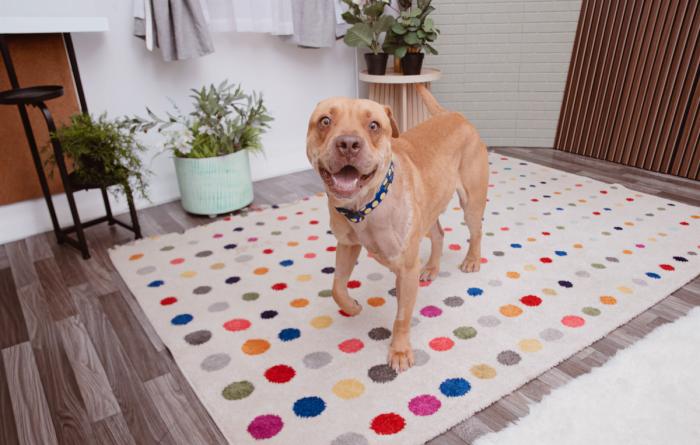
You can help end the killing in shelters and save the lives of homeless pets when you foster, adopt, and advocate for the dogs and cats who need it most.


Saving lives around the country
Together, we're creating compassionate no-kill communities nationwide for pets and the people who care for them.
Get inspiring animal rescue stories delivered straight to your inbox
Never miss a feel-good animal story. When you give us your email, we’ll send you inspiring animal rescue stories each week, along with tips on different ways you can help save homeless pets in your community and beyond.