Faces of No-Kill: One cat’s road to recovery
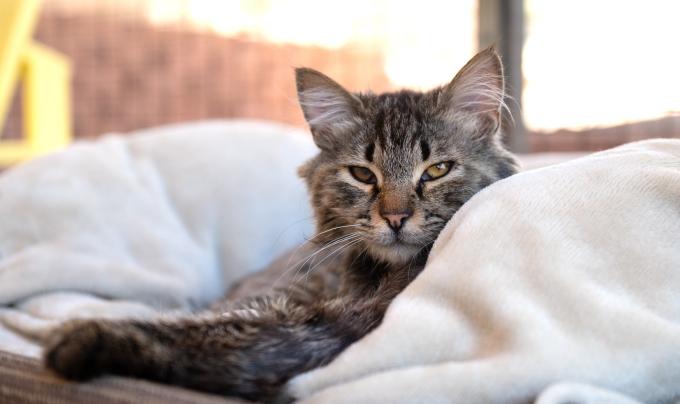
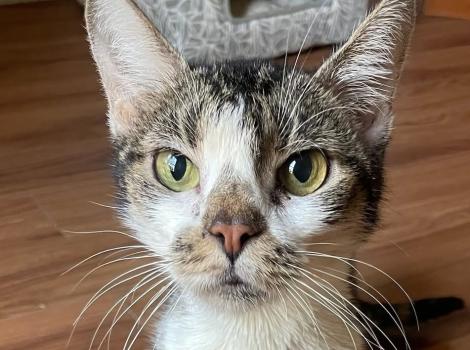
Wally may demand a snack or two, but he’s always polite about it. His sweet meow rings out as soon as the treat bag crinkles, usually with some tinier meows echoing close behind. Like the great mentor that he is, Wally has taught his younger kitty friends just how fantastic treats from the caregivers at Best Friends Animal Sanctuary are. And he needed all his friends at the Sanctuary to help him feel his best.
VIDEO: behind the scenes in Cat World at Best Friends Animal Sanctuary
This fluffy boy came to Best Friends after he was diagnosed with feline infectious peritonitis (FIP), a life-threatening viral disease in cats that until recently had no treatment available to veterinarians in the U.S. The veterinary team also found that he has feline leukemia virus (FeLV), which weakens a cat’s immune system and has no cure.
He was understandably cautious around new people and nervous about his veterinary treatments. But with care and lots of love, his personality started to shine.
This story is a part of our Faces of No-Kill series, highlighting the journey of pets who lost their place to call home. These pets are thriving today thanks to animal shelters that said yes to lifesaving with a community that found a way to save them. Best Friends’ goal is for every shelter and every community to reach no-kill, and this story shows why that’s so important.
Help to feel his best
Wally spent time at the Sanctuary’s clinic being treated for what’s known as wet FIP, where fluid builds up in a cat’s abdomen and chest. The treatment includes 84 days of medication. And once Wally completed those 84 days, caregivers had to spend another 84 days observing him to make sure his symptoms didn’t return.
This resilient kitty unfortunately had a longer road to recovery. His symptoms returned, and he went through treatment again.
Hope for a cat with a once-fatal prognosis
But there was a bright spot to the extended care. Not only was he finally feeling better, but he was also becoming more comfortable around his caregivers. Somewhere along the way, Wally realized that people weren’t only there for medications and treatments. They were also the ones bringing treats, toys, and gentle scratches.
The cautious cat who once eyed people warily began seeking out ways to interact with them — often on his own mischievous terms.

The perching prankster
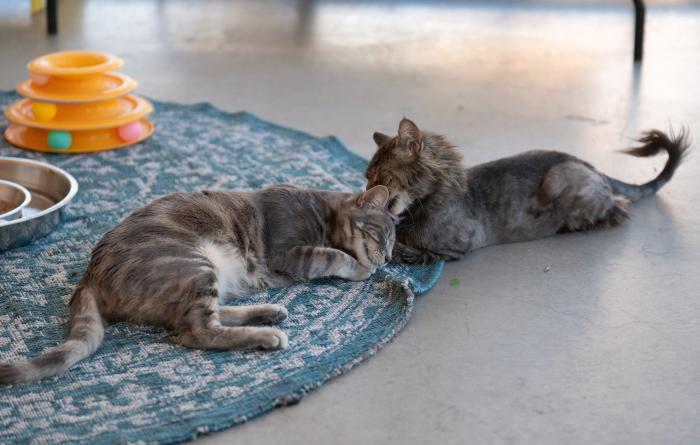
Because FeLV is contagious, Wally moved into one of the Sanctuary's buildings where he could safely live with other cats who also have FeLV.
“He loves to climb and be up high,” says Best Friends caregiver Dax Ott. Wally’s tall perches give him the perfect place to play one of his favorite games. “He’ll wait until someone is standing near his perch, then reach out and boop them with a paw,” Dax says, but only if they aren’t paying attention. It's a game he never seems to get tired of.
Wally has also discovered how much fun toys are, and he doesn’t simply bat them around. He takes them everywhere he goes, even filling his bowl with so many toys that he has to dig for his food underneath them.
And his penchant for piles extends beyond cat toys. One morning, caregivers arrived to find that Wally had gathered all the rugs and piled them with all the toys he could find just beyond the door.

The good life, according to Wally
The cat who once kept his distance now happily trots over to greet caregivers, chatting the whole way. These days, Wally is quick to ask for attention and even quicker to lean into it, soaking up all the affection. It’s only a matter of time before he charms his way into a home of his own.
For now, Wally can be found leading the charge for treats, and it’s a role that suits him perfectly. After everything he’s been through, Wally has embraced the good life — and he’s more than happy to show others the way.

Let's make every shelter and every community no-kill
Our goal at Best Friends is to support all animal shelters in the U.S. in reaching no-kill. No-kill means saving every dog and cat in a shelter who can be saved, accounting for community safety and good quality of life for pets.
Shelter staff can’t do it alone. Saving animals in shelters is everyone’s responsibility, and it takes support and participation from the community. No-kill is possible when we work together thoughtfully, honestly, and collaboratively.
You can help save homeless pets
You can help end the killing in shelters and save the lives of homeless pets when you foster, adopt, and advocate for the dogs and cats who need it most.


Saving lives around the country
Together, we're creating compassionate no-kill communities nationwide for pets and the people who care for them.
Get inspiring animal rescue stories delivered straight to your inbox
Never miss a feel-good animal story. When you give us your email, we’ll send you inspiring animal rescue stories each week, along with tips on different ways you can help save homeless pets in your community and beyond.