How fostering saves young kittens like Lucky
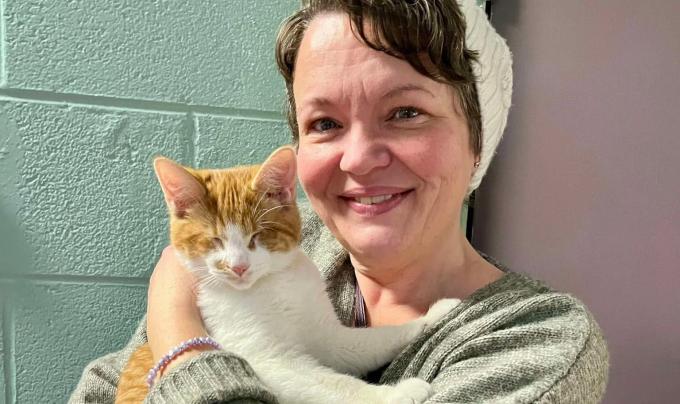
When a group of kind children found the tiny orange-and-white kitten, struggling and injured, they and their parents brought the little guy to Michigan Anti-Cruelty Society for help.
The shelter’s veterinary team got right to work, treating his injuries and setting him on the road to recovery. They gave him a hopeful name, too: Lucky.
Lucky got lucky again when he went to a foster home where he could get the round-the-clock care and attention he needed to thrive.
Not that long ago, though, Lucky’s fate could have been very different.

A new approach for cats and kittens
In 2022, Michigan Anti-Cruelty Society (MACS) had a save rate — the percentage of animals who leave a shelter alive or are still there waiting for an outcome — of just 40%, but they wanted to improve.
Best Friends Midwest Regional Director Stacy Rogers was part of the team that worked side by side with this Best Friends Network Partner in Detroit to help them save more animals’ lives. Providing this kind of one-on-one support is one of the ways Best Friends is helping shelters nationwide reach no-kill.
Poring over years of shelter data led to the realization that kittens and cats who live outdoors in the community and aren’t acclimated to people were the shelter’s two most at-risk groups. So in 2023, a cat lifesaving pilot program was born.
“MACS changed their approach to everything, and we helped them make a plan to pace the changes and make it attainable,” Stacy says.
A trap-neuter-vaccinate-return (TNVR) program to care for community cats and prevent them from unnecessarily entering the shelter was one important prong.
The other focused on the kittens. This part involved improvements like converting a storage room into a dedicated kitten nursery, bolstering kittens’ medical care, and developing relationships with other organizations that could take in kittens.
Foster to save lives this kitten season
MACS also focused on building a robust foster program, so young kittens could be in people’s homes while growing healthy and strong — instead of spending those tender weeks in a shelter, where they are more vulnerable to illness. The MACS team also offered supplies and support to people who found healthy kittens in the community, asking them to temporarily foster the kittens instead of bringing them to the shelter.
And then they had to see. Would people say yes to fostering kittens? And would it make a difference?
The answer to both questions was a resounding yes.
“People were overwhelmingly willing to help,” MACS Executive Director Teresa LaCross says. “The results exceeded every expectation.”

Fostering helps kittens go from at risk to adopted
New data analysis conducted by Best Friends in collaboration with Dr. Julie Levy, director of the shelter medicine program at the University of Florida, shows exactly why foster caregivers for kittens are so important — especially when the kittens are very young.
Examining 460,671 records from 232 shelters revealed something important and actionable: Young kittens are most at risk. But once they reach 8 weeks old, they become among the most adoptable animals in a shelter.
That means a short period of intensive care is all that stands in the way of kittens getting through their most vulnerable stage and going to homes of their own.
The takeaway is simple: When shelters ask more people to foster kittens, far more of these vulnerable pets live.
Community rallies to save lives
In the first year of the cat lifesaving pilot, MACS had a goal of improving lifesaving by 500 more cats and kittens compared to the previous year. Instead, Teresa says, they achieved double that goal.
These results have only kept going, with the shelter having a save rate of 91% so far in 2026 for cats. This progress wouldn’t have been possible without the shelter’s dedicated foster caregivers — like the people who fostered little Lucky and then adopted him.
“We decided to foster him initially because he was in a very rough condition for such a little baby, and it just broke my heart,” says Katie Cochrane, who fostered Lucky with her mother.
Stepping up to save orphaned kittens
They intended it to be temporary. They’d nurse Lucky to health, so he could go to a home of his own. Not quite two years later, he’s part of their home. Katie calls Lucky her “fluffy best friend.”
She says that Lucky's good life, and her good life with him, is all the proof you’d need for the power of fostering.
“He is the sweetest boy and has been through so much,” Katie says. “I would absolutely encourage people to foster.”

Let's make every shelter and every community no-kill
Our goal at Best Friends is to support all animal shelters in the U.S. in reaching no-kill. No-kill means saving every dog and cat in a shelter who can be saved, accounting for community safety and good quality of life for pets.
Shelter staff can’t do it alone. Saving animals in shelters is everyone’s responsibility, and it takes support and participation from the community. No-kill is possible when we work together thoughtfully, honestly, and collaboratively.

You can help save homeless pets
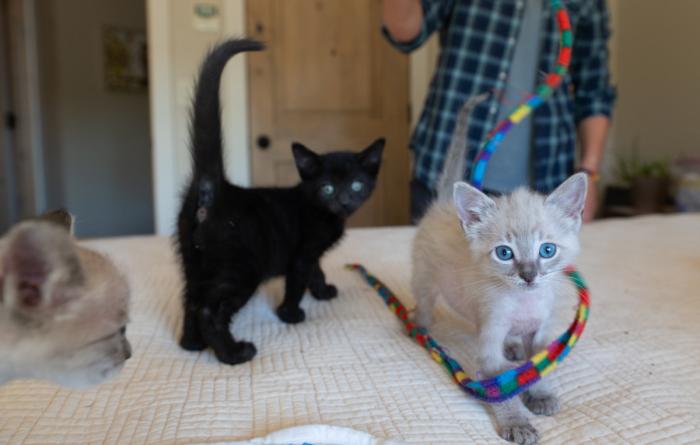
You can help end the killing in shelters and save the lives of homeless pets when you foster, adopt, and advocate for the dogs and cats who need it most.


Saving lives around the country
Together, we're creating compassionate no-kill communities nationwide for pets and the people who care for them.
Get inspiring animal rescue stories delivered straight to your inbox
Never miss a feel-good animal story. When you give us your email, we’ll send you inspiring animal rescue stories each week, along with tips on different ways you can help save homeless pets in your community and beyond.