Pet lifesaving is up, but shelters need help
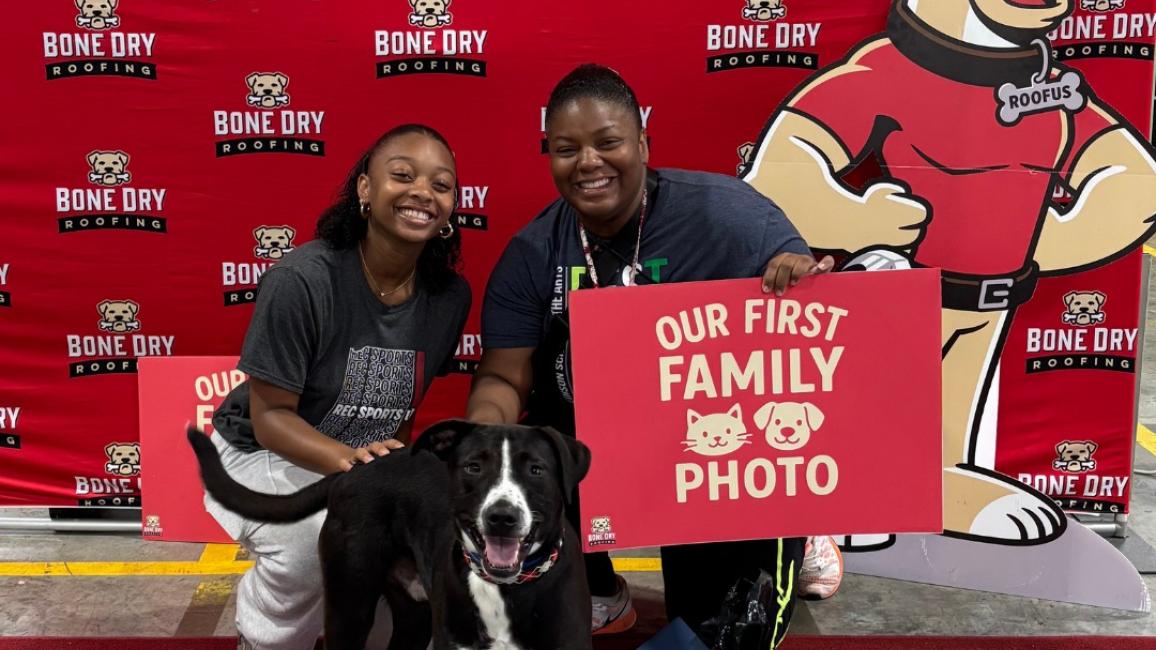
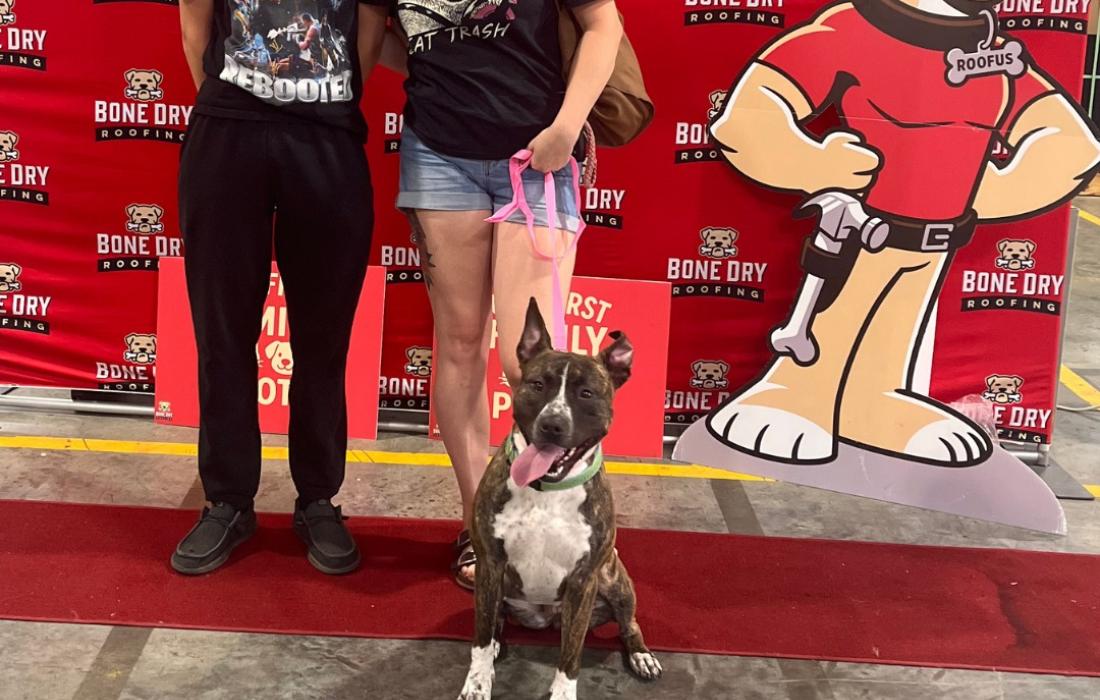
In Indianapolis, the city’s animal shelter is charting a new course. The team at Indianapolis Animal Care Services is making it easier for people to adopt pets from them and focusing on each animal’s needs. Those changes mean they’re saving more pets’ lives. In fact, they increased adoptions by 271 pets in the first half of 2025.
Kelly LaRoche, administrator of policy & planning for the shelter, says the improvement stems from a teamwide focus on better efficiency, collaboration, and a culture grounded in compassion.

A new path forward
Each day begins with staff walking through the shelter, checking in on every animal there. They then regroup to discuss each animal’s next best step, whether it’s adoption, if they’d benefit from going to a foster home, transferring them to a rescue group, or another path out of the shelter.
That individual focus on each pet has helped the shelter to reduce overcrowding, which Kelly says has not only saved animals’ lives but the staff like it, too. She’s finding that people are happier and stay in their jobs longer these days.
[Pet adoptions skyrocket at Indiana shelter]
“We finally have a really good team that is sticking with us,” she says. “My goal was to nurture attitudes of non-bias and non-judgment toward people.”
It's working. Beyond internal changes, Indianapolis Animal Care Services has also found new ways to connect with people in the community. While adoptions were already free, the shelter has added creative outreach and events to draw attention and bring more potential adopters through the doors.
Encouraging trends
This kind of progress isn’t limited to just one shelter in the Midwest. Across the country, animal shelters are saving more dogs and cats than they were just a year ago. New mid-year data shows that U.S. shelters saw a 19% increase in lifesaving between January and June 2025, compared to the same period in 2024.
Meaningful gains in the work to save more pets’ lives are encouraging, especially for dogs, as they have faced some of the biggest challenges in recent years if they end up in a shelter.
[Animal shelters’ no-kill state of mind]
According to Best Friends’ analysis of data from 864 shelters, the number of dogs’ lives saved increased by 20% in the first half of 2025, the first year-over-year improvement since before the pandemic. Cats also saw a nearly 18% boost, continuing a trend of improvement.
These results reflect what’s possible when animal shelters, community organizations, and residents work together, whether that’s by adopting, fostering, donating, or helping keep lost and rehomed pets out of shelters altogether.

Community support is essential
Still, the challenges facing pets remain. Many animal shelters continue to operate over capacity and without enough local support. With an estimated 7 million U.S. households expected to add a pet this year, the opportunity for continued progress is clear: If just 6% more of those families choose to adopt their next pet from a shelter instead of buying from a breeder or pet store, the country could reach no-kill.
Indianapolis has shown what’s possible when compassion, collaboration, staff who love their jobs, and a community that shows up lead the way. Shelters across the country are ready to follow that lead, but they can’t do it alone. More pets are saved when people get involved and support their local animal shelters however they can.
Let's make every shelter and every community no-kill
Our goal at Best Friends is to support all animal shelters in the U.S. in reaching no-kill. No-kill means saving every dog and cat in a shelter who can be saved, accounting for community safety and good quality of life for pets.
Shelter staff can’t do it alone. Saving animals in shelters is everyone’s responsibility, and it takes support and participation from the community. No-kill is possible when we work together thoughtfully, honestly, and collaboratively.
You can help save homeless pets
You can help end the killing in shelters and save the lives of homeless pets when you foster, adopt, and advocate for the dogs and cats who need it most.


Saving lives around the country
Together, we're creating compassionate no-kill communities nationwide for pets and the people who care for them.
Let’s be friends!
Connect with us on social media to stay in the loop about the lifesaving progress we’re making together.


