Home sweet bone: Adopted cat living in museum
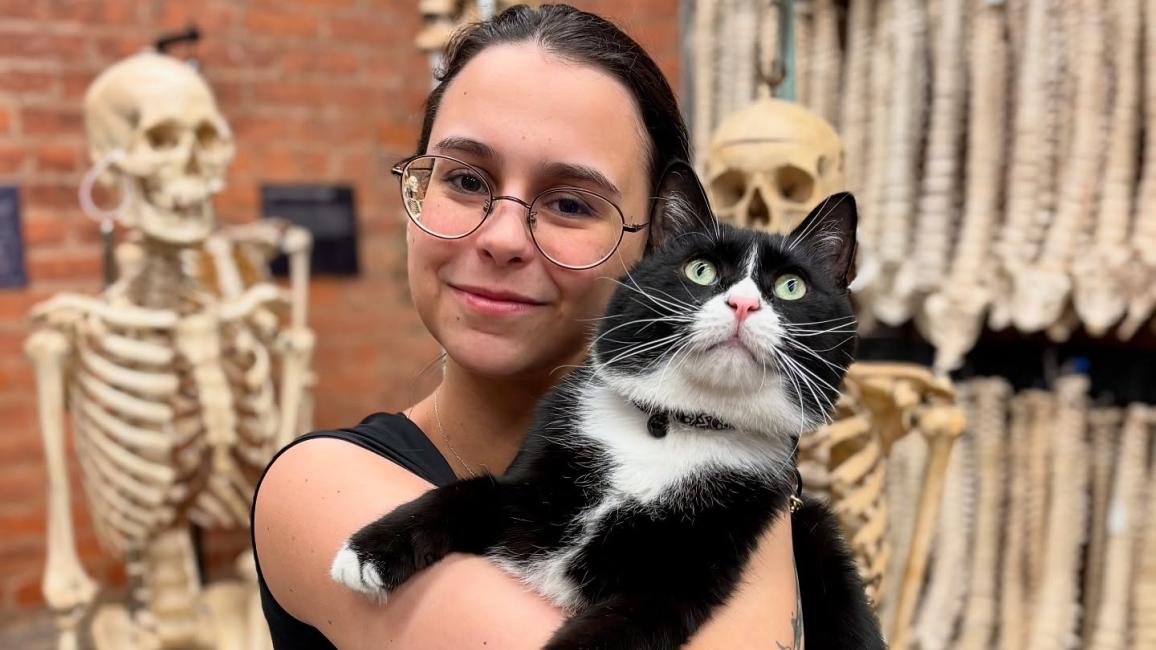
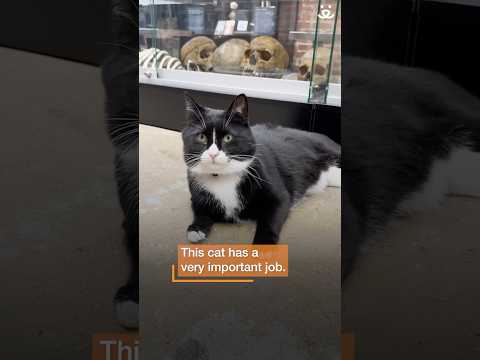
Rooms and rooms filled with bones? Sounds like a dog’s dream. But that’s also the case for a cat named Bone Jovi.
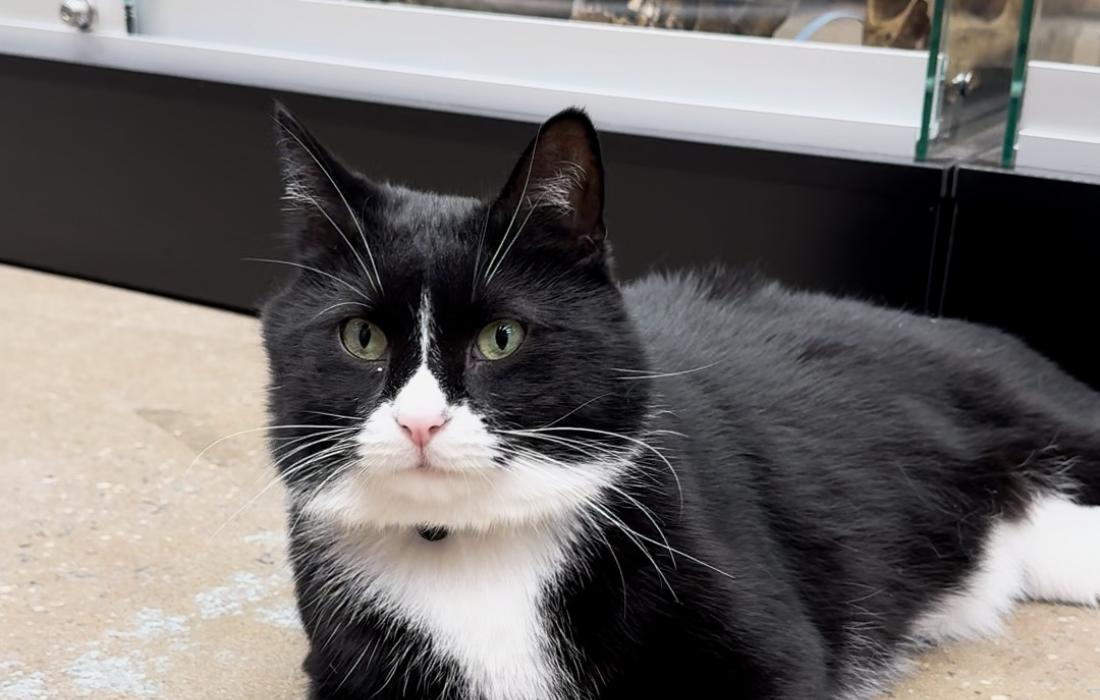
Bone Jovi resides at the Bone Museum in Brooklyn, New York, which showcases a vast collection of human bones. As the official museum cat, this 4-year-old feline acts as a greeter, tour guide, and walking feather duster. He’s also a museum ambassador who’s taken over social media and become just as much of an attraction as the bones themselves. (Pro tip: If you’re visiting the museum and can’t find Bone Jovi, check the chair at the front desk — it’s his favorite nap spot.) It might not be the place for every cat, but this handsome lad is right at home among the bones.

Bone Jovi’s East Coast tour
So how does a cat enter the world of osteology? It all began when Bone Jovi came to the Best Friends Lifesaving Center in New York from a shelter in Georgia. That’s one of the most important ways that shelters across the country have reached no-kill — by working together to save pets.
Despite the 900-mile drive from Atlanta to NYC with other pets from shelters headed to Best Friends, Bone Jovi was calm, curious, and affectionate as soon as he arrived. Staff knew he was a perfect candidate to bring to an upcoming adoption event at the Bone Museum.

Purrin’ on a prayer
On the day of the adoption event, the team from Best Friends was busy matching potential adopters with new feline family members. Meanwhile, the team from the Bone Museum was also paying close attention, looking for a potential match of their own.
For the past five years, a beloved feline named Chonky Boy had overseen the gallery. However, this museum cat was getting older; he was now partially blind and mostly deaf. The museum shared on social media that the time had come for Chonky Boy to retire and enjoy life with less hustle and bustle.
[Photos capture a day in life of Tom, a NYC flower shop cat]
Museum staff were drawn to Bone Jovi’s dapper tuxedo and easygoing nature. But could he be the cat to carry on the tradition? Let’s see …
Is he chonky? Yes (but he prefers “big-boned”).
Does he get rattled easily? Nope.
Is he friendly? Not a mean bone in his body.
Museum staff gave Bone Jovi a test run, letting him out of his kennel to explore the space. Sure enough, he was totally at ease. They decided to adopt him, and the Bone Museum officially had its new mascot.

It’s Bone Jovi’s life
According to the museum, Bone Jovi spent the first few days tucked away in the Phantom and Odd Fellow exhibits. But before long, he was walking around everywhere like he owned the place. He’s careful around the displays and loves getting belly rubs from all the guests (but he’s also completely unbothered by them when it’s time for a snooze).
[Faces of No-Kill: Kitten’s job is just play]
Bone Jovi’s story shows there isn’t just one kind of home. Home can be anywhere you feel happy, healthy, and safe, whether that’s an apartment, a barn, a retail shop, or even a museum.
So if you’re touring the Bone Museum and feel something brush past your leg, it’s not a ghost (probably). It’s just Bone Jovi living his life — no bones about it.
Main photo courtesy of the Bone Museum on Facebook

Let's make every shelter and every community no-kill
Our goal at Best Friends is to support all animal shelters in the U.S. in reaching no-kill. No-kill means saving every dog and cat in a shelter who can be saved, accounting for community safety and good quality of life for pets.
Shelter staff can’t do it alone. Saving animals in shelters is everyone’s responsibility, and it takes support and participation from the community. No-kill is possible when we work together thoughtfully, honestly, and collaboratively.
You can help save homeless pets
You can help end the killing in shelters and save the lives of homeless pets when you foster, adopt, and advocate for the dogs and cats who need it most.


Saving lives around the country
Together, we're creating compassionate no-kill communities nationwide for pets and the people who care for them.
Let’s be friends!
Connect with us on social media to stay in the loop about the lifesaving progress we’re making together.


