When horses are the teachers
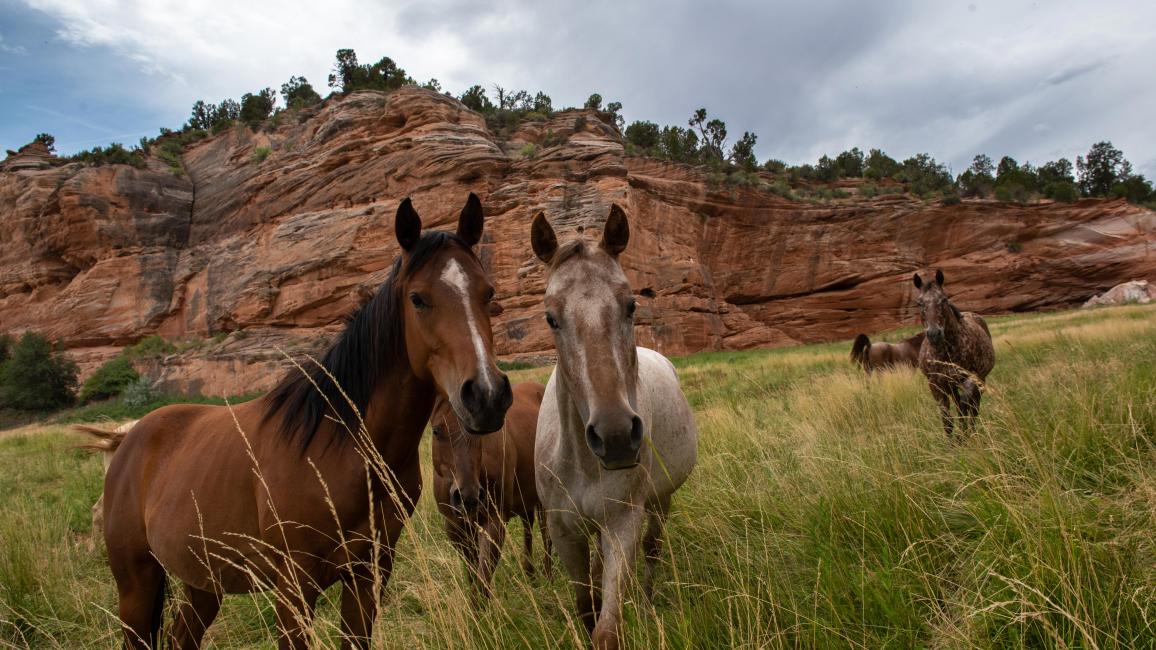
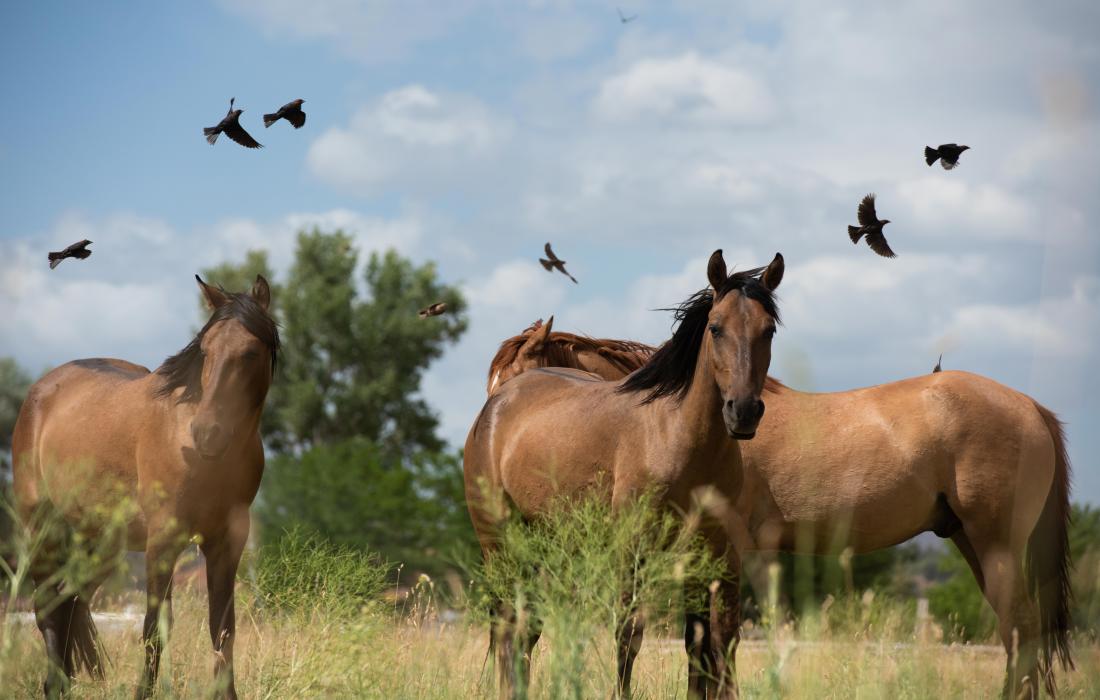
There’s a reason it’s called Horse Haven. Tucked into the red rock landscape of southern Utah, this peaceful corner of Best Friends Animal Sanctuary is where equines of all kinds — from mustangs to mules — have room to roam, top-notch veterinary care, and, perhaps most importantly, the freedom to be themselves.
Daily life at Horse Haven includes time for training, chances to learn and explore, and plenty of horsing around with friends. For many, their stay here is temporary — a place to heal until they’re matched with their own home. Others, often those who need extra special care, stay as long as they need to.
At the heart of it all is the approach the staff take when they work with the horses, who come from all sorts of different backgrounds. Their aim is to foster communication, make connections, and nurture trust between the animals and caregivers. For anyone willing to listen, the horses can become the teachers.
Cookies and connections
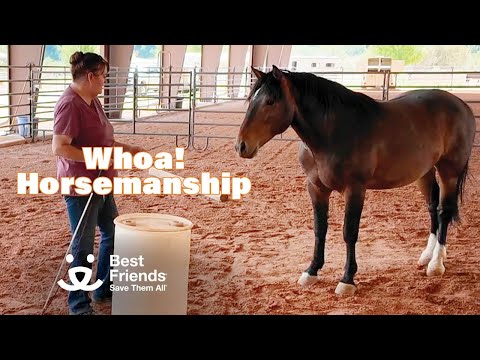
Twice a week, the large arena nestled in the heart of Horse Haven welcomes visitors, volunteers, and horses, of course, for a demonstration of how staff work with the horses. Leading the demo is Ann Hepworth, Best Friends head horse trainer, who has been giving the presentation since 2005. One of her most frequent partners these days is a handsome, sensitive mustang named Prince, whose life began in a wild herd.
“Prince was born in Oregon in the Paisley Desert Herd Management Area (land where the federal government manages free-roaming horse herds),” says Ann. “He was rounded up when he was a bit older, and he’s kind of a sensitive guy.” That sensitivity makes him an ideal demo partner.
[Tricks, treats, and love help mule find her smile]
“One of the things I like about doing the demos with him is that he can show a lot of connection with a person. But he also gets worried easily,” Ann says. “So he’s a good example of a horse who shows interesting body language that a lot of people don’t understand.”
As Prince canters around the arena, Ann points out the small but important ways he communicates, such as licking his lips and chewing — a sign that he’s let go of tension. “I always give him a cookie when he does that because he gets a little emotional about things sometimes,” Ann says.

Not just horsin’ around
The demonstrations are as much for the animals to learn and grow as they are for the people watching. “I think he's gotten a lot more confident about being out there,” Ann says of Prince. “One of the first times I took him to the demo, people clapped at the end, and that scared him. And now that doesn't scare him at all anymore.”
The training itself is rooted in gentle cues and mutual respect. “Most negative behavior we see in horses comes from worry, anxiety, or just not understanding,” says Ann. “When we get that right — when we help them feel safe and show them clearly what we’re asking — they try so hard. They really are just the best.”
Visitors often leave the demo not just entertained but with new information, straight from the horses. “One of the great things about the Sanctuary is that we get a lot of different horses who come from all kinds of backgrounds, have all kinds of history,” Ann says. “And they teach us a lot about the way horses really think and feel.”
Beneath the arena roof, nestled in the red rock canyons of the Sanctuary, the quiet conversations between horses and caregivers build trust — helping animals feel safe enough to be themselves and helping people see them for who they truly are, one cookie at a time.
Let's make every shelter and every community no-kill
Our goal at Best Friends is to support all animal shelters in the U.S. in reaching no-kill. No-kill means saving every dog and cat in a shelter who can be saved, accounting for community safety and good quality of life for pets.
Shelter staff can’t do it alone. Saving animals in shelters is everyone’s responsibility, and it takes support and participation from the community. No-kill is possible when we work together thoughtfully, honestly, and collaboratively.
You can help save homeless pets
You can help end the killing in shelters and save the lives of homeless pets when you foster, adopt, and advocate for the dogs and cats who need it most.


Saving lives around the country
Together, we're creating compassionate no-kill communities nationwide for pets and the people who care for them.

Let’s be friends!
Connect with us on social media to stay in the loop about the lifesaving progress we’re making together.


