Texas shelter redefining what it means to help pets
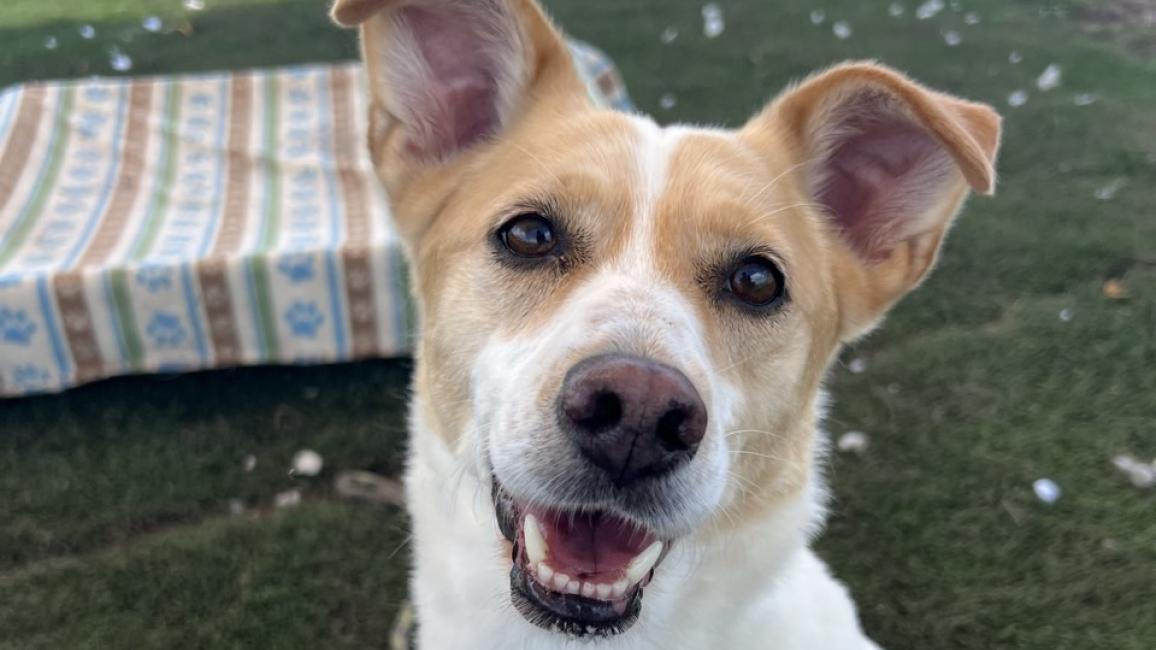
For decades, conventional thinking has been, “Can’t keep your pet? Bring them to the shelter.” But today, many shelters are changing the conversation to, “Can’t keep your pet? We will help you find a new home for them.”
No matter how state-of-the-art a shelter is or how kind the caregivers are, pets thrive best in a home environment. Plus, when more pets are in homes, shelter staff can focus on caring for the animals who need it most. That’s why more shelters across the country are focusing on helping pets get the services they need without having to enter the shelter, whether that’s a pet who may need to be rehomed or even a lost pet someone has found.
Take Williamson County Regional Animal Shelter (WCRAS), a Best Friends Network Partner, where staff are rethinking the best ways to help animals.

Raising the no-kill bar in Texas
Located in Georgetown, Texas, WCRAS serves busy cities, rural farmland, and everything in between. Over the past year, their team saved 97% of the more than 7,000 pets who entered the shelter, well above the no-kill benchmark of 90%.
But reaching and maintaining no-kill doesn’t just happen by chance — it takes creativity, persistence, and a willingness to try something new. Just ask WCRAS Animal Services Director Misty Valenta.
“In the past, it was standard practice that if you run out of space, you create a euthanasia list,” says Misty. “I just think there's so much more opportunity and creative things that we can be doing and that we need to try.”

Offering solutions, not judgment
The shelter is often the first place someone turns when they feel they can no longer keep their pet. At WCRAS, the process starts with a judgment-free conversation. In Misty’s experience, the two most common reasons people want to rehome their pets are changes in their living situation and behavior challenges.
When behavior is the issue (think jumping on people or excessive barking), it can be incredibly stressful for the whole family. So WCRAS offers a free 30-day subscription to Petcademy, a virtual platform that connects people with professional trainers. Users can take online training classes and even text with trainers about the specific issue they’re experiencing.
[Texas animal shelter gets creative to keep pets at home]
“The goal is that you resolve whatever behavior is misfitting at the time,” says Misty.
The shelter also has a behavior coordinator on staff available to give advice, and Petcademy allows them to provide more families with personalized support. It’s an investment that ultimately keeps pets in their homes and out of the shelter.

Working together on rehoming
When someone calls WCRAS to rehome their pet, they’re given a list of tasks to complete before their rehoming appointment. That includes posting their pet on a rehoming website, sharing them on social media, getting them up to date on vaccines, and providing detailed information about their personality. Completing each task takes money off the shelter’s rehoming fee — and these incentives are working.
“If you do all the things on the list, it's highly likely you won't need our services because you would have found a family on your own. And oftentimes, our rehome appointments end up being no-shows,” says Misty. She adds that people rarely pay the full rehoming fee.
[Animal shelters embrace no-kill philosophy]
Brent Toellner, Best Friends senior director of lifesaving programs, says the vast majority of pets posted on a rehoming website — like Rehome by Adopt a Pet, which is what WCRAS uses — never enter a shelter. Instead, their current family finds a new home for them or figures out a way to keep the pet themselves. These platforms are easy and safe tools for people faced with the often-heartbreaking task of finding a new home for their pet.
“Nobody knows the needs of the next home for this pet better than they do,” says Brent. “And probably nobody's going to care more about this pet going to a home that’s a good fit than they do.”
Involving people in their pet’s rehoming process benefits the pet, even if the pet does end up entering the shelter. When shelter staff know a pet’s personality and medical history in advance, they’re able to place them in a new adoptive home or foster home that much faster.

From finder to foster
What about when someone finds a lost pet? Their first instinct might be to bring them straight to the shelter. But that might not be the best next step.
“More than 70% of lost pets are found within a mile of their home,” says Brent. “When you take a pet to the shelter, in most cases, you’re taking them farther away from home.”
Finders are advised to talk to neighbors first. And if that doesn’t lead to a reunion, WCRAS offers another option: temporarily fostering the pet until their family is located.
It’s a program they call Finder to Foster, and WCRAS makes it as easy as possible for people to say yes. While the person who found the pet fills out a short questionnaire at the shelter, the pet is examined, vaccinated, and microchipped. By the time the questionnaire is done, the pet is ready to go home — temporarily — with them.
If the finder isn't able to foster, WCRAS staff ask whether they’d be willing to hang fliers near where the pet was found. The shelter has fliers on hand that ask anyone who’s lost a pet to contact WCRAS. Ideally, the flier will reach not only that pet’s family but also anyone else who might be missing a pet.

Serving both people and pets
In addition to a robust adoptions program, WCRAS runs a pet pantry where people can get whatever items they need for free. They also provide spay and neuter surgeries and vaccines to organizations and individuals who care for community cats (aka cats who live outdoors).
When considering a new project, Misty asks herself one question: “Will this help build a community I’d want to live in?”
“If you’re not investing in your community, then you can’t complain about your community. You can't blame someone that you’ve never had a conversation with or talked to,” she says. “The more that we invest in our community, the better it will be all around for the people and the pets. Eventually, it will make our lives easier because we’ll have community members helping community members without ever needing us, which will be a wonderful day.”

Let's make every shelter and every community no-kill
Our goal at Best Friends is to support all animal shelters in the U.S. in reaching no-kill. No-kill means saving every dog and cat in a shelter who can be saved, accounting for community safety and good quality of life for pets.
Shelter staff can’t do it alone. Saving animals in shelters is everyone’s responsibility, and it takes support and participation from the community. No-kill is possible when we work together thoughtfully, honestly, and collaboratively.
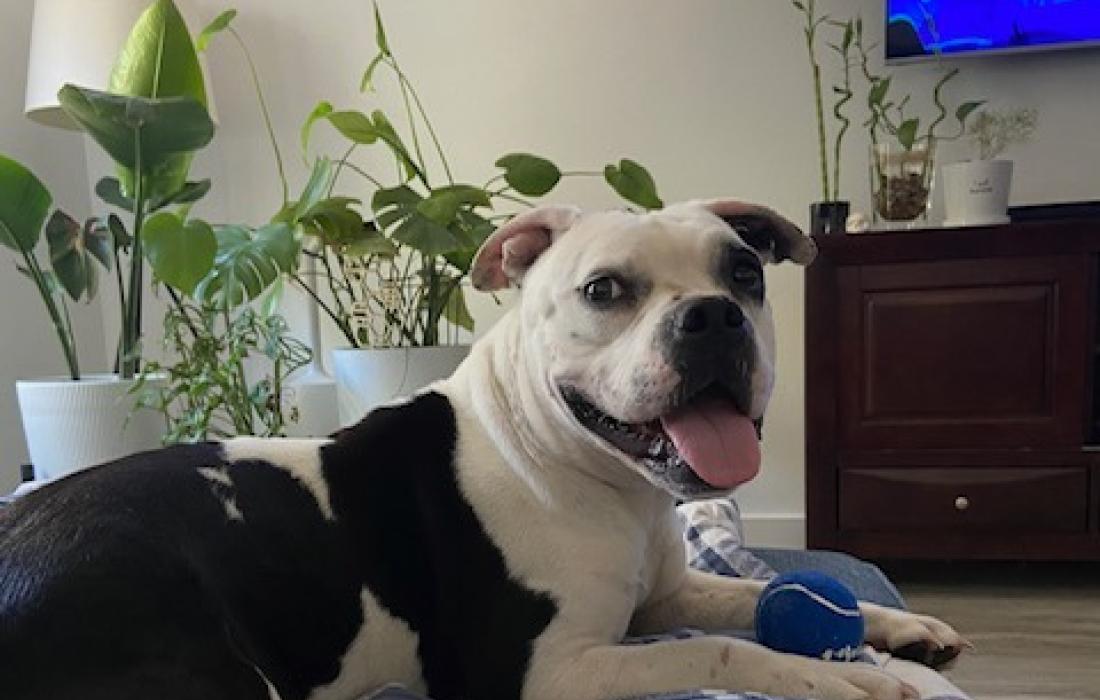
You can help save homeless pets
You can help end the killing in shelters and save the lives of homeless pets when you foster, adopt, and advocate for the dogs and cats who need it most.


Saving lives around the country
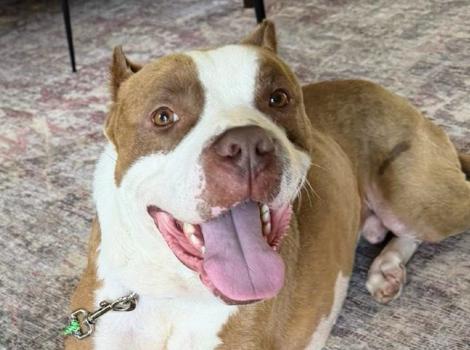
Together, we're creating compassionate no-kill communities nationwide for pets and the people who care for them.
Let’s be friends!
Connect with us on social media to stay in the loop about the lifesaving progress we’re making together.


