62 cats fly to care and second chances
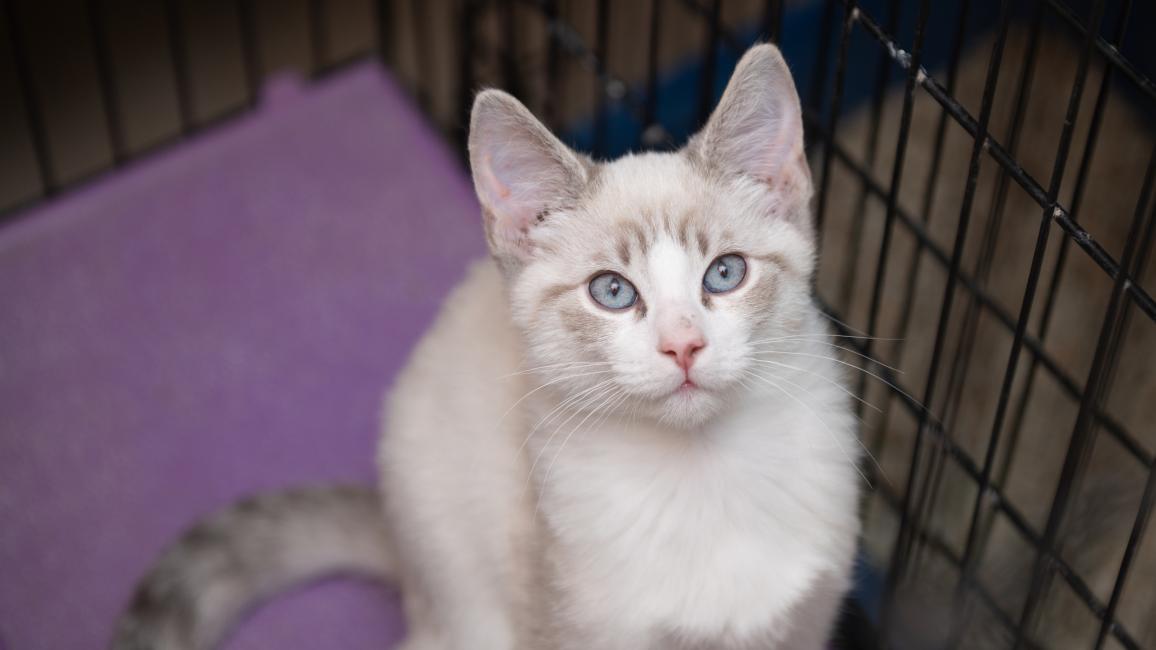
When a marshmallow puff of a kitten named Slinky arrived at the Brownsville Animal Regulation & Care Center (BARCC) in Texas, it was the first chapter of his fresh start.
The shelter had received an influx of cats and kittens in just a few weeks. “In just one day, we had 29 cats come in,” recalls Jean Rosado, BARCC animal services manager. And on top of it all, a few of the felines tested positive for ringworm, a contagious but treatable fungal infection that can spread fast and wreak havoc in shelters.
So BARCC reached out to Best Friends for help, and soon Slinky was on a Wings of Rescue flight with 61 other fuzzy felines from the shelter. Together they soared over mountains, rivers, forests, and deserts until the red rock canyons of southern Utah came into view and the plane touched down near Best Friends Animal Sanctuary.
Best Friends’ goal is for animal shelters nationwide to reach no-kill, and collaborating with shelters to take in and place their pets in new homes is just one of the ways we work together toward that shared goal.

Lending a hand
Best Friends had already been working with BARCC to help them save more pets’ lives. And this time, that involved bringing cats to the Sanctuary’s Cat World.
“We didn’t have many cats with ringworm at the time, so we had the room and ability to care for all of the cats,” says Jennifer Adkins, Cat World director.
[There’s a fungus among us and it’s OK]
There, they could be quarantined, monitored for symptoms of ringworm, treated if necessary, and ultimately placed in homes.
“Moving those cats gave us so much more breathing room,” says Jean. He adds that it gave them the time and space to deep clean, plan ahead for new arrivals, and focus on helping more people and pets in the community.

Sunbeams and snoozes
Thanks to Wings of Rescue — a group of volunteer pilots who fly adoptable dogs and cats to safety and second chances — the flight was quickly arranged, and the fuzzy feline passengers arrived at Cat World just a few hours later. After Best Friends veterinarians checked out each cat, they moved to a special quarantine area where they were treated if necessary.
[Patience, love and sulfur baths help kitten with ringworm]
“Most have been cleared from ringworm and have been made available for adoption or have already been adopted,” says Jennifer. “Everyone is well on their way to their happily-ever-after.”
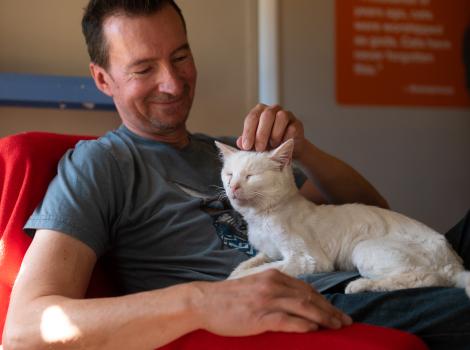
And Slinky’s happily-ever-after came just a week later, when an adopter visited the Sanctuary, fell for his ice-blue eyes and marshmallow-soft charm, and took him home that day. Now he spends his days snoozing in sunbeams, purring up a storm, and living his best kitty life.

Let's make every shelter and every community no-kill
Our goal at Best Friends is to support all animal shelters in the U.S. in reaching no-kill. No-kill means saving every dog and cat in a shelter who can be saved, accounting for community safety and good quality of life for pets.
Shelter staff can’t do it alone. Saving animals in shelters is everyone’s responsibility, and it takes support and participation from the community. No-kill is possible when we work together thoughtfully, honestly, and collaboratively.
You can help save homeless pets
You can help end the killing in shelters and save the lives of homeless pets when you foster, adopt, and advocate for the dogs and cats who need it most.


Saving lives around the country
Together, we're creating compassionate no-kill communities nationwide for pets and the people who care for them.
Let’s be friends!
Connect with us on social media to stay in the loop about the lifesaving progress we’re making together.


