Pet foster homes increase adoptions and save more lives
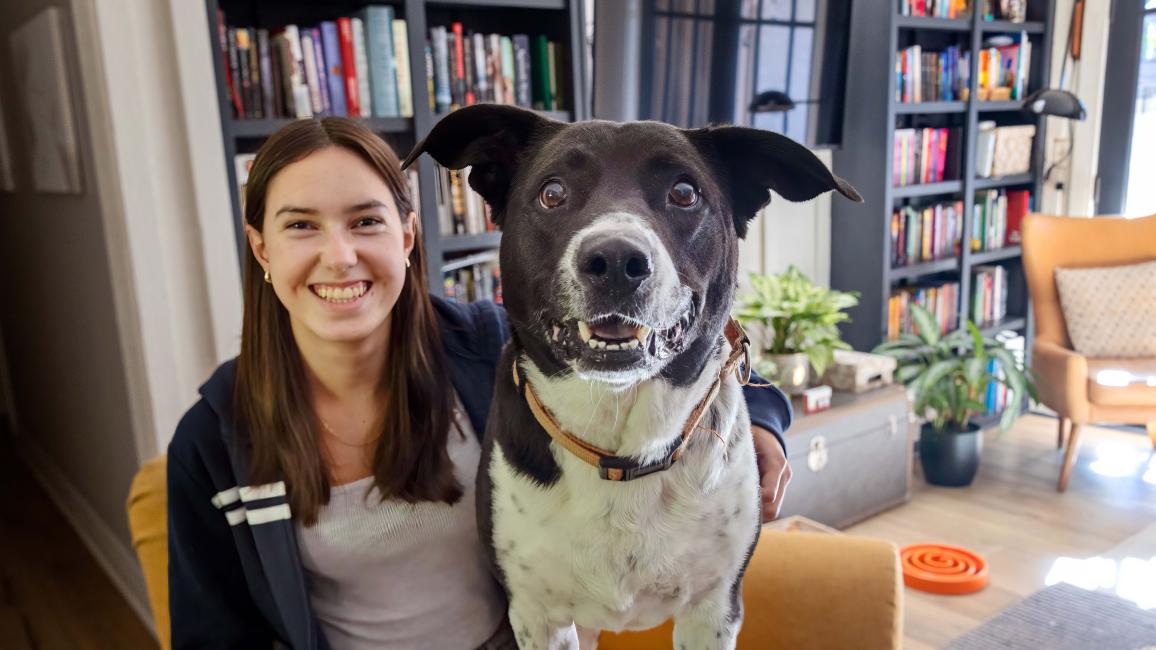
Every day, animal shelters and rescue groups across the country open their doors to pets who need safety, comfort, and a second chance. And there’s a simple, powerful way these organizations can transform an animal’s path out of the shelter and into a new home: fostering.
When Best Friends recently surveyed nearly 650 of our network partners, one message came through loud and clear: Animals thrive when a foster caregiver steps in. In fact, the difference is staggering. Animal shelters and rescue groups without foster programs find homes for about half of the pets in their care. Simply by starting a foster program and involving foster caregivers, adoption rates jump to 68%.
That means for organizations taking in 500 animals a year, 100 more pets get the chance to go home simply because someone opened their heart and their home to foster.
The impact doesn’t stop there. Organizations that fully empower their foster caregivers to help with adoptions — by promoting the animals, taking pets to meet and greets, and finding homes for their foster pets — see success soar even higher. These groups place an incredible 77% of their animals in adoptive homes. That’s more happy endings, more tail wags, and more purrs because everyday people stepped forward.

So many ways to help pets
While every type of organization felt the benefits, the most dramatic improvements were seen by municipal shelters and nonprofit rescue groups, where need is often greatest. Private shelters saw gains too, proving that fostering uplifts every part of the animal welfare community.
Foster programs come in many forms, each one designed to meet an animal or family at a moment of need. Some provide short-term care: a day trip, a sleepover, or a weekend away from the stress of the shelter.
[Lifesaving tales: The joy of fostering pets]
Others support emergencies, such as when shelters needed to quickly move animals out during the early days of the pandemic. Some help families with pets during a health crisis, while foster-to-adopt programs give potential adopters a chance to get to know a pet before making it official. Kitten fostering, meanwhile, ensures the tiniest, most vulnerable little ones get the gentle, hands-on care they need to survive.

There’s no place like home
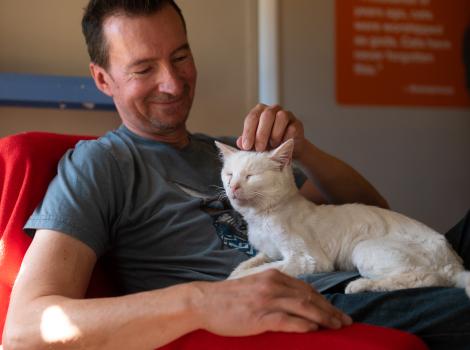
Why does fostering make such a difference? Because a home, even a temporary one, changes everything. Away from the noise and bustle of the shelter, pets relax, open up, and show who they truly are. Foster caregivers become experts on their personalities, quirks, and favorite snuggle spots, and that insight helps match them with a new family. Foster caregivers also inspire others, growing a community of lifesavers one caring volunteer at a time.
And this isn’t just feel-good storytelling. Fostering has been studied repeatedly, and the results are always similar: Whether it’s for a weekend, a month, or just a few hours, fostering saves pets’ lives.
[Puppies thrive thanks to foster volunteer’s courage]
If you’ve ever wondered how you can make a difference for pets in your community, fostering might be the most meaningful (and rewarding) way to help.
Want to see which shelters and rescue groups near you could use a hand? Explore our pet lifesaving dashboard to learn more and get connected. Sometimes, all it takes to change a life is a temporary home and a whole lot of love.

Let's make every shelter and every community no-kill
Our goal at Best Friends is to support all animal shelters in the U.S. in reaching no-kill. No-kill means saving every dog and cat in a shelter who can be saved, accounting for community safety and good quality of life for pets.
Shelter staff can’t do it alone. Saving animals in shelters is everyone’s responsibility, and it takes support and participation from the community. No-kill is possible when we work together thoughtfully, honestly, and collaboratively.
You can help save homeless pets
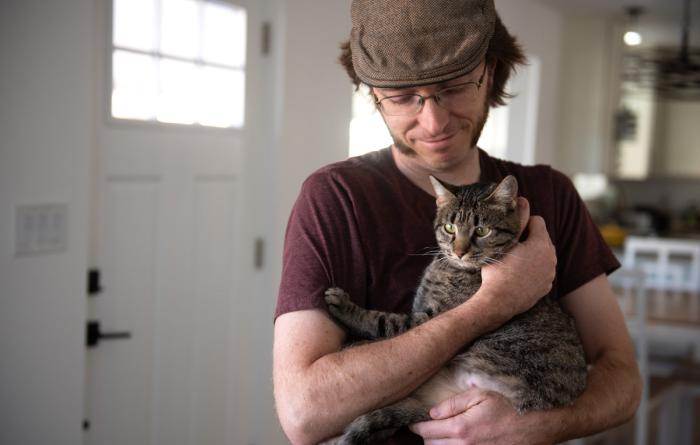
You can help end the killing in shelters and save the lives of homeless pets when you foster, adopt, and advocate for the dogs and cats who need it most.


Saving lives around the country
Together, we're creating compassionate no-kill communities nationwide for pets and the people who care for them.
Let’s be friends!
Connect with us on social media to stay in the loop about the lifesaving progress we’re making together.


