What to do during kitten season
Your neighborhood and nearest shelter are about to need you more than ever
Every spring, shelters see a surge of cats and kittens coming through their doors, including shelters here in
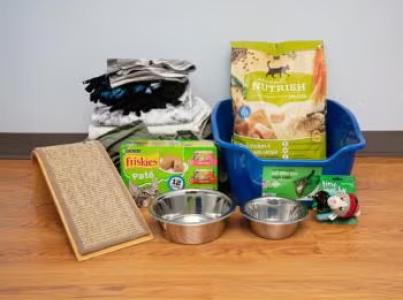
You can help today by spreading the word about found kittens, fostering a litter or nursing mother, donating a kitten kit to your nearest shelter, supporting trap-neuter-vaccinate-return (TNVR) for outdoor cats, and connecting neighbors through Nextdoor and local groups.

What is kitten season?
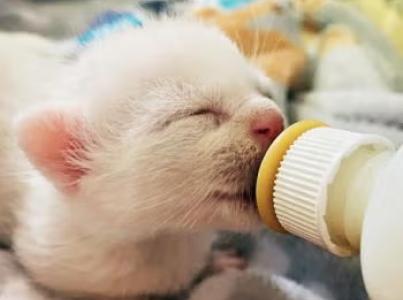
During this window, cats give birth to multiple litters, and shelters see an increase in kittens being brought into shelters. Neonatal kittens (those under 4 weeks old) require bottle-feeding every few hours, which most shelters can’t provide without a large foster network. Without foster volunteers, many of these kittens don’t survive.
Community members like you who know what to do — whether that’s fostering a litter, supporting a local TNVR program, or sharing what you know about kitten season — can help kittens and shelters alike.

What happens when a shelter’s community shows up
Across the country, community cat programs are using trap-neuter-vaccinate-return (TNVR).
Through TNVR, cats are vaccinated, spayed or neutered, and returned to their outdoor homes. Targeted TNVR is the most humane and effective way to reduce community cat populations while saving cats’ lives. This proven approach ensures that cats in the community won’t have more kittens, which means fewer cats over time and fewer cats entering shelters.
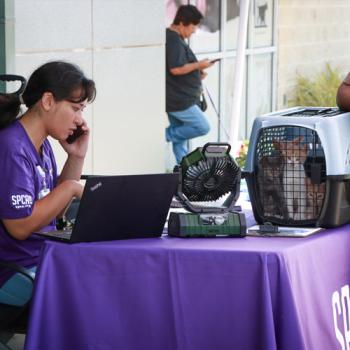
Dallas Animal Services was seeing around 700 cats and kittens come through its doors every month. To change that, the SPCA of Texas teamed up with Best Friends to create a cat help desk, staffed full time and situated right outside the shelter entrance. When people arrived with a kitten they’d found or a neighborhood cat they didn’t know what to do with, someone was there to offer suggestions.
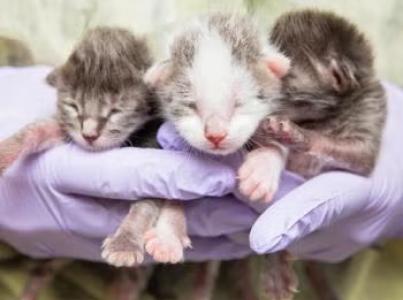
In just two months, the cat help desk kept more than 350 cats and kittens out of the shelter through a variety of programs. New foster volunteers took home more than 40 kittens. Community cats got free vaccines and spay/neuter appointments and went back to their outdoor homes. A woman who arrived with three kittens she’d found in her backyard left as a short-term foster caregiver for them after staff explained what the kittens needed and provided her with the supplies to do it.
“I realized the biggest impact we could make was keeping cats from entering the shelter in the first place.”
What to do when you find a kitten in your community

Give a kitten outside their best chance

Lend a hand and open your home, even for just a short time


Resources for your community
FAQ: Kitten season and community cats
I found a kitten outside. What should I do first?
Wait before you act. A kitten found alone isn’t necessarily orphaned. Their mom might be nearby and will return. If the kitten appears healthy and you haven’t seen mom after a few hours, then it’s time to step in. Call your local shelter to find out whether they take kittens and whether they have a foster program.
When is kitten season?
In most of the U.S., kitten season runs from roughly March through October, peaking in spring and early summer. In warmer parts of the country, it can stretch nearly year-round.
What is a community cat?
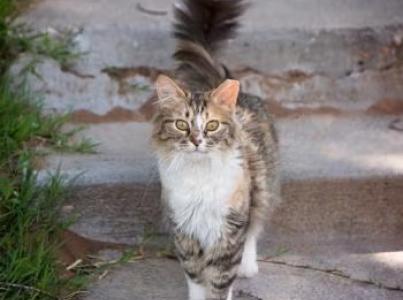
Community cats are cats who live outdoors and are often cared for by multiple people in the community. Some are nervous around people while others are more sociable. Many have lived outside their whole lives and do not make good indoor pets. But with support like TNVR from the community, most live long, healthy lives outdoors.
What is TNVR and does it work?
TNVR stands for trap-neuter-vaccinate-return. Cats are humanely trapped, spayed or neutered, vaccinated, and returned to their outdoor home. Targeted TNVR is the most humane and effective way to reduce community cat populations while saving cats’ lives. This proven approach ensures that cats in the community won’t have more kittens, which means fewer cats over time and fewer cats entering shelters.
How do I care for a young kitten?
Neonatal kittens (kittens under 4 weeks old) need feeding every two to four hours, warmth, and stimulation to go to the bathroom. Before attempting to care for them at home, call your local shelter and ask whether they have a foster program. Many will provide formula, bottles, and guidance. If you’re on your own, Best Friends’ neonatal kitten toolkit walks you through exactly what to do.
What do I do if I can’t foster a kitten myself?
Call your local shelter or rescue group. Even if you can’t foster, you can help connect the kitten with someone who can. You can also share information about the shelter’s foster needs in local neighborhood groups to find a neighbor who can help.
Should I feed community cats in my neighborhood?
Reach out to an organized community cat caregiver or local community cat program for information about feeding cats. Also, ask your local shelter whether they have a community cat program. Cats with consistent caregivers and TNVR coverage tend to have better health outcomes and cause fewer conflicts.
What’s the difference between a stray cat and a feral cat?
A stray cat has been socialized to humans and can be returned to their home or adopted into a new home. A feral cat has little or no socialization with people and is generally not suited to indoor life. Both can be helped through community cat programs, but the approach is different. If you’re not sure which you’re dealing with, your local shelter or rescue group can help.
I want to help, but I can’t foster. What else can I do?
Organizing a kitten supply drive for your local shelter is a direct way to help. Spreading information in your neighborhood groups before kitten season peaks means more people will know what to do when they find a kitten. Supporting or advocating for TNVR programs in your community helps prevent overpopulation before it starts.
Shelters and rescue groups in your community need caring neighbors like you to help save cats and kittens
Just fill in your email address, and we'll send you a list of shelters where you live. We'll continue to share more about how you can help save the lives of homeless pets.

When communities show up for cats and kittens, lives are saved
Get more stories like these delivered to your inbox
Never miss a feel-good animal story. When you give us your email, we’ll send you inspiring stories each week, along with tips on different ways you can help save homeless pets in your community and beyond.