Finding good homes faster for New Jersey dogs
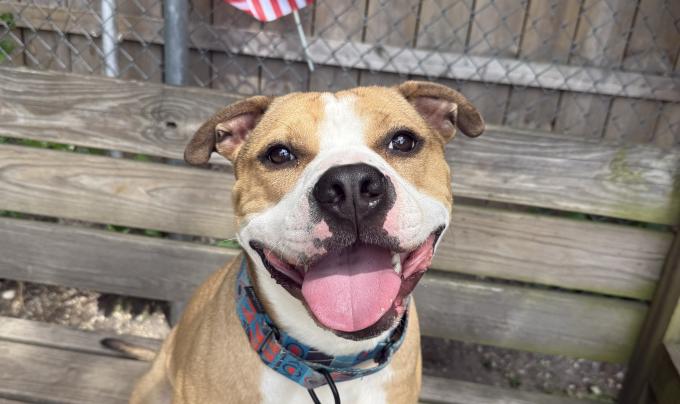
Chase has one of the squishiest, most lovable faces in New Jersey. His smile radiates joy, and when he looks up with his liquid brown eyes, his forehead wrinkles in the best way possible. And for the lucky family who adopted him, they get to enjoy all that love and joy for years to come. But his life wasn't always rainbows and sunshine.
When Chase arrived at Associated Humane Societies' (AHS) Tinton Falls shelter, a Best Friends Network Partner in New Jersey, staff thought this happy-go-lucky pup would land in a home of his own quickly. But as weeks stretched into months, life in the bustling shelter became increasingly stressful for Chase. And after a not-so-great interaction with another dog, Chase grew anxious around other pups, making it harder for potential adopters to see his affectionate, joyful personality.

Proactive planning
Around that time, AHS started working with the Best Friends national shelter medicine team to help more pets like Chase move into good homes sooner.
"Instead of being reactive, we're being proactive," says Dr. Becca Boronat, a Best Friends veterinarian who works closely with AHS, which encompasses three locations in New Jersey: Tinton Falls, Newark, and Vineland. "Animals are coming in, and as soon as they're coming in, we're figuring out the best path forward for each one."
Best Friends worked alongside AHS staff to identify potential challenges each pet may face early and help each pet keep moving toward a home. Hands-on support like this is one of the ways Best Friends is helping shelters nationwide reach no-kill.
How training one dog inspired shelter-wide change
"The only way you can move animals efficiently through the shelter is by having all the areas within the shelter working together," Dr. Becca says. "We're connecting veterinary, operations, adoptions, foster, it's everybody."
That collaborative approach has become part of the shelter's daily routine. Staff from every department come together often to discuss each animal and decide what support they might need next.
"We have staff members who normally wouldn't leave the front desk area who are now actively going around and checking in on every animal," says Danielle Mania, AHS director. It’s making a real difference in the staff’s ability to save pets’ lives.

Happy pets, happy people
Those conversations also helped staff recognize when a dog's behavior is stress-related and how best to help them feel better.
"One of the biggest things we discussed was understanding what fear, anxiety, stress, and frustration look like in different animals," Dr. Becca says. "By recognizing those behaviors quickly, we could use tools like stress management medication to help them calm down. And that helps the staff as well because it creates a calmer working environment, and with that, we have animals and people who are all happier."
And that's just what happened with Chase.
"His behavior in the kennels really transformed, and he was very chill, relaxed, and easier to show to adopters," says Danielle. "We were able to reintroduce him into playgroups and discovered that he was still dog friendly. He was just reacting because of stress. Once all of that went away, he was adopted within a month."

Small changes, big results
Those changes didn't just help Chase. They transformed daily life for staff and animals throughout the organization.
The AHS shelters had been stretched beyond capacity with all the dogs in their care, and the team was working extra hard to make sure each animal got what they needed — but it was a challenge. "It was heartbreaking to go to work every day," says Danielle.
Now that's all changed with more dogs being placed in loving homes faster. Compared with last year, dogs now spend, on average, half as much time in AHS shelters.
Big wins for big dogs at an Arizona shelter
"They have an amazing team," notes Dr. Becca. "It's a team who really wanted to make a difference. They just needed the support."
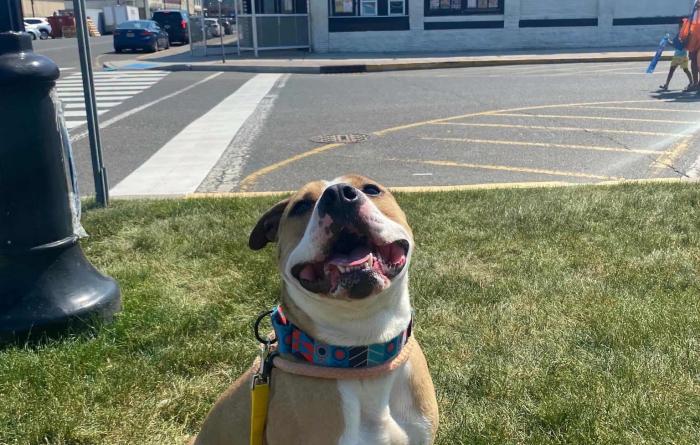
As for Chase, after a year in the shelter, he finally landed in a home of his very own, where he lights up every room (and heart) with his squishy-faced joy. And because of the changes taking place across AHS, more dogs are getting that chance sooner — with teams identifying needs earlier, working together more closely, and helping each dog stay on the path toward home.
Let's make every shelter and every community no-kill
Our goal at Best Friends is to support all animal shelters in the U.S. in reaching no-kill. No-kill means saving every dog and cat in a shelter who can be saved, accounting for community safety and good quality of life for pets.
Shelter staff can’t do it alone. Saving animals in shelters is everyone’s responsibility, and it takes support and participation from the community. No-kill is possible when we work together thoughtfully, honestly, and collaboratively.
You can help save homeless pets
You can help end the killing in shelters and save the lives of homeless pets when you foster, adopt, and advocate for the dogs and cats who need it most.


Saving lives around the country
Together, we're creating compassionate no-kill communities nationwide for pets and the people who care for them.
Get inspiring animal rescue stories delivered straight to your inbox
Never miss a feel-good animal story. When you give us your email, we’ll send you inspiring animal rescue stories each week, along with tips on different ways you can help save homeless pets in your community and beyond.