Justin Serna wants to see you be extraordinary, so hurry up and fail
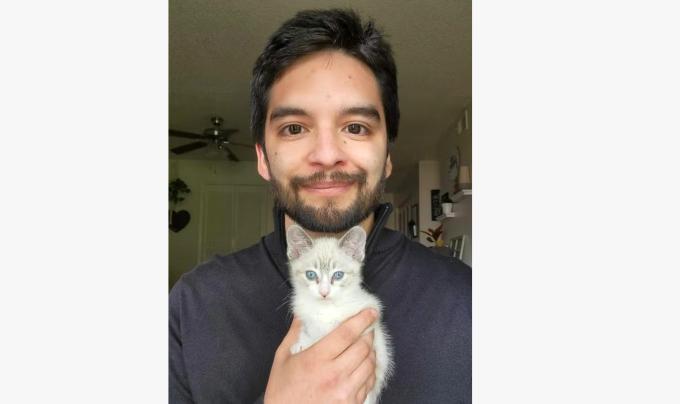
To some, animal rescue is just a job. To others, it’s a worthy cause they donate their time to. And others still might not even think about it all that much.
To Justin Serna, shelter manager of Marshall Pet Adoption Center (MPAC) in Marshall, Texas, animal rescue is more than a way of life — it borders on a religious practice.
“As sentient beings, we have a moral obligation to help. And I think that the human-animal bond is a great reminder of the responsibility that we have,” Justin says. “That bond is very sacred.”
But like a lot of spiritual experiences, Justin’s started in an everyday sort of way. Two years ago, Justin’s mother-in-law tagged him in a post on Facebook from Friends of Marshall Animals asking for foster volunteers. And he thought, “That could be fun” — not knowing that “fun” would turn his whole life upside down.

Since then, Justin has fostered between 200 and 300 dogs and cats in addition to his leadership role at MPAC. “Fun” soon turned into the moral obligation he came to know all too well. And once he joined MPAC, that meant shaking up some old practices.
When Justin first arrived at the shelter, they were saving maybe 20-30% of the animals who came in. “When I first got here, we didn't have a mission statement,” he says. Lifesaving goals are great, but if we don’t have a foundational mission to come back to, these goals can become disorganized. And even fleeting. So Justin sought to change that.
Today, their mission statement reads: “The City of Marshall has a progressive thinking Animal Control/Animal Shelter Staff dedicated to the welfare and well-being of the pets in our community. We work diligently to improve the lives of these animals by educating pet owners of the importance of spaying and neutering, offering information on low/no-cost spay/neuter programs, informing owners about animal care ordinances and enforcing ordinances when owners prove unwilling or unable to comply.” Read more on their commitments here.
Justin also remembers, “I kept thinking, ‘How is this all on me?’ Because there was a point in time when I was the only employee at the shelter for four months. I was the ACO (animal control officer), the receptionist, the manager, and we had 70-something dogs. It was just crazy. There's no way I can reach no-kill. But the more I looked into it, I started learning that it's not just on the shelter alone.”
With Justin’s background in veterinary medicine, he wanted something tangible to follow. He found it in the Association of Shelter Veterinarians (ASV) guidelines. “Now, truly, the ASV guidelines are my bible. I think that really helped me understand that no-kill is more about the journey rather than just becoming a no-kill shelter,” says Justin.
When the community takes on the moral obligation alongside the shelter, that’s where the sustainable no-kill journey is built. And for Justin, “It's gone great. Our intake has actually gone up. We've been able to take in more animals with the help of our community. And because we're managing our population more, we have more time to do other things like adoption events, helping with transports, and helping fosters. That way, we can get those animals out quicker.”

Building common ground is something Justin is particularly good at. “For me, when it comes to animals, they're the medium to that connection I have with people,” Justin says. And this spiritual connector back to his community, his people, means he has learned to prioritize the intangible.
Justin puts a premium on emotional intelligence. The technical parts of sheltering, like drawing blood and learning laws, can be taught. What’s harder to teach is the ability to connect with your community. When Justin finds people who have that instinct, along with the drive and passion for the work, he gives them the freedom to create.
So, yes, Marshall Pet Adoption Center has reached the no-kill benchmark. And they have held that title for a while. But the work that Justin has put in over the past two years has made it so that they can sustain it — ethically and effectively for their community.
“The only difference between extraordinary people and ordinary people is that extraordinary people don't give up. Hurry up and fail. The quicker you fail, the quicker successes will come. So hurry up and start making some mistakes. Don't be afraid,” says Justin.
However you get here, I promise there is room for you, physically and spiritually. Justin, thank you for reminding us that the work of community building can start with the moral obligation we have to our animals. Like Justin says, let’s keep going and take some risks. Maybe you too will find a spiritual relationship with the work, the deeper you dive into it.
To support MPAC and the work Justin is doing with his community, check out their website.
-Julie