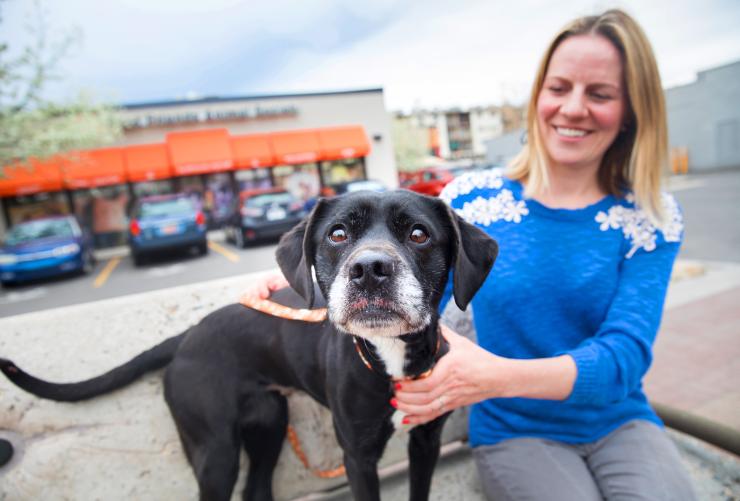
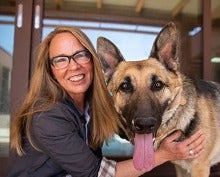
Kellee Robertson has a wish
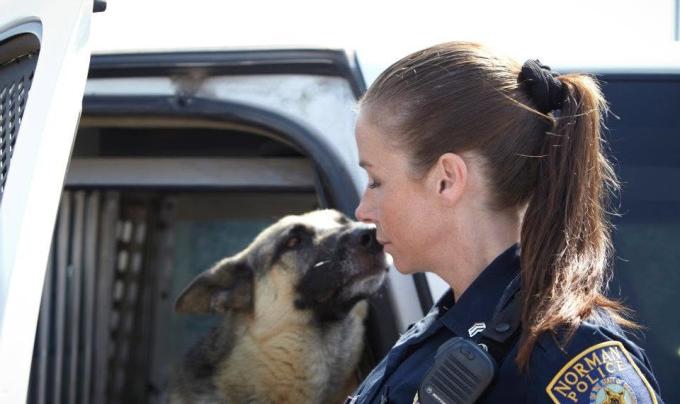
Kellee Robertson sat down and wrote out a few lines to the person she imagined had left a dog somewhere near the Animal Welfare Center in Norman, Oklahoma.
“I wish you would have known,” she wrote.
“I wish you would have known you could have called us.”
“I wish you would have known we would have helped you.”
Kellee received a call from the animal welfare field supervisor at 10 p.m. one night to tell her they had found a dog swimming around a sewage treatment pond a few hundred feet from the shelter. This dog was terrified and unable to find her way out. When they were finally able to rescue her, she was exhausted and covered in sewage. They named her Faith.
Why is it that city animal shelters are usually located somewhere out by the dump or the municipal equipment yard or the sewage treatment facility? Sadly, it’s a reflection of the value communities have placed on homeless pets. But that’s changing thanks to people like Kellee.
Faith is unfortunately not unique in her origin story. And neither are Kellee's wishes to Faith's possible previous person. I keep coming back to those words because they get at something so important about the work we’re doing. Our shelters need to be resources that our neighbors can go to without judgment.
I wish more of our shelters felt like safe places that people could go to for help. And so does Kellee.
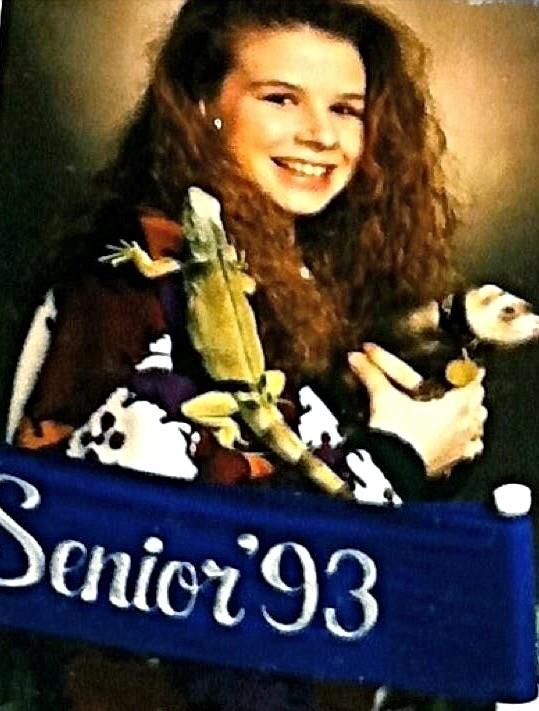
Before she was in her current role as manager of the Animal Welfare Center in Norman, Oklahoma, Kellee knew she loved animals. She started working at her local shelter at 19. She remembers, “You didn't have to have a euthanasia technician license to euthanize. I learned how to euthanize a dog from another animal welfare officer that had been here longer than I had. I didn't realize how horrific it was because I guess it felt like there was no other way.”
Kellee left the field shortly after to work in law enforcement. But something kept pulling her back to the animals. Calls would show up for animal welfare officers next to the calls for police. So occasionally she would look over and see what was happening in the animal world that day.
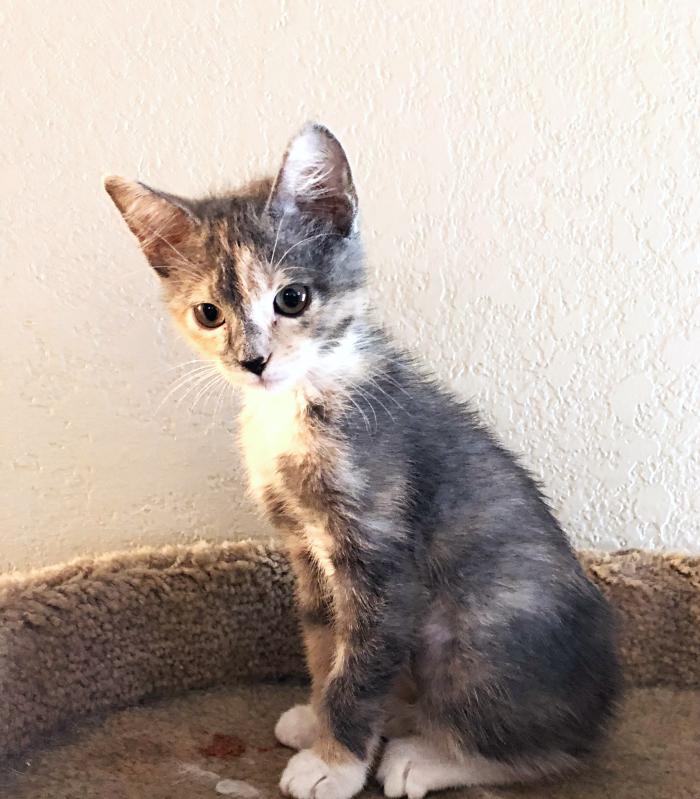
Well, one day, Kellee looked over to see that a buddy of hers was rescuing a kitten who was stuck in an air-conditioning unit. She called him up to say she wanted the kitten.
Kellee, admittedly, is a rule follower. So, after the kitten was checked into the shelter, Kellee asked them whether she could adopt her. They said the kitten was too little and needed to be fostered first. “Well, can I foster her then?” Kellee asked. “No, you have to be a volunteer to foster,” they told her.
In an instant, a woman who had years of experience with animals and was ready to open her home was turned away because of an arbitrary rule. Instead of just leaving defeated and heartbroken, she held that memory as motivation.
After 23 years in law enforcement, Kellee came back to the animals in a big way: as manager of the Animal Welfare Center. And her first executive order was to make fostering and adopting more accessible. “You don’t have to be a volunteer to foster anymore,” she says.
Things had changed a lot since Kellee was 19 and learned on the fly. She says, “Coming back to the way that it is now is a complete and total breath of fresh air.” When she came back, the shelter had already reached the 90% benchmark of no-kill. But numbers have never been the motivation for Kellee.
Since returning, Kellee has made it a point to keep learning and growing through programmatic work. She attended the Best Friends National Conference in 2022 and learned about transporting dogs and cats to partner organizations around the country through Dog Is My CoPilot, a nonprofit that flies at-risk animals from crowded shelters to areas with more adoption capacity. After the session, she went and sat in the hotel bar at the conference and quickly met folks who worked with rescue groups up north. Just like that, they were so excited to build a transport partnership with her.
“By the end of 2026, we'll be close to 1,100 animals transferred out to partner rescues in Colorado and Oregon,” Kellee says.
Kellee was even accredited through the Best Friends Animal Services Executive Leadership program at Southern Utah University and gained valuable insight into leading her shelter.
Now, the Animal Welfare Center is well over a 92% save rate. Thoughtful, strategic changes have saved thousands of lives in Norman.
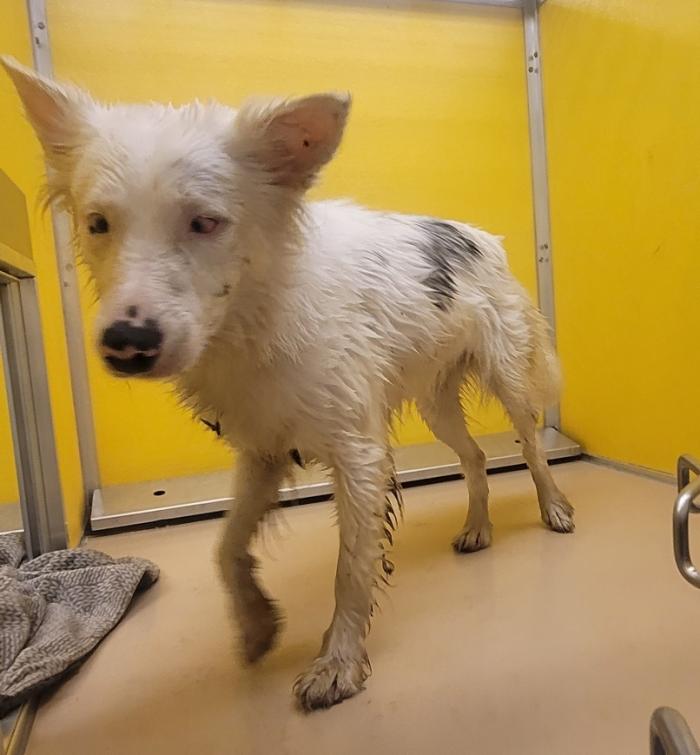
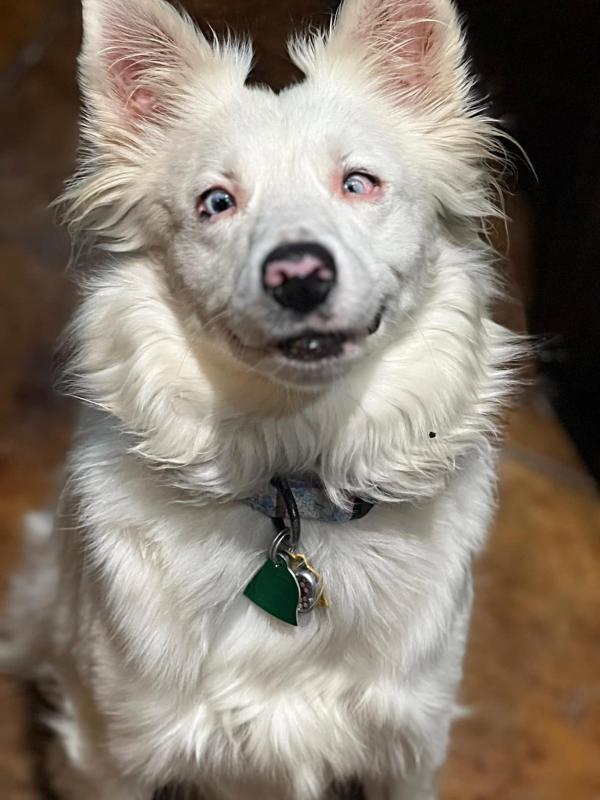
Which brings me back to Faith. Faith is a double merle Australian shepherd, which, if you don’t know about double merle, it means they’re likely deaf and blind. And she is both: completely deaf and partially blind, which makes it even more heartbreaking that she was alone and stranded in a sewage pond.
After a night spent covered in “poop water,” as Kellee called it, Kellee gave her a bath and immediately took her home for good. Despite all of Kellee's wishing for Faith’s previous person, Faith ended up in the home that was perfect for her all along.
But I imagine we all make those wishes from time to time. When I think about past families of pets I’ve adopted, mine sound a bit like: “I wish you knew how special this dog is.”
But the real wish is that all shelters are like the Animal Welfare Center in Norman –– a resource for pets and their people in need — and that when experiencing a crisis, we can turn to shelters for help without fear.
And with leaders in this movement like Kellee Robertson, I know that these wishes will come true. Not in a corny way. But in the very literal way of the hard work she puts in that inspires others around the country to do the same for their communities.
Thank you, Kellee, for providing us with such rich insights into the work you’re doing in Oklahoma. You are paving the way for animals all across this country.
To support Kellee and all the work she is doing with the Animal Welfare Center in Norman, check out their website.
-Julie