Animal shelters nationwide celebrate lifesaving wins
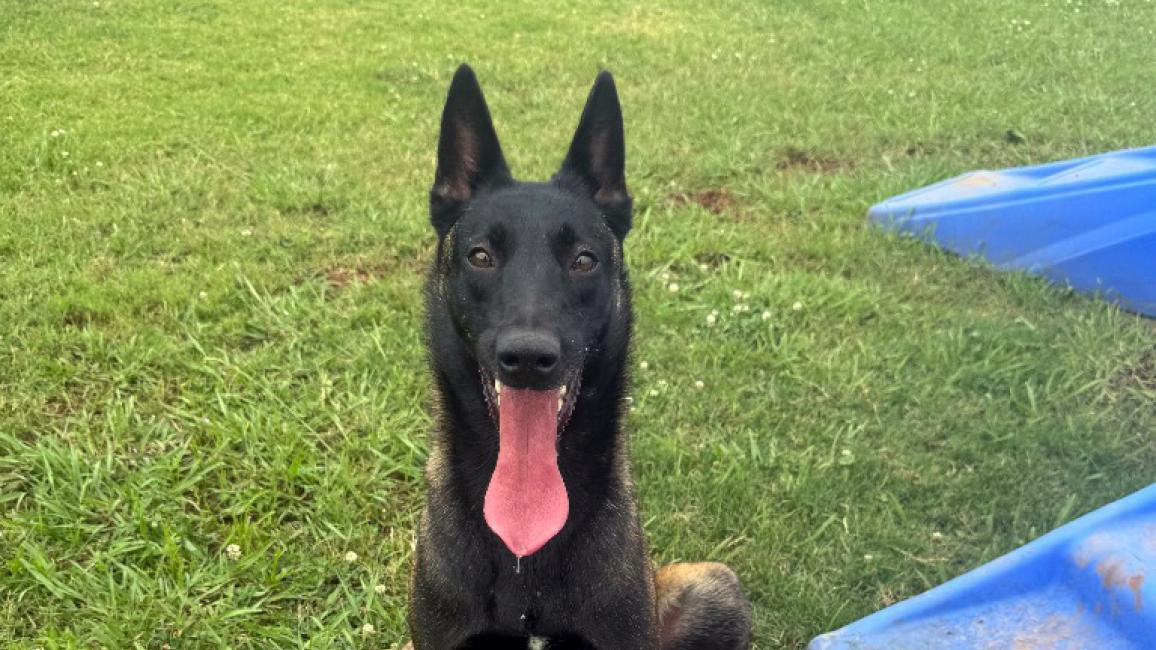
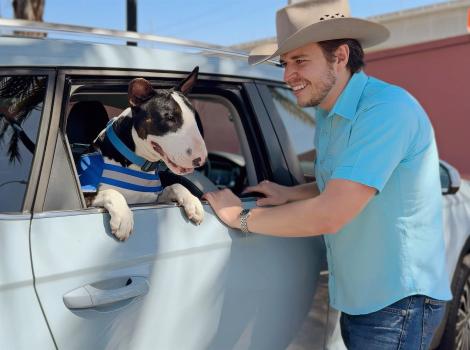
Scout is a black-and-tan pup whose ears are the most perfect triangles, and this dog has a great reason for that big grin: He’s been adopted.
The best part? Scout’s in good company.
When Bossier City Animal Services, a Best Friends Network Partner in Louisiana, achieved their first full month of no-kill in August 2024, the shelter team made a public declaration that they were never going back. In 2025, they celebrated a full year of no-kill.
Shelter Superintendent Susan Stanford attributes the rise in lifesaving to being willing to try new things. One pilot program in particular was life-changing for dogs in the shelter like Scout.
Scout received care through the shelter’s new program that provides treatment for dogs with heartworms. Since it began in April 2025, the program has increased adoptions for dogs with heartworms by 54%, and Scout — who had been at the shelter for nearly two months — was one of them.
This pilot was just the beginning, opening doors for more shelter programs and more lives saved. “It gave the shelter staff the confidence and momentum to reach out and expand their ideas and see that even greater things were possible if we all just trusted the process, took a chance, and didn’t give up,” Susan says.
All across the country, animal shelters are doing just that with the support of their communities — and new data shows the lifesaving impact of these efforts.

A hopeful moment for pets in shelters
2025 shelter data from Best Friends Animal Society shows the sharpest drop in pets killed in U.S. shelters since 2020. Compared to 2024, 34,000 fewer dogs and cats were killed in shelters — a decrease of over 8%. The data reveals one of the most hopeful moments for animals in modern history.
Both dogs and cats saw important lifesaving gains in 2025. For dogs, it was a breakthrough year — the first time since 2020 that the number of dogs killed in shelters went down. Cats also made history — again. 2024 was the best year ever for cats in shelters until 2025 came along. Last year, the number of cats killed in shelters hit its lowest point in history.
2025 moments that carried an entire movement forward
From 2024 to 2025, 90% of shelters improved or maintained their lifesaving, and 80% of shelters had a save rate (the percentage of animals who leave a shelter alive or are still there waiting for an outcome) of 80% or higher in 2025. The percent of shelters that are no-kill is now at an all-time high: 68%.
Behind these numbers is something extraordinary: Nearly 4 million dogs and cats in U.S. shelters last year were saved. This includes those who were adopted or fostered; lost pets being returned to their homes; pets transferred between organizations to give them a better chance of adoption; and community cats being spayed/neutered, vaccinated, and returned to their outdoor homes.
Best year on record for cat lifesaving
Momma Cat was one of the kitties who was part of a new community cat program launched last year by ASTRO Foundation, a Best Friends Network Partner in California, with its partner organization Oakdale Animal Shelter.
With only 38% of the cats entering Oakdale Animal Shelter being saved in 2024, this program was designed to be a lifeline for felines. Cats are now humanely trapped, then transferred to ASTRO Foundation for spay/neuter and vaccination before being returned to their outdoor homes.
Oakdale Animal Shelter had a nearly 30 percentage point boost in cat lifesaving in the first 11 months of the new program. For ASTRO Foundation, helping their partner shelter save more cats is a major goal, but it’s not the only reason this partnership is seeing success. “Many of these cats had caregivers who were waiting for them,” says ASTRO Foundation President Jaydeen Vicente. “And this program made it possible for them to return to the places, and people, they knew.”
Momma Cat is the purr-fect example. When it came time to return her to her neighborhood home, the ASTRO Foundation team met a group of children in a neighborhood daycare who, upon seeing their feline friend, “all erupted with cheers.”

How the lifesaving happens
This lifesaving progress didn’t happen by chance. More than 2 out of 3 shelters are no-kill thanks to the collective work of a movement dedicated to saving animals’ lives. Shelters and rescue groups have implemented no-kill programming, worked together to save more cats and dogs, and engaged their communities.
Residents play a vital role in helping their communities reach and sustain no-kill. That can mean adopting or fostering from the local shelter, helping lost pets get back home, volunteering for a community cat program, advocating for laws and policies that create positive change for animals, or even just giving a dog a break from the shelter for a couple of hours with a fun-filled doggy day out.
That’s how Sioux Falls Area Humane Society, a Best Friends Network Partner in South Dakota, went from a 56% save rate in 2022 to an 80% save rate in 2025.

‘Recess’ turns into a home
Sioux Falls Area Humane Society’s Rescue Dog Recess program, which launched in May 2025, is a short-term foster program through which community members choose from a list of eligible dogs, pick a dog-friendly outing, and go out for the day with all necessary supplies provided by the shelter.
“That small investment of time creates meaningful experiences for the dogs and significantly improves their chances of adoption,” says Christy Kellen, the shelter’s director of operations.
In just eight months, Sioux Falls Area Humane Society completed an astounding 973 “recesses.” “That’s 973 times dogs got outside of the shelter, totaling 2,935.19 hours of enrichment and time out of the shelter,” Christy says.
No-kill shelters are now the norm
One of the dogs who participated in the recess program was Boo.
Boo came to the shelter so scared he had to be carried through the building. Through the recess program, volunteers took Boo on short outings, including multiple afternoon and overnight stays.
Boo learned to walk on a leash and began seeking attention instead of hiding. With that newfound confidence, it wasn’t long before Boo was adopted.

Celebrating the happy stories
Boo, Momma Cat, and Scout are three of the 4 million pets with happy stories to share from 2025. Each one of those stories is worth celebrating.
Also worth celebrating is that four states — Delaware, New Hampshire, Rhode Island, and Vermont — are already no-kill. Eight more are on the brink, with Connecticut, Idaho, Maine, Massachusetts, Montana, Nebraska, North Dakota, and Wyoming each needing to save 500 or fewer additional animals to get there. Nearly half of all shelters nationwide that were not yet no-kill in 2025 needed to save fewer than 100 additional pets to get there.
The 2025 data shows undeniable momentum. But Boo, Momma Cat, and Scout couldn’t be bothered by all the numbers. They just care that people took care of them, so they could get home.

Let's make every shelter and every community no-kill
Our goal at Best Friends is to support all animal shelters in the U.S. in reaching no-kill. No-kill means saving every dog and cat in a shelter who can be saved, accounting for community safety and good quality of life for pets.
Shelter staff can’t do it alone. Saving animals in shelters is everyone’s responsibility, and it takes support and participation from the community. No-kill is possible when we work together thoughtfully, honestly, and collaboratively.
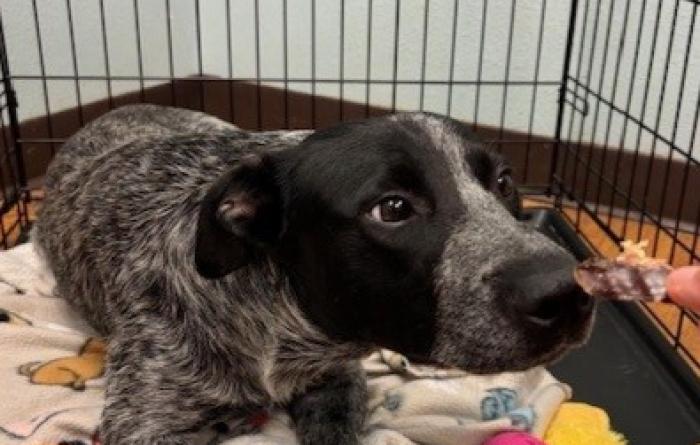

You can help save homeless pets
You can help end the killing in shelters and save the lives of homeless pets when you foster, adopt, and advocate for the dogs and cats who need it most.


Saving lives around the country
Together, we're creating compassionate no-kill communities nationwide for pets and the people who care for them.
Get inspiring animal rescue stories delivered straight to your inbox
Never miss a feel-good animal story. When you give us your email, we’ll send you inspiring animal rescue stories each week, along with tips on different ways you can help save homeless pets in your community and beyond.