‘Kitten kits’ help a California shelter save more pets
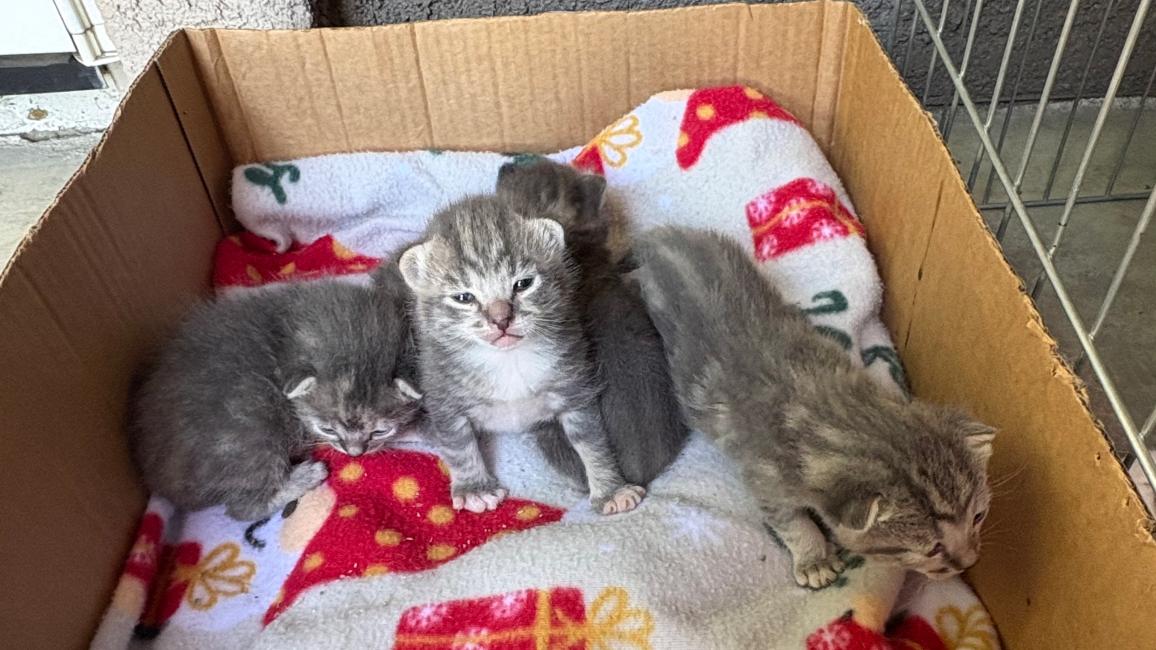
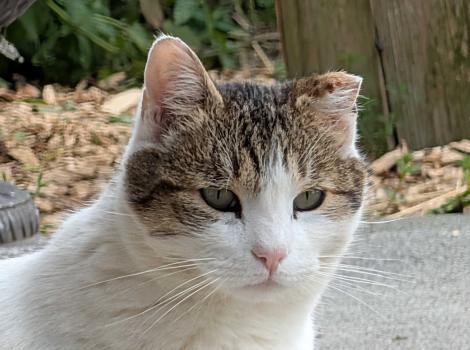
A tiny cry outside the front door led one Lodi, California, resident to a surprise: A beautiful mama cat had chosen her porch as the perfect place to give birth to four tiny kittens.
Not knowing the first thing about caring for newborn kittens, she did what many animal lovers would do. She called Lodi Animal Services, a Best Friends Network Partner in California, expecting the shelter to take the little family in. Instead, they gave her a better alternative.
Rather than scooping up mama and her kittens and bringing them into the shelter, Meghan Ramczyk, the shelter manager, asked whether the resident would be willing to care for them right where they were. She explained that for newborn kittens, it's often the safest option, especially if their mama is still there and taking care of them. Kittens are vulnerable to illness in shelters, and it’s best for them to stay with their mom and littermates in the first couple of months of their lives. So when they’re healthy and their location is safe, keeping them right where they are, rather than taking them to the shelter, gives them the best chance to thrive.
And with help from Best Friends, Lodi Animal Services would be there every step of the way to support this little kitten family and others like them through their journey.
From finder to foster
"We wanted to support Lodi Animal Services by helping them turn finders into fosters,” says Samantha Brekke, a Best Friends regional strategist who works with the shelter.
With help from a Best Friends grant, Lodi Animal Services created "kitten kits" filled with everything foster caregivers need, including food, litter, blankets, warming discs, and educational materials.
Best Friends also provided training to help shelter staff guide community members through what to do when they find kittens outdoors and when kittens truly need veterinary care or care from shelter staff. Instead of seeing the shelter as the only answer, residents learned that, with a little guidance and support, they could become part of the lifesaving effort themselves.
This collaborative effort also means the shelter doesn’t immediately fill up with kittens and mamas who need a little support for about eight weeks. Precious space and resources in the shelter can be saved for kittens who don’t have other options. Working together to save more vulnerable animals is one of the most important ways Best Friends is helping shelters nationwide reach no-kill.
"We're assuming that if someone is walking through our doors with kittens, it's because they care about them," Meghan says. "When we can give them the information and supplies they need, most people are happy to help."
Foster caregivers team up to save orphaned kittens
And that’s exactly what the kind community member who found the sweet mama and her kittens did. She and her husband set up a cozy shelter, blankets, food, and a litter box on their front porch. Over the next several weeks, the couple learned as they went. When the young mama developed stomach troubles, the shelter provided veterinary care, guidance, and extra supplies while she continued raising her kittens. By the time the kittens were old enough to be spayed or neutered, the entire family was healthy and thriving.
For many outdoor mother cats, the next step is spay surgery followed by a return to the place they already call home. But the young mama had made something else clear during her weeks on the porch: She loved being around people, making her a great candidate for adoption. But the furry family didn’t go to Lodi Animal Services.

Empowering the community
Last year, foster caregivers kept kittens until they were old enough to be spayed or neutered and then brought them to the shelter so they could be adopted. But this year, Lodi Animal Services tried something new.
Instead of automatically bringing healthy kittens to the shelter, foster caregivers received a list of local rescue organizations that may be able to welcome the cats and kittens directly into their adoption programs. And many foster families were able to arrange adoptive homes themselves, meaning healthy kittens never had to enter the shelter at all. And that’s just what happened with the pretty mama cat and her kittens. The couple connected with a local rescue group willing to welcome the furry family, and in no time at all, they all landed in homes of their own.
Stepping up to save orphaned kittens
That simple shift gave people in the community support to save pets’ lives while allowing the shelter to focus its limited space and staff time on kittens who were sick, injured, or truly needed intensive care. And the impact has been dramatic.
As more people said yes to fostering found kittens with the help of the shelter’s kits, fewer healthy kittens entered the shelter. The number of cats entering the shelter over a four-month period dropped from 207 last year to 132 during the same period this year.
“The success of this program is amazing,” says Samantha. “Their community is very active, involved, and excited to be able to help in this capacity. I want to shout it from the rooftops. People want to help. You just have to show them how.”

A new way forward
Today, when someone in Lodi discovers kittens tucked beneath a porch, in a backyard, or curled up on a front step, the conversation is different. They don’t scoop them up in a box and bring them to the shelter. Instead, they leave the shelter carrying a box of supplies, a little more confidence, and everything they need to help a tiny family stay together until they're ready for the next chapter.
In the process, they're changing what it looks like to save an animal’s life — one kitten, one conversation, and one caring neighbor at a time.

Let's make every shelter and every community no-kill
Our goal at Best Friends is to support all animal shelters in the U.S. in reaching no-kill. No-kill means saving every dog and cat in a shelter who can be saved, accounting for community safety and good quality of life for pets.
Shelter staff can’t do it alone. Saving animals in shelters is everyone’s responsibility, and it takes support and participation from the community. No-kill is possible when we work together thoughtfully, honestly, and collaboratively.

You can help save homeless pets
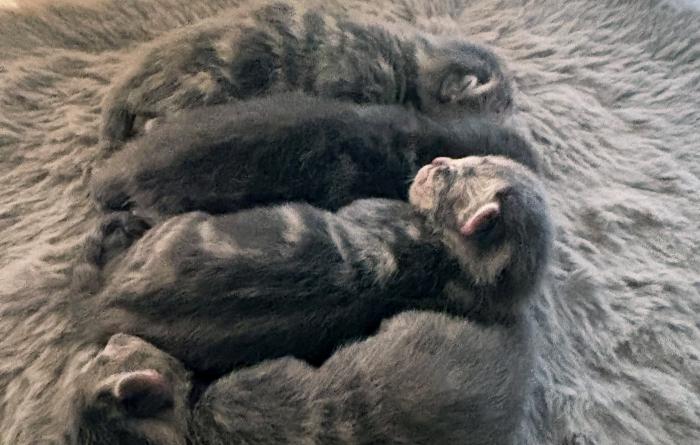
You can help end the killing in shelters and save the lives of homeless pets when you foster, adopt, and advocate for the dogs and cats who need it most.


Saving lives around the country
Together, we're creating compassionate no-kill communities nationwide for pets and the people who care for them.
Get inspiring animal rescue stories delivered straight to your inbox
Never miss a feel-good animal story. When you give us your email, we’ll send you inspiring animal rescue stories each week, along with tips on different ways you can help save homeless pets in your community and beyond.