Spay/neuter helps 2 Virginia shelters reach no-kill
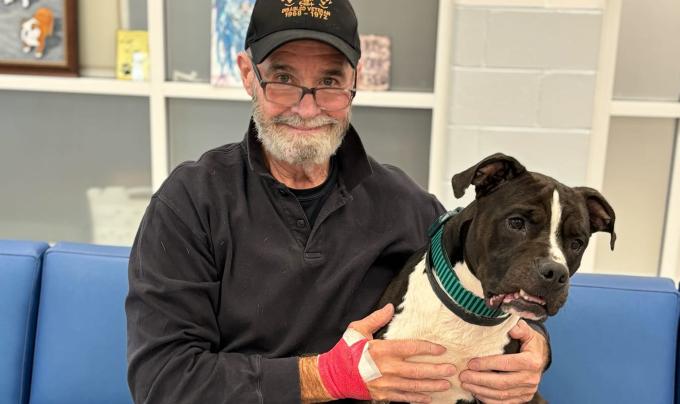
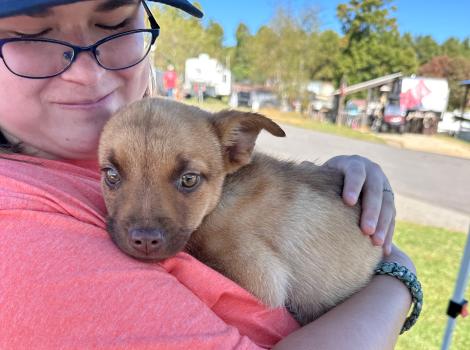
Today, life is full of adventures for Bark Twain, a sweet, bouncy pup playfully named after one of America’s most famous storytellers. His escapades include hogging all the covers on the bed, dodging houseplants and lamps while zooming around the house at top speed, and painting muddy paw print art on clean floors.
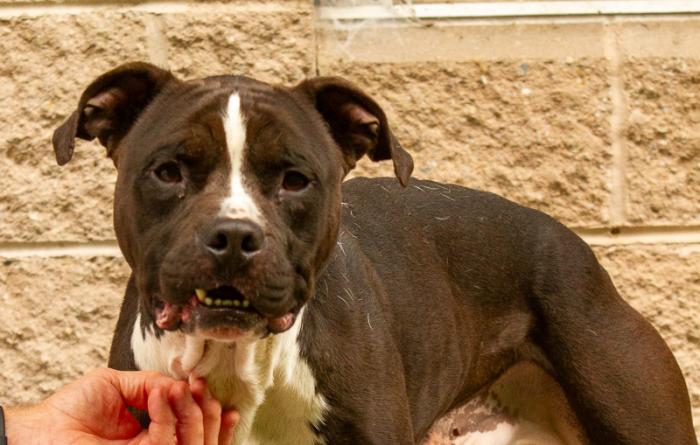
But when he arrived at Henrico County Animal Shelter in Virginia, one of more than 6,000 organizations participating in the Best Friends Network Partner program, his adventure almost ended before it began. His blocky head, extra-large stature, and dark fur made it hard to stand out in a sea of lookalike pups at the shelter at the time.
Plus, he wasn’t neutered, and the small shelter didn’t have the resources to pay for spay/neuter surgery for all the pets coming through their doors. When adoptable animals aren’t already spayed or neutered, their options for moving out of a shelter and into new homes can narrow. But help for Bark Twain and others like him was on the way.

The importance of spay/neuter
The William A. Harrison Jr. Foundation, which works with shelters in and around Richmond, Virginia, wanted to help dogs like Bark Twain. The organization, which is also part of the Best Friends Network Partner program, recently received a $35,000 Rachael Ray No-Kill Excellence Grant from Best Friends to fund expanded access to spay and neuter services alongside Henrico County Animal Shelter and Petersburg Animal Care & Control. Grants like this are just one of the ways Best Friends is helping shelters nationwide reach no-kill.
According to data from Best Friends, dogs and cats who are spayed or neutered are about 25% more likely to be adopted, and they spend on average five fewer days in the shelter than animals who aren’t spayed or neutered.
However, many shelters like Henrico don’t have veterinarians on staff, and paying a private veterinary practice to spay or neuter every pet in their care can be out of reach. Likewise, potential adopters might not have hundreds of dollars to spend on surgery at a private practice, so they gravitate toward pets who are already spayed or neutered. That’s why making spay/neuter more accessible can have such a big impact for shelters, pets, and adopters alike.

Helping pets and people
But the support doesn’t stop there. “In addition to helping the shelters get all their pets spayed or neutered, we’re also promoting their pets on social media, hosting adoption events, and providing pet food for their pet pantry, so they can help more community members keep their pets instead of surrendering them to the shelter,” says Laura Cotterman, director of the William A. Harrison Jr. Foundation. “And helping the shelters is helping the community.”
Shifting pet spay/neuter into high gear
All these efforts added up to a big win: Both the Henrico and Petersburg shelters maintained a save rate (the percentage of animals who leave a shelter alive or are still there waiting for an outcome) of 90% or higher — the benchmark for no-kill — for the past year.
Laura adds that over the past 12 months, the impact can be seen at both shelters: Adoptions nearly doubled at Henrico, while at Petersburg, the average time a dog spends at the shelter dropped from nearly a year to just under two months. All that adds up to a whole lot more furry friends like Bark Twain landing in loving homes.

A new chapter
Bark Twain was one of the first dogs to benefit from the grant. “The very first dog I met at Henrico was Bark Twain,” says Laura. “I threw tennis balls for him, played with him, and took his picture. He’s just a marvelous dog.”
But then, shelter staff let her know they were worried he might not make it out alive. It was taking longer to find him a home, and part of that was because he was not yet neutered. So Laura called her board and received approval to have Bark Twain and nine other pups at the shelter neutered.
"It was so exciting because Bark Twain and all nine of those dogs got adopted after that,” says Laura.
Pet spay-neuter-a-thon erases backlog in Brownsville
She notes that equally exciting was the change in the staff members. “Their whole mentality shifted,” she says. “That's one of the amazing things that happens when you start this work. Certainly, you're helping the animals directly, but when you watch the people changing — that's magic.”
Now, hundreds of spay/neuter surgeries later, more dogs and cats have a better chance at going to homes of their own. Bark Twain’s story helped turn the page for more pets like him. And across this corner of Virginia, there are plenty more chapters still to be written.

Let's make every shelter and every community no-kill
Our goal at Best Friends is to support all animal shelters in the U.S. in reaching no-kill. No-kill means saving every dog and cat in a shelter who can be saved, accounting for community safety and good quality of life for pets.
Shelter staff can’t do it alone. Saving animals in shelters is everyone’s responsibility, and it takes support and participation from the community. No-kill is possible when we work together thoughtfully, honestly, and collaboratively.
You can help save homeless pets
You can help end the killing in shelters and save the lives of homeless pets when you foster, adopt, and advocate for the dogs and cats who need it most.


Saving lives around the country
Together, we're creating compassionate no-kill communities nationwide for pets and the people who care for them.
Get inspiring animal rescue stories delivered straight to your inbox
Never miss a feel-good animal story. When you give us your email, we’ll send you inspiring animal rescue stories each week, along with tips on different ways you can help save homeless pets in your community and beyond.